The Importance of Sterility in Nasal Balloons
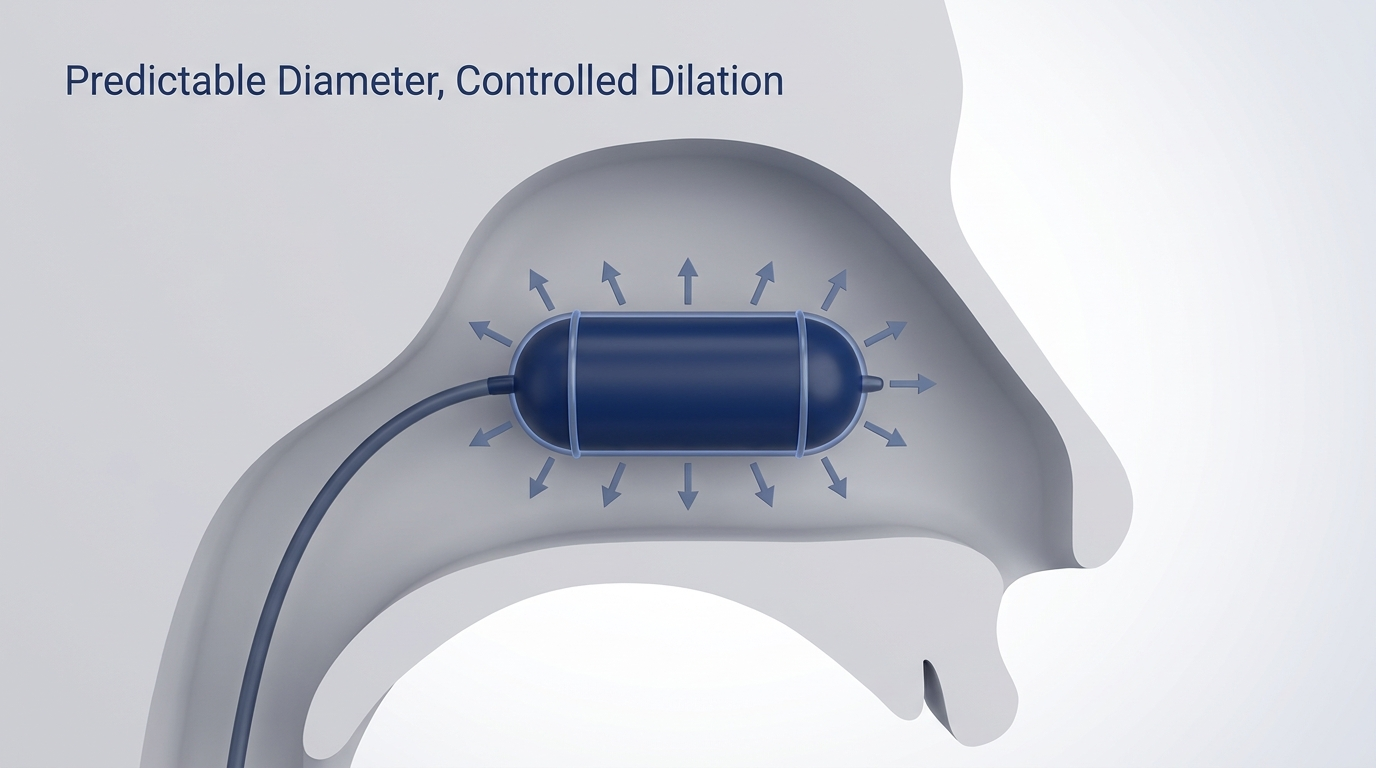
Nasal balloons are used in ENT care for situations that range from controlling severe nosebleeds to supporting minimally invasive sinus procedures. Because these devices sit in a warm, moist area with delicate tissue—and sometimes reach the back of the nasal cavity—sterility is an important safety measure and, in many procedural contexts, a standard requirement.
If you’ve ever had anything placed in your nose (packing, a splint, a balloon), you already understand the basic reality: the tissue can be tender, it can swell, and it can be easy to irritate. Sterility is one of the most controllable ways clinicians lower the chance that a helpful intervention leads to complications.¹³
This article explains, in patient-friendly terms, what sterility means, why sterility in nasal balloons matters, and what patients can look for to feel confident about the care they’re receiving.
What “sterility” means—and why it matters in the nose
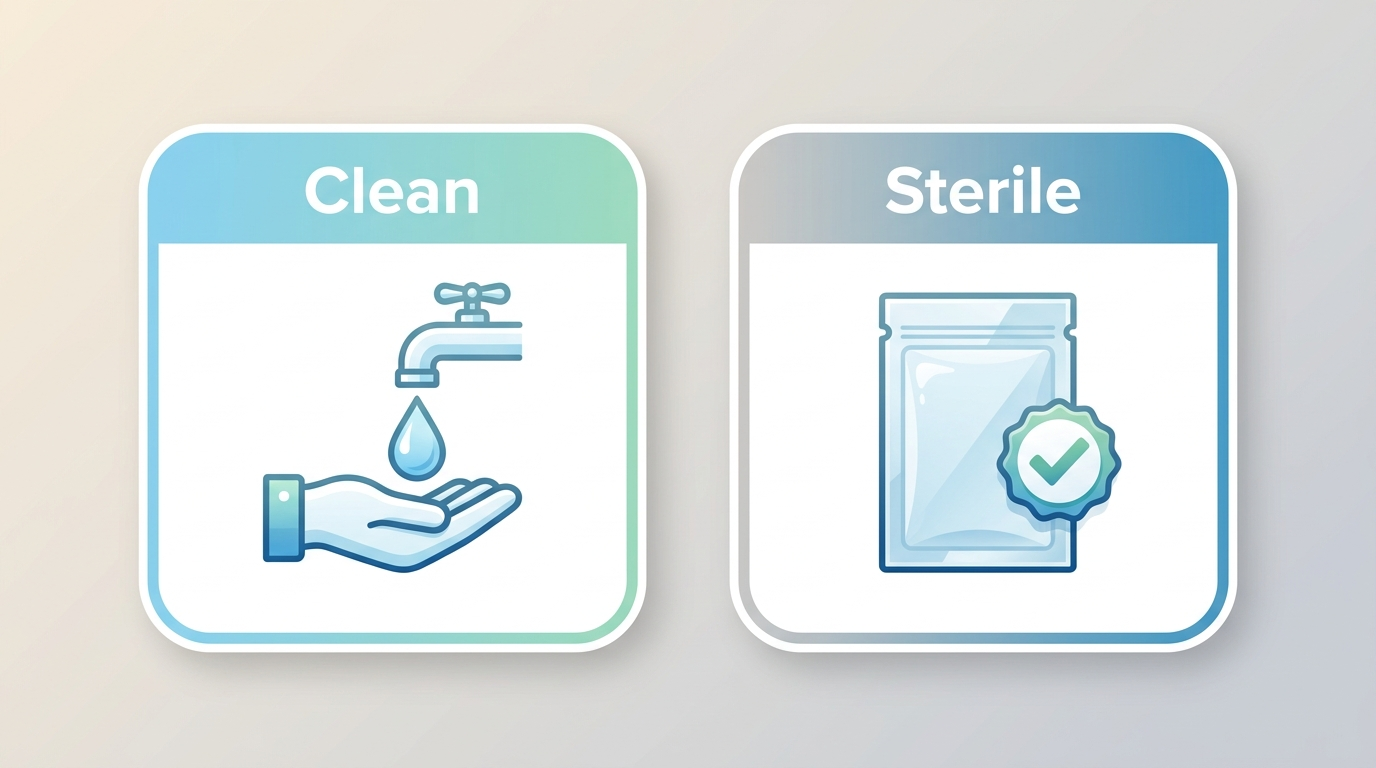
Sterile vs. clean: what patients should know
In healthcare, sterile means free of viable microorganisms (such as bacteria or fungi) on a device or in a fluid used during a procedure. “Clean” may mean something looks tidy or has been wiped down, but it does not guarantee the absence of microorganisms.
A helpful analogy: “clean” is like washing your hands after gardening; “sterile” is like using a sealed, factory-packaged instrument in an operating room. Both are “better than dirty,” but only one is designed to eliminate microbial contamination when required.
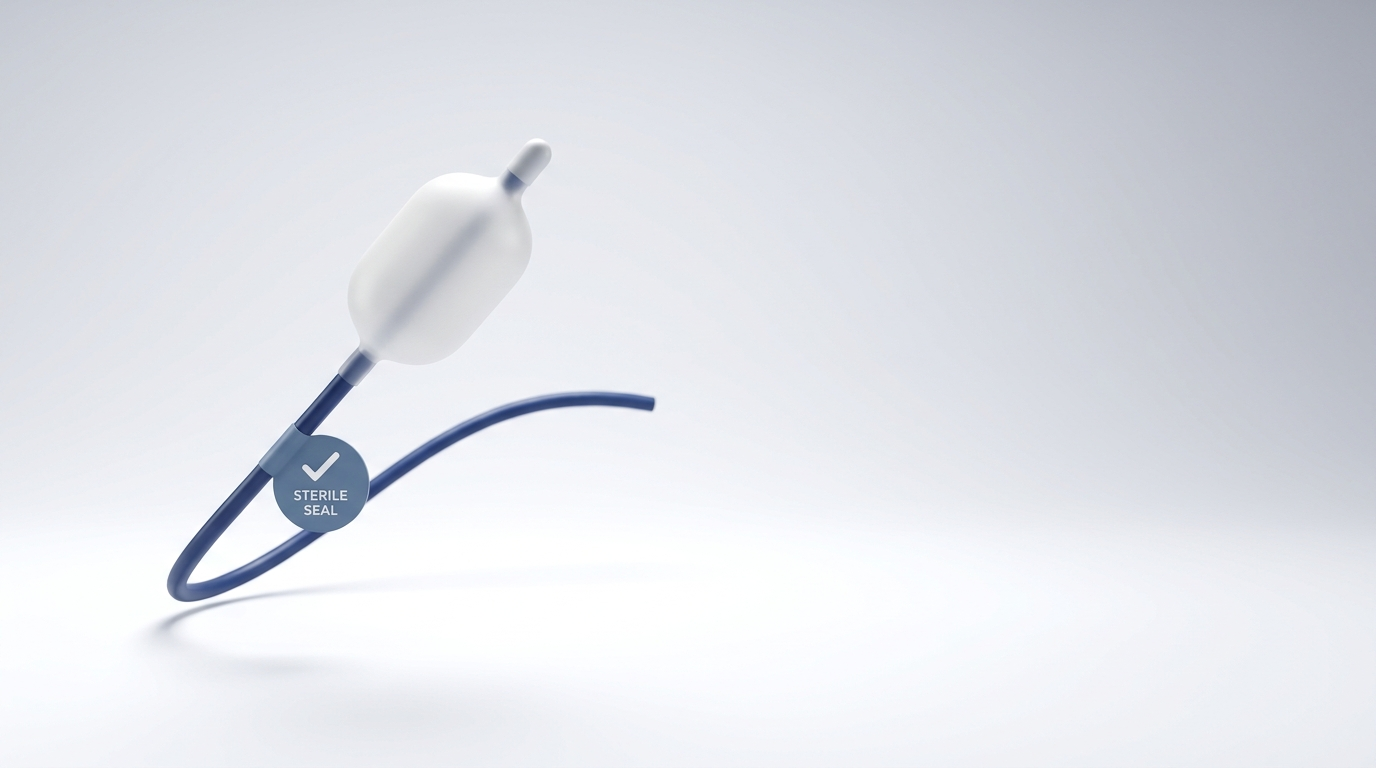
That distinction matters because a nasal balloon may touch tissue that’s already inflamed—or that becomes slightly injured during placement. Even small amounts of contamination can raise the chance of irritation or infection. This is one reason clinicians rely on sterile packaging, sterile handling, and sterile fluids—especially when using a sterile nasal balloon catheter for procedures involving deeper anatomy.¹
The nasal cavity is sensitive—and close to critical structures
The inside of the nose is lined with thin, vascular tissue that can swell or bleed easily. Procedures and packing can disrupt the mucosal lining, creating an opportunity for microorganisms to enter tissue.
The nasal cavity connects with the sinuses and lies near critical structures. Because of this proximity, clinicians take infection prevention seriously.¹²
One clinician-style way of putting it is: “When we place something in the nose, we’re temporarily changing airflow and drainage—so we’re extra careful about what we introduce and how we introduce it.” That carefulness is what sterile technique is built to support.¹²
In short, distinguishing “clean” from “sterile” matters in the nose because even minor mucosal disruption can make contamination more consequential.

When nasal balloons are used in medicine (and where sterility fits in)
Nasal balloons for severe nosebleeds (posterior epistaxis packing)
Most nosebleeds start in the front of the nose, but posterior epistaxis refers to bleeding deeper in the nasal cavity. These bleeds can be heavier, harder to control, and may require specialized packing—sometimes with a balloon that sits back near the nasopharynx (the upper part of the throat behind the nose).¹³
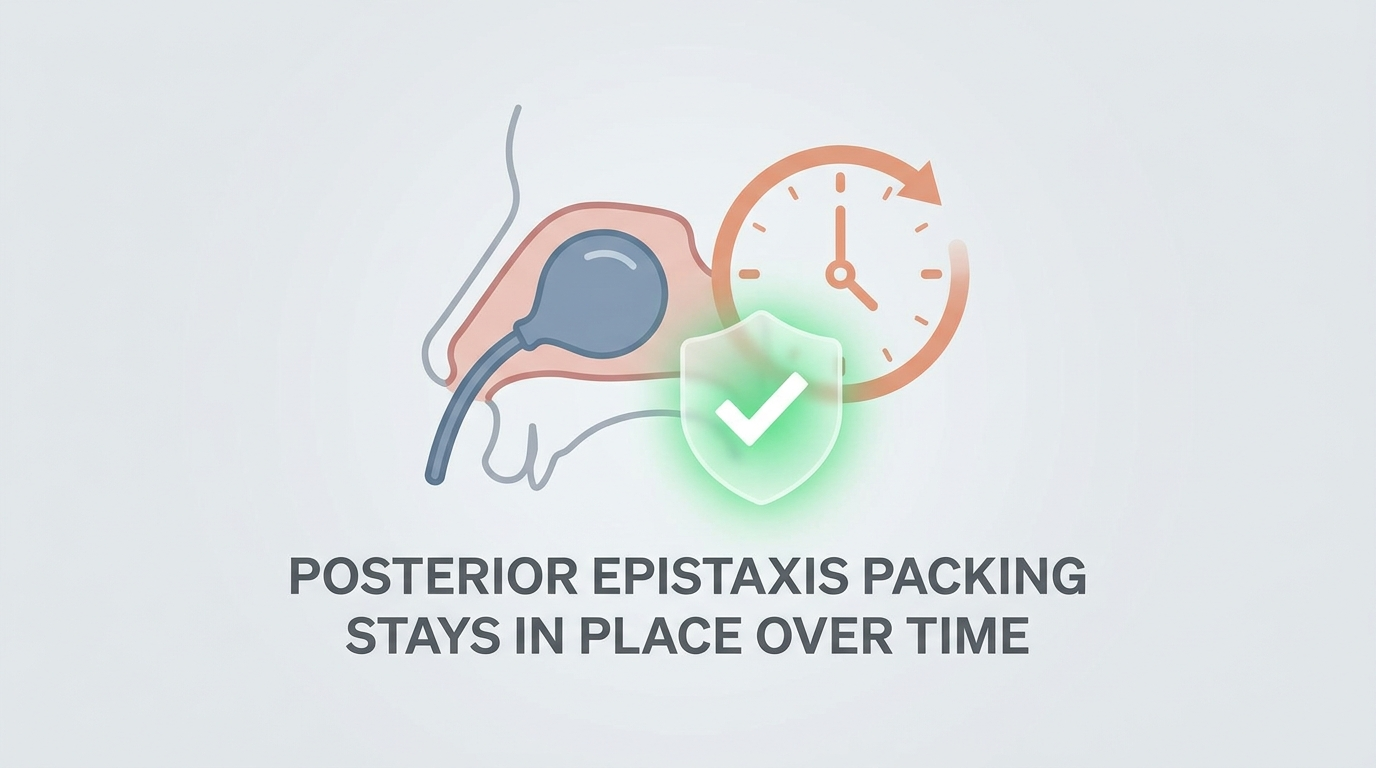
From a patient perspective, posterior packing can feel “more intense” than a simple front-of-nose treatment because it’s deeper and may need to stay in place while the bleeding risk settles. When a device stays in contact with tissue for a period of time, sterile practice becomes even more important—at placement and throughout management and follow-up.¹³
Because the device may sit deep and remain in place for a while, maintaining sterility during posterior epistaxis balloon packing is a key safety focus. Contamination can increase irritation and infection risk, especially when normal airflow and drainage are temporarily altered.¹
Nasal balloons in ENT procedures like balloon sinuplasty
In balloon sinuplasty, a balloon catheter is used to gently widen natural sinus drainage pathways to improve ventilation and drainage. This is done under conditions designed to reduce iatrogenic (care-related) infection risk, including careful handling of instruments and attention to sterile setup.²⁴
If you’d like to understand why sterile handling matters during device placement, this step-by-step overview of how a nasal balloon catheter works can help: see the step-by-step guide to the ClearPath Nasal Balloon (https://www.clearpathnasal.com/blog/how-the-clearpath-nasal-balloon-works-a-step-by-step-guide).
Patients don’t need to memorize every step, but it’s reasonable to expect that procedures involving instruments and deep nasal anatomy are performed with a “sterile mindset”: protected surfaces, controlled handling, and attention to what touches what. That’s why sterile technique during balloon sinuplasty is considered part of standard safe procedural care.²⁴
Whether used for bleeding control or sinus procedures, nasal balloons are typically managed with protocols that prioritize sterility to reduce preventable risk.
The biggest risks sterility helps prevent
Local infections and inflammation (like rhinosinusitis)
Any time the nasal passage is packed or partially blocked, mucus and secretions may not drain as easily. That backup can contribute to sinus pressure, congestion, and inflammation—especially if microorganisms are introduced during placement.
A concrete example: if the nose is partially obstructed, normal clearance mechanisms are less effective. When you pair “reduced drainage” with “added bacteria,” you create a more favorable environment for infection-related inflammation. Sterility helps prevent the second part of that equation.
Using sterile devices, following appropriate placement protocols, and monitoring symptoms all help reduce the risk of infection and complications like rhinosinusitis.¹³ This is one of the practical reasons sterility in nasal balloons matters to patients: it lowers the chance that a short-term treatment becomes a longer-term problem.
Serious systemic infections (rare, but important)
Bacteremia: bacteria entering the bloodstream. This can make someone feel very ill and may require urgent treatment.¹
Toxic Shock Syndrome (TSS): a rare but serious condition that has been reported in association with nasal packing, especially when follow-up or packing management is suboptimal.¹³
These outcomes are uncommon, but they’re why clinicians treat sterile technique and follow-up as essential rather than optional. In practice, that means sterile devices, sterile fluids, thoughtful placement, and clear aftercare instructions.¹³
Preventing the introduction of microorganisms helps reduce both local irritation and rare but serious systemic complications.
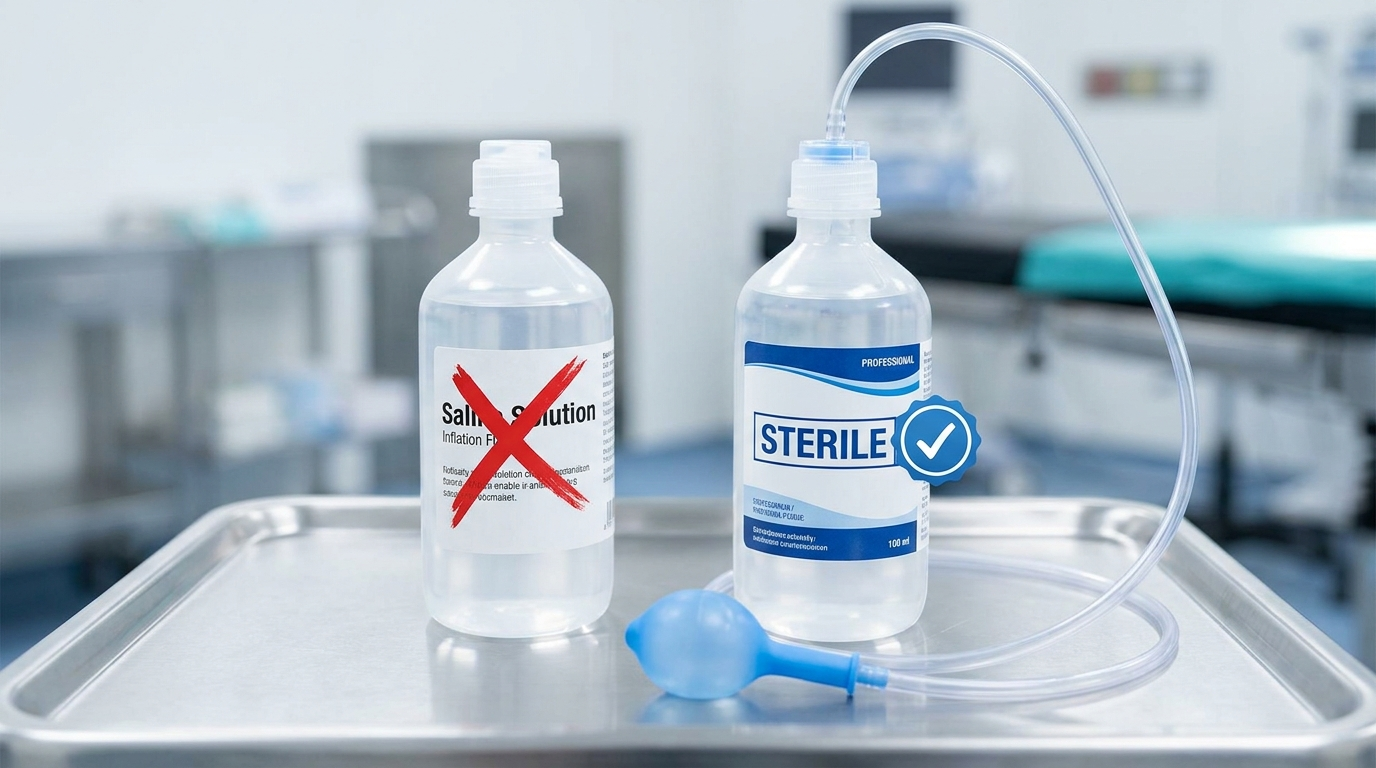
Why sterile inflation fluid matters for posterior nasal balloons
Why sterile water or sterile saline is used
A nasal balloon doesn’t just have to be clean on the outside. The inflation channel (the pathway used to fill the balloon) must also be managed safely, because whatever is used to inflate the balloon can potentially introduce contaminants deeper into the nose and throat area.
For many posterior epistaxis balloon systems, sterile saline or sterile water is recommended or required by instructions for use and clinical protocols.¹ If you are reviewing a specific device, look for the device handling and sterility instructions in the Instructions for Use (https://www.clearpathnasal.com/instructions-for-use).
If you’re wondering why this gets so much emphasis, think of inflation as “sending fluid down a small pathway into the device.” If the fluid isn’t sterile, it can be a direct route for contamination—exactly what sterile technique is designed to avoid.¹
What can happen if non-sterile fluid is used
If non-sterile fluid is used, microorganisms can be introduced into tissue that is already irritated or vulnerable, increasing the chance of infection and inflammation.¹
The reassuring part is that hospitals, surgery centers, and clinics typically have protocols in place—sterile supplies, checklists, and trained staff—to reduce this risk. If you’re ever unsure, it’s appropriate to ask what fluid is being used and whether it’s sterile.
A simple patient-friendly way to ask is: “Just to confirm—are you inflating that with sterile saline or sterile water?”¹
Because the inflation channel communicates with deeper anatomy, inflation fluid sterility is a small step with outsized safety value.

Sterility during balloon sinuplasty: what “sterile technique” looks like
Sterile draping and instrument handling (the basics)
In procedure-based ENT care, sterility often includes: sterile drapes to create a controlled field; sterile instruments and devices opened and handled carefully; steps to avoid cross-contamination between non-sterile surfaces and the procedural area.²⁴
Even if you only see part of the setup, these steps are designed to protect you—not to make the room look more “high-tech.”
If you’re curious what “cross-contamination” means in plain language: it’s the idea that something non-sterile (like a countertop, a phone, or an ungloved hand) shouldn’t touch something that will go into your nose. Good teams build habits and workflows that prevent those mix-ups.²⁴
Why “iatrogenic infection” prevention is a key goal
“Iatrogenic” means “caused by medical care.” While procedures are performed to help symptoms, clinicians also work to reduce avoidable risks.²
This is another reason sterility in nasal balloons is emphasized: it’s one of the most controllable ways to reduce the chance of infection related to procedural care. The goal isn’t only “successful placement”—it’s “successful placement with the lowest reasonable risk.”²
Sterile technique is part of doing procedures well, not just doing them fast.
How patients can recognize safe, sterile care (without needing medical training)
Questions you can ask your clinician
You don’t need clinical expertise to ask simple, practical questions such as:
- “What fluid do you use to inflate the balloon—sterile saline or sterile water?”¹
- “Is this device single-use and packaged sterile?”
- “What steps do you take to reduce infection risk during and after placement?”¹³
If you want to understand handling expectations in more detail, you can review the Instructions for Use (https://www.clearpathnasal.com/instructions-for-use). For a sense of how a protocol-driven visit unfolds, see this minute-by-minute walkthrough of the procedure (https://www.clearpathnasal.com/blog/a-minute-by-minute-walkthrough-of-your-clearpath-nasal-balloon-procedure).
Symptoms after nasal packing or a nasal balloon procedure that should prompt a call
Contact your clinician if you develop fever, worsening facial pain or pressure, foul-smelling nasal drainage, a severe or worsening sore throat, or symptoms that feel like they are rapidly getting worse rather than better.¹³
Seek urgent/emergency care for severe weakness, confusion, a spreading rash, or rapidly worsening symptoms. These aren’t common, but they should be evaluated quickly.¹³
A quick call about new or worsening symptoms is always appropriate after nasal packing or a nasal balloon procedure.
Where ClearPath fits: sterile design + safety context for patients
ClearPath is a nasal balloon device used in ENT care, and—like other nasal balloons—it is intended to be used with appropriate sterile handling. For some patients and procedures, ClearPath may be discussed as an option alongside more traditional approaches (for example, conventional nasal packing strategies). Appropriateness depends on your anatomy, your diagnosis, and your clinician’s judgment. For a broader perspective on safety considerations, see why safety matters in septoplasty (https://www.clearpathnasal.com/blog/why-safety-matters-how-clearpath-reduces-risks-in-septoplasty).
Safety outcomes reported with CNB-assisted septoplasty
In one retrospective analysis of 107 consecutive cases of CNB-assisted septoplasty, the authors reported no major intraoperative or postoperative complications, including no reported infection in the cohort. (Some patients also had objective CT comparisons and symptom surveys for additional outcome tracking.)⁵
Patient-centered results from the same study
- CT-based symmetry improvements of 22% at the nasolacrimal duct (NLD) and 45% at the point of maximal deviation (PMD)⁵
- SNOT-22 symptom improvement of 23.8% at 1 month, with notable gains in congestion, facial pressure, and sleep⁵
- In the severe deviation subgroup, 78% achieved ≥30% improvement in alignment⁵
These study results are specific to the reported cohort and technique; individual outcomes vary based on patient factors and clinical practice.
Device choice and technique are individualized; your ENT can explain which option fits your goals, anatomy, and safety profile.
Key takeaways (quick summary for skimmers)
Sterility protects against avoidable infections. From local inflammation to rare but serious complications, sterile handling helps reduce preventable risk.¹³
Sterile saline/water matters—especially for posterior epistaxis balloons. For many posterior systems, sterile saline or sterile water is recommended or required by device instructions and clinical protocols.¹
Sterile technique is a standard part of safe ENT procedures. Whether packing for bleeding control or sinus procedures, sterility is built into standard practice to help reduce iatrogenic infection risk.²⁴
Small, consistent sterile steps add up to meaningful safety.
Call to action
If you have questions about available options, ask a qualified ENT clinician which approach may be appropriate for your situation—and how sterile technique is used to reduce infection risk. For more background on device setup and handling, see the Instructions for Use (https://www.clearpathnasal.com/instructions-for-use).
Educational content only; not medical advice. Always follow your clinician’s guidance for your specific situation.
This article is for educational purposes only and is not medical advice. Please consult a qualified healthcare provider for diagnosis and treatment.
References
1. StatPearls. Posterior Epistaxis Nasal Pack. 2023. https://www.ncbi.nlm.nih.gov/books/NBK576436/
2. StatPearls. Balloon Sinuplasty. 2023. https://www.ncbi.nlm.nih.gov/books/NBK546671/
3. OAEM. Nasal Packing in the Emergency Department: A Practical Review for Emergency Providers. 2021. https://www.dovepress.com/nasal-packing-in-the-emergency-department-a-practical-review-for-emerg-peer-reviewed-fulltext-article-OAEM
4. Cleveland Clinic. Balloon Sinuplasty. 2024. https://my.clevelandclinic.org/health/treatments/21977-balloon-sinuplasty
5. Dillard J, Koudouovoh C, Lee V, et al. Outcomes of force-directed balloon-assisted endoscopic septoplasty: a retrospective analysis with a new technique and device. Rhinology Online. 2026;9:18–23. doi:10.4193/RHINOL/25.018

Dr. David G. Dillard
Author
Share it with others!