What Is Balloon-Assisted Septoplasty? Benefits & Recovery
What Is a Deviated Septum?
Inside your nose, there’s a thin wall made of cartilage and bone that divides the left and right nostrils. That wall is called the nasal septum. If it’s shifted to one side—like a slightly crooked divider—it’s called a deviated septum, and it can narrow one nasal passage and make breathing feel harder.
Many people describe it as “one side is always clogged,” especially at night or during exercise. Others notice they can breathe through one nostril, but the other feels tight—like trying to sip air through a partially pinched straw.

What Is Balloon-Assisted Septoplasty?
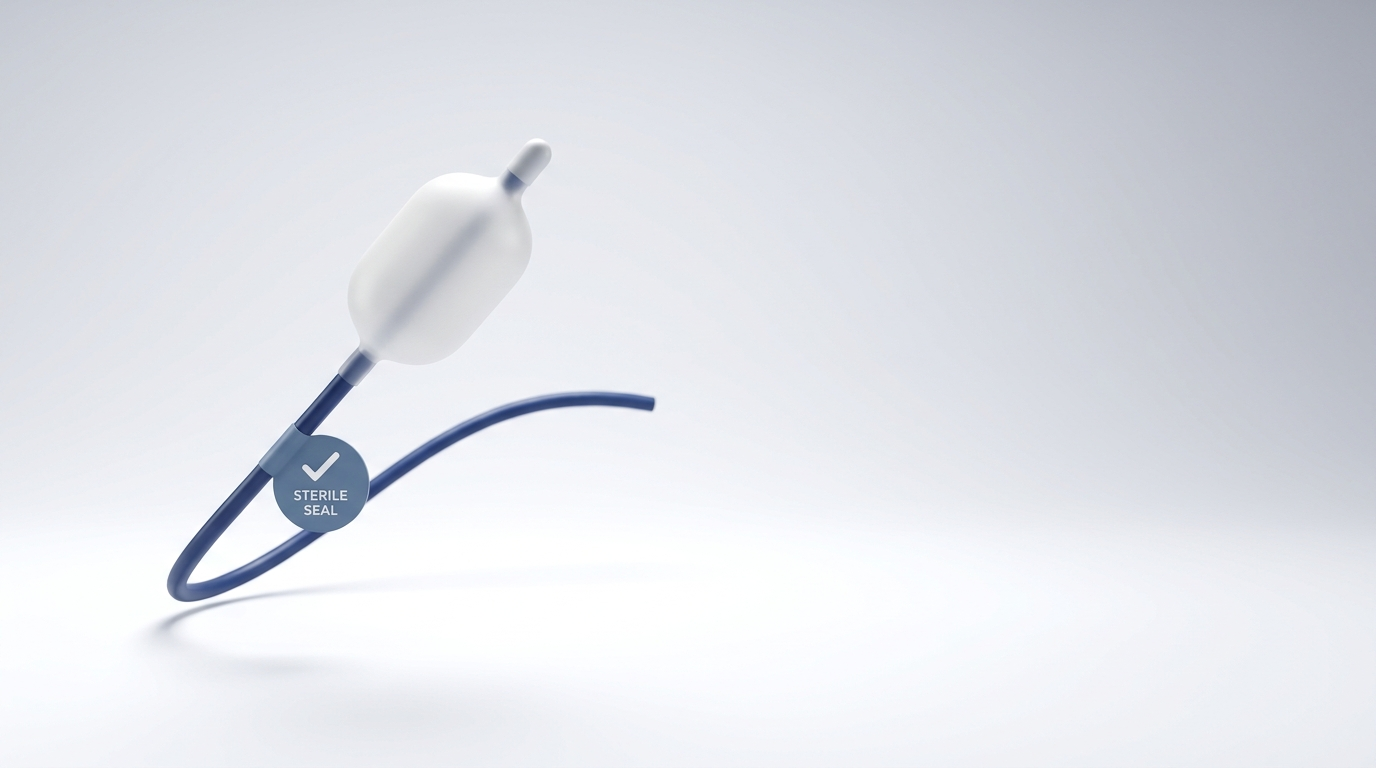
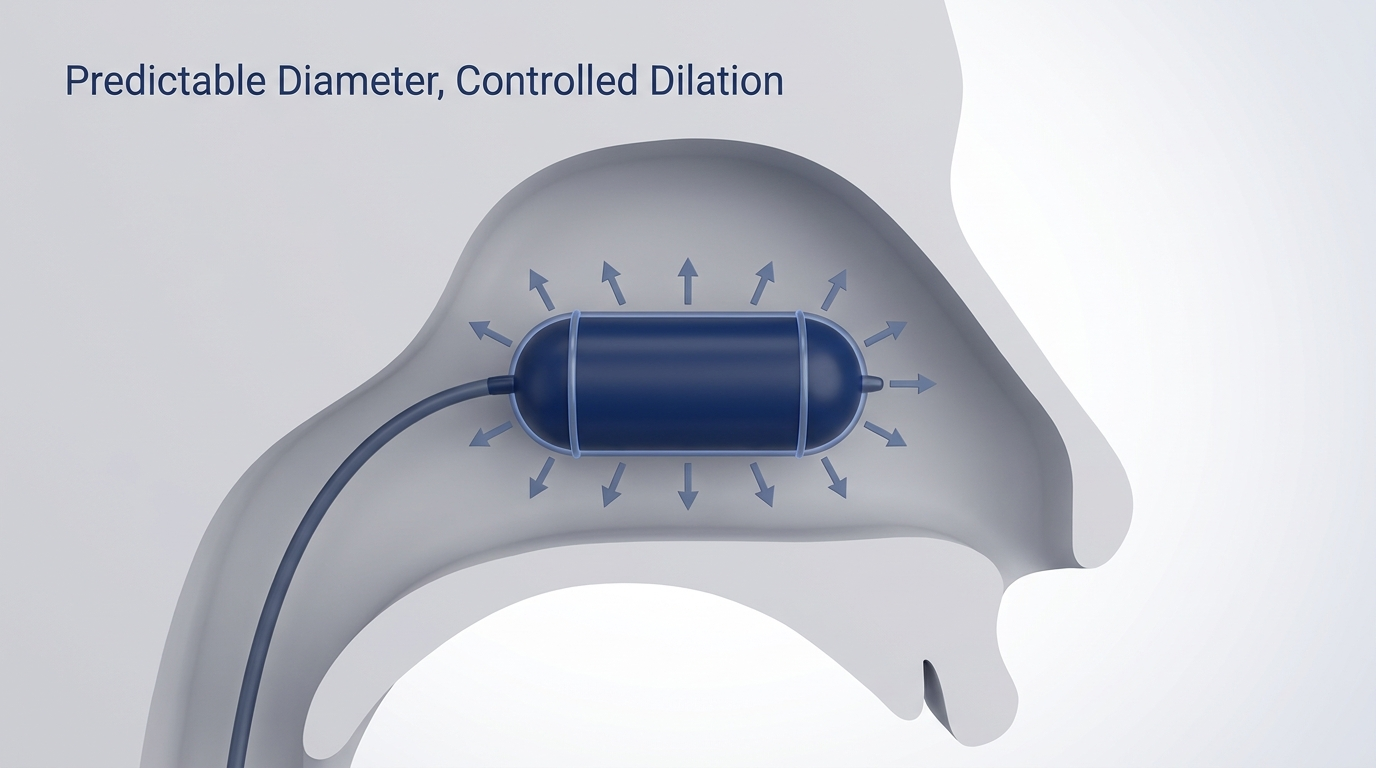
Balloon-assisted septoplasty is a minimally invasive technique that uses a small inflatable balloon to gently help reposition certain septal deviations. Instead of relying mainly on broad cutting, stitching, and reshaping, a balloon-based catheter applies controlled pressure to separate and realign septal tissues in selected patients. In a retrospective cohort using a device-based balloon-assisted technique, authors reported measurable alignment changes and symptom improvement (Rhinology Online, 2026; PMC, 2022).
Balloon-Assisted vs. Traditional Septoplasty—What’s Different?
Traditional septoplasty often involves lifting the lining over the septum, modifying cartilage/bone, and sometimes placing sutures or splints (details vary by surgeon and anatomy). It can be very effective, but it is still surgery with tissue manipulation.
Balloon-assisted approaches aim to achieve improvement with less extensive flap dissection in selected cases. Rather than opening up a large area to reshape the septum, the balloon focuses on targeted, evenly distributed pressure where alignment is most obstructive.
That minimally invasive concept matters because less dissection may reduce some sources of postoperative discomfort and certain risks associated with tissue lifting and manipulation in appropriately selected patients (Rhinology Online, 2026; PMC, 2022). Patient-style takeaway: The goal is still better airflow—just potentially with a lighter-touch method in the right anatomy.

Why Do People Need Septoplasty in the First Place?
Common Symptoms of a Deviated Septum
A deviated septum can cause symptoms that range from mildly annoying to significantly disruptive. People commonly seek evaluation for nasal blockage or congestion (often worse on one side); trouble sleeping, snoring, or waking with a dry mouth from mouth breathing; facial pressure or headaches (when related to nasal obstruction or contact points); and reduced exercise tolerance or feeling out of air during activity. Real-life patterns include breathing fine while upright but one side shutting down when lying down, or chronic congestion not improved by allergy medication. These symptoms can have multiple causes, so the goal of an ENT visit is to identify what’s actually driving the obstruction (septum, turbinates, allergies, sinus issues, or a combination). For background: https://www.clearpathnasal.com/blog/deviated-septum-explained-symptoms-causes-and-modern-treatment-options
Getting Evaluated (What Patients Can Expect)
A typical workup may include a focused symptom history; an in-office nasal exam; nasal endoscopy when appropriate (a small camera to evaluate internal anatomy); and imaging such as CT in selected cases, especially if sinus anatomy needs assessment or symptoms suggest additional issues beyond the septum (PMC, 2022). Many clinicians also look for stacked causes of blockage—like a deviated septum plus turbinate swelling—so the plan targets the true bottleneck(s). In short: You and your ENT are trying to pinpoint what’s truly blocking airflow so treatment targets the right problem.

How Does Balloon-Assisted Septoplasty Work? (Step-by-Step)
Before the Procedure
Balloon-assisted septoplasty may be performed in an office-based setting or in an operating room depending on your anatomy, comfort, and your surgeon’s recommendation. Your clinician will also review anesthesia options—ranging from local numbing to sedation—based on what’s appropriate. You can expect a discussion of goals and tradeoffs, including realistic improvement and whether other contributors (like turbinates) need attention, and whether a balloon-assisted option fits the type and location of your deviation.
During the Procedure (High-Level Walkthrough)
1) A slender balloon catheter is positioned along the deviated portion of the septum. 2) The balloon is inflated to apply controlled, even pressure. 3) The goal is to improve septal alignment and widen the nasal breathing corridor without relying on extensive cutting and stitching in selected cases (Rhinology Online, 2026). Some describe it simply as using controlled force to create space and better alignment, instead of broad tissue elevation (Rhinology Online, 2026; PMC, 2022). For a detailed walk-through: https://www.clearpathnasal.com/blog/how-the-clearpath-nasal-balloon-works-a-step-by-step-guide
After the Procedure
Temporary swelling and congestion are common as the nose settles. Follow-up helps your ENT check healing, address crusting or inflammation if present, and track symptom changes. Many practices use symptom questionnaires (for example, SNOT-22) to quantify improvement. Bottom line: For appropriately selected patients, a balloon-based approach may help widen the nasal passage with limited tissue dissection.
What Does the Research Say? (Outcomes Patients Care About)
Measurable Septal Straightening on CT Imaging
In a retrospective analysis of a balloon-assisted endoscopic technique (107 consecutive cases), the subgroup with both pre- and post-procedure CT scans showed average improvements in septal symmetry of about 22% near the nasolacrimal duct and 45% at the point of maximal deviation (Dillard et al., Rhinology Online, 2026). In plain terms: the septum became more centered where it mattered most for obstruction, especially at the tightest area.
Symptom Change (Breathing, Sleep, Pressure)
In the same publication, SNOT-22 scores improved from 58.7 to 44.8 at one month—about a 23.8% reduction. The largest improvements were in nasal congestion, sleep quality, and facial pressure/headache (Dillard et al., 2026). These are study-specific findings and do not predict individual results; one-month data may not capture longer-term outcomes.
Who May See Proportionally Larger Changes?
Patients with more severe deviation (>10 mm) experienced larger proportional corrections; in the severe subgroup, 78% (18/23) achieved at least 30% alignment improvement (Dillard et al., 2026). Candidacy and results vary.
Takeaway
Early results are encouraging in selected patients but are limited to the reported cohort and may not apply to all patients or surgeons.
Safety and Potential Benefits Compared With Traditional Septoplasty
Why Minimally Invasive May Matter
A proposed advantage of balloon-assisted approaches is the potential to reduce morbidity by limiting extensive flap dissection in selected cases. Patients often ask about soreness, packing/splints, and return to normal activities. Less dissection may be associated with a smoother recovery for some patients when appropriate (Rhinology Online, 2026; PMC, 2022). Practical overview: https://www.clearpathnasal.com/blog/clearpath-vs-traditional-septoplasty-recovery-safety-results
Complications—What Was Reported?
In the 2026 retrospective cohort, the authors reported no major intraoperative or postoperative complications (such as septal perforation, hematoma, mucosal injury, infection, synechia, or conversion to traditional septoplasty) (Dillard et al., Rhinology Online, 2026). Findings are cohort-specific and do not guarantee similar results for every setting.
Regulatory Note
The device described has FDA 510(k) clearance for its cleared indication. Clearance does not guarantee outcomes for every patient or every possible use (FDA 510(k) K183090, 2018).
Bottom Line
Balloon-assisted methods may offer a less invasive pathway for some patients, but safety and recovery depend on individual anatomy, technique, and whether other procedures are performed at the same time.

Recovery: What to Expect After Balloon-Assisted Septoplasty
Recovery commonly includes a short period of congestion and swelling. Many patients explore balloon-assisted options because they’re interested in a potentially faster return to routine compared with more invasive approaches, but experiences differ based on anatomy, technique, and any additional procedures (Rhinology Online, 2026; PMC, 2022). A practical expectation: even when alignment is improved, the nose needs time to reduce postoperative swelling, and airflow can fluctuate early on.
Practical tips (follow your surgeon’s instructions): sleeping with your head elevated may help; use saline rinses only if recommended and exactly as directed; avoid strenuous exercise briefly to reduce bleeding risk; and use comfort measures or medications as advised. Contact your team promptly for heavy bleeding, fever, worsening pain, increasing one-sided swelling, or symptoms that feel suddenly worse instead of gradually improving. Most people notice more consistent benefits as swelling settles, but timelines vary.
Balloon-Assisted Septoplasty Isn’t Only for Breathing—It Can Help Surgeons Reach Other Areas
Expanding Access During Skull-Base Surgery
Balloon-assisted nasal access has also been discussed to widen the nasal corridor during certain skull-base procedures (for example, transsphenoidal pituitary approaches), potentially improving instrument maneuverability while avoiding some of the tissue trauma of a full septoplasty in selected situations (PMC, 2022). Learn more: https://www.clearpathnasal.com/blog/balloon-septoplasty-for-sinus-skull-base-access-new-frontiers
Why This Matters to Patients
If you’re facing a complex procedure that requires nasal access, approaches that reduce nasal trauma while still allowing adequate exposure may support a smoother overall experience—when appropriate for your anatomy and plan. Key point: in select complex surgeries, minimizing nasal trauma can be important.

Am I a Good Candidate for Balloon-Assisted Septoplasty?
Patients Who May Be Good Candidates
You may be a candidate if your main complaint is nasal obstruction linked to septal deviation; your deviation’s type and location appear amenable to balloon-based correction (your ENT determines this); you prefer an approach that may avoid extensive cutting and stitching when appropriate; and you want to consider less invasive options. Next step: https://www.clearpathnasal.com/blog/best-candidates-for-balloon-septoplasty-with-clearpath
When Traditional Septoplasty (or Other Procedures) Might Still Be Needed
Traditional septoplasty or additional procedures may be recommended for more complex deformities; prior nasal surgeries with scar tissue or altered anatomy; significant structural concerns requiring more extensive correction; or situations needing turbinate or sinus procedures in combination (PMC, 2022). If a traditional approach is recommended, it usually reflects anatomy and goals—not that balloon methods don’t work.
Takeaway
Eligibility is individualized. Your surgeon’s exam and goals-of-care discussion guide the choice.
Questions to Ask Your ENT Surgeon
Is my blockage mainly from septal deviation, turbinate swelling, or both; would a balloon-assisted septoplasty work for my deviation type and location; will this be in-office or in the OR and why; what improvements should I realistically expect (breathing, sleep, pressure); what are the risks in my specific case and what does follow-up look like; do you offer balloon-assisted options and am I a candidate?
Conclusion: The Takeaway on Balloon-Assisted Septoplasty
Balloon-assisted septoplasty is a minimally invasive approach that may improve septal alignment and symptoms for selected patients. In one retrospective cohort using a device-based technique, authors reported average symmetry improvements on CT (including about 45% at the point of maximal deviation) and a one-month SNOT-22 reduction of approximately 23.8%, with no major complications reported in that cohort (Dillard et al., Rhinology Online, 2026). These findings are specific to the reported population and technique and may not apply to all patients.
If you suspect a deviated septum is affecting your breathing or sleep, an ENT evaluation can clarify what’s causing the blockage and whether a balloon-assisted approach fits your anatomy and goals. Bottom line: it’s one potential option in selected cases—your ENT can help you weigh benefits, risks, and alternatives.
References
Dillard J, Koudouovoh C, Lee V, et al. Outcomes of force-directed balloon-assisted endoscopic septoplasty: a retrospective analysis with a new technique and device. Rhinology Online. 2026;9:18–23. https://www.rhinologyonline.org/Rhinology_online_issues/manuscript_2530.pdf
PubMed Central (PMC). Balloon-assisted nasal access / septoplasty-related skull-base access discussion. 2022. https://pmc.ncbi.nlm.nih.gov/articles/PMC9451052/
FDA. 510(k) Premarket Notification (K183090). 2018. https://www.accessdata.fda.gov/scripts/cdrh/cfdocs/cfpmn/pmn.cfm?id=K183090
This article is for educational purposes only and is not medical advice. Please consult a qualified healthcare provider for diagnosis and treatment.

Dr. David G. Dillard
Author
Share it with others!