
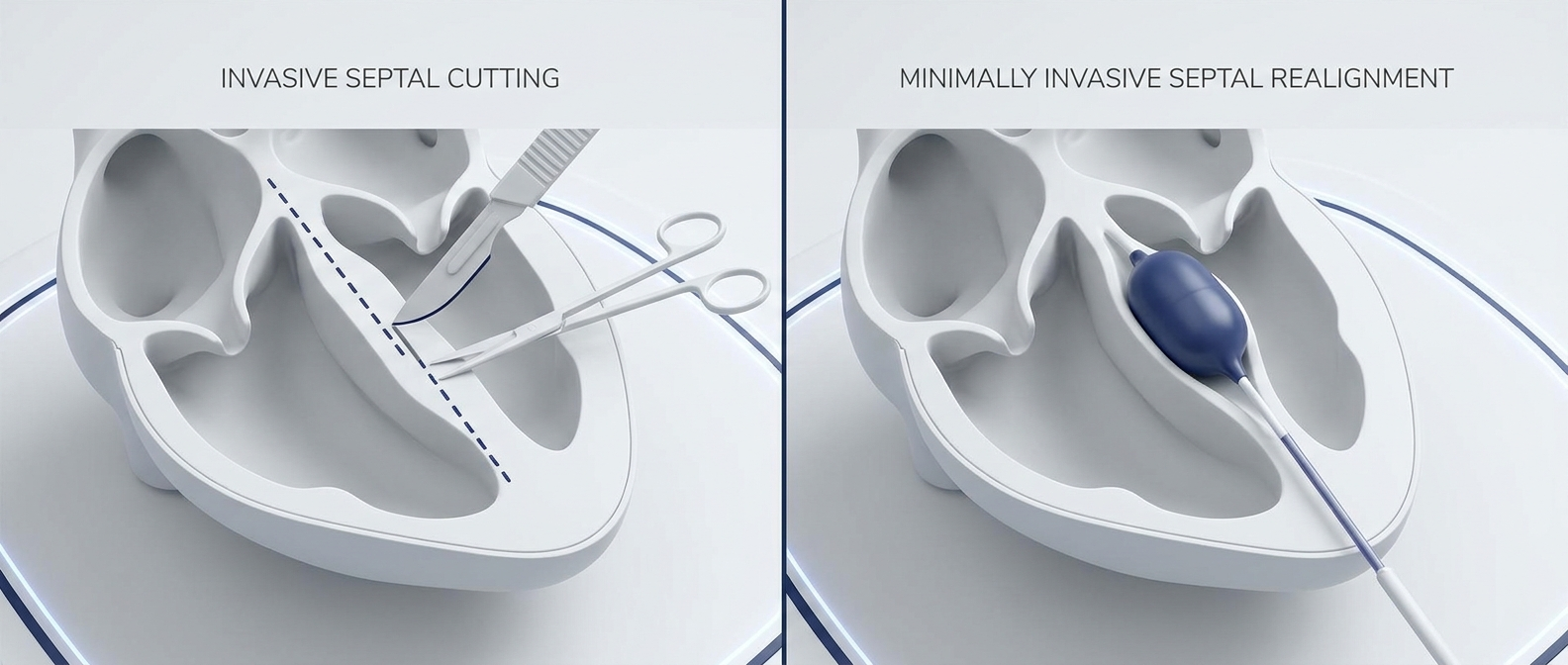
Minimally Invasive vs. Invasive: Where ClearPath Fits
When people hear “septoplasty,” they often picture surgery—an operating room, general anesthesia, and a recovery period that disrupts daily life. That picture is still accurate for many patients. But “septum correction” now spans a spectrum, from more invasive approaches to minimally invasive options.
In everyday terms, invasive usually means “more cutting and tissue disruption,” while minimally invasive means “less disruption to the body to accomplish the goal.” For patients, that distinction can affect pain, downtime, anesthesia needs, risk profile, and time away from work or family routines.
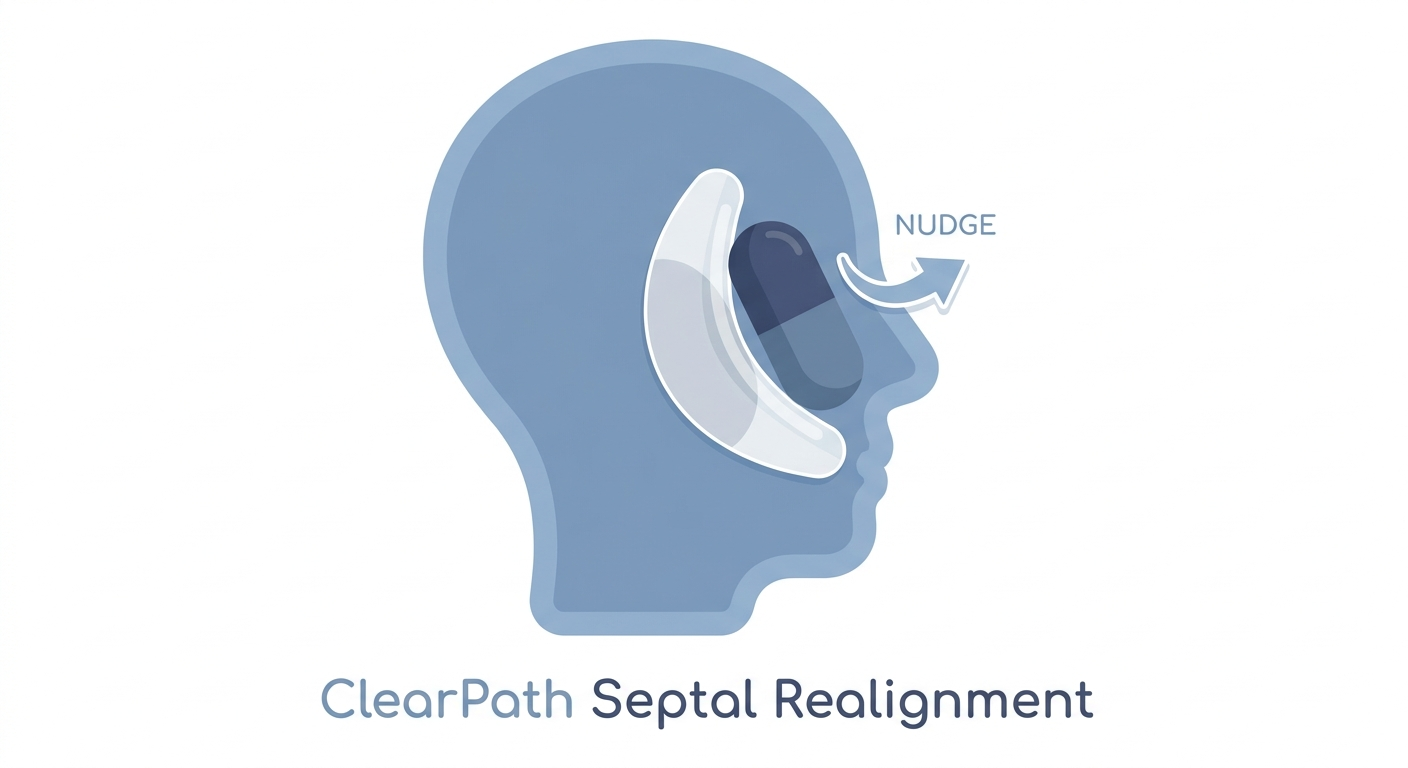
ClearPath is one example of this broader medical shift toward tissue-preserving approaches. Instead of cutting or removing tissue to create space, the ClearPath Nasal Balloon System (a device) is designed to help realign certain septal deviations in appropriate patients using a balloon-based method. For a general explainer of balloon-based approaches, see what is balloon septoplasty? https://www.clearpathnasal.com/blog/what-is-balloon-septoplasty-a-minimally-invasive-option-for-deviated-septum
In short: minimally invasive options aim to achieve the goal with less tissue disruption, which may translate to an easier overall experience for some patients.
What “Invasive” vs. “Minimally Invasive” Really Means (Patient-Friendly)
Invasive procedures: what usually makes something “invasive”
- Incisions and cutting to access internal structures
- Removing or reshaping tissue (such as cartilage and/or bone)
- A higher likelihood of packing or splints depending on technique and anatomy
- A greater chance it’s done in an operating room setting and/or with general anesthesia
“Invasive” isn’t a judgment—it simply describes the tools and intensity needed for certain problems. If your septal deviation is complicated, a more invasive approach may be exactly what’s safest and most effective.
Minimally invasive procedures: what’s different
- Smaller entry points—or no traditional incisions
- More tissue preservation (less cutting or removal)
- May be associated with less swelling and discomfort for some patients
- In many cases, the potential for office-based care for appropriate candidates
A helpful analogy
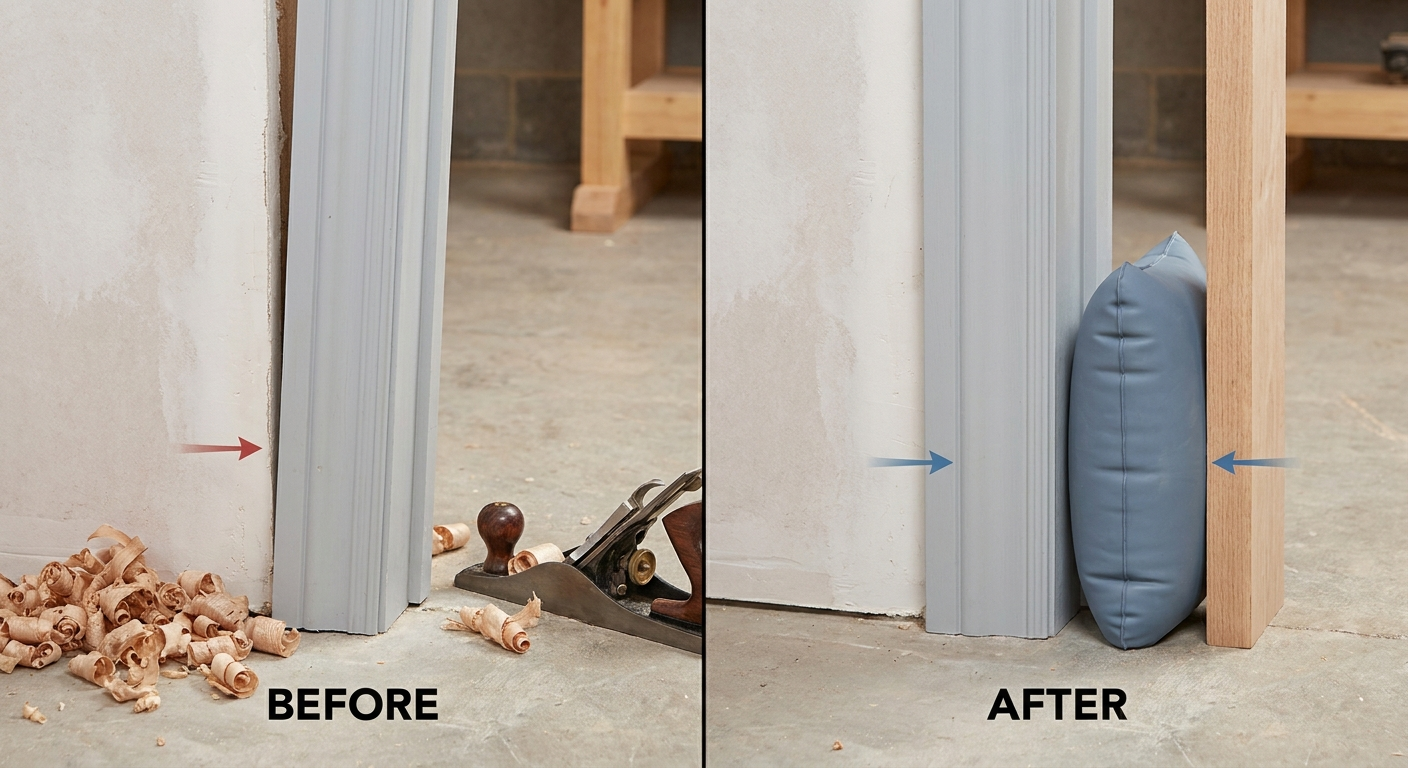
Invasive septoplasty can be like “rebuilding a crooked doorway by trimming and reshaping the frame.” Minimally invasive septal realignment aims to be more like “nudging the frame back toward center” in select situations—preserving more original structure when appropriate.
Bottom line
Minimally invasive approaches may reduce recovery burden in some cases, but the right technique depends on your anatomy and goals.
Traditional Septoplasty (Invasive): What Patients Typically Expect
What traditional septoplasty does
Traditional septoplasty is designed to correct a deviated septum to improve airflow. In many cases, that involves making an internal incision and then adjusting, trimming, or removing portions of cartilage and/or bone that contribute to obstruction. The goal is functional: improve breathing by addressing a structural blockage.
Common patient concerns with invasive septoplasty
- Anesthesia: General anesthesia is commonly used in some settings, though anesthesia approaches vary.
- Packing/splints: Some techniques and anatomy may require them, which can add to discomfort.
- Recovery: Swelling, congestion, activity limits, and time away from normal routines are common concerns.
One practical concern comes up repeatedly: timing. People worry about planning around work, caregiving, travel, or simply not wanting “weeks of feeling stuffed up.” If you’ve been putting off care due to these worries, you’re not alone—and it’s one reason interest in minimally invasive options has grown.
When traditional septoplasty may still be necessary
- The deviation is complex
- There are revision needs after prior procedures
- Additional structural work is required alongside septal correction
Your ENT’s exam (and sometimes imaging) helps determine which approach is realistic and safest. As some clinicians put it, the technique should match the anatomy.
Takeaway
Traditional septoplasty remains the right choice for certain anatomies, especially when significant structural work is needed.

Where ClearPath Fits: A Minimally Invasive Alternative for Septal Realignment
ClearPath in one sentence
ClearPath (a device) is designed to help realign certain septal deviations in appropriate patients using a balloon-based method that may avoid traditional incisions or tissue removal in appropriate use cases. Sources: https://www.clearpathnasal.com/ and https://sleepandsinuscenters.com/blog/balloon-septoplasty-with-clearpath-a-less-invasive-fix-for-a-deviated-septum
Non-incisional realignment (how it differs from cutting)
In a traditional pathway, “making space” often involves modifying tissue. In contrast, balloon septoplasty with the ClearPath Nasal Balloon System is intended to support septal realignment using a balloon—rather than cutting away cartilage or bone. Conceptually, it’s closer to “repositioning” than “removing.” That distinction matters to patients who want to understand what will (and won’t) be changed inside the nose.
Why “minimally invasive” can mean an easier recovery for some patients
While experiences vary, minimally invasive approaches often aim to reduce the things patients find hardest—like extensive swelling or the discomfort associated with packing. In a ClearPath-focused balloon septoplasty approach, patients may experience little to no nasal packing in some cases, which can make the immediate post-procedure period feel more manageable for some people. Source: https://sleepandsinuscenters.com/blog/balloon-septoplasty-with-clearpath-a-less-invasive-fix-for-a-deviated-septum
Accessibility: anesthesia and setting considerations
Because the approach is minimally invasive, ClearPath treatment may be performed without general anesthesia in some cases, depending on the patient and provider protocol. It may also be suitable for office-based procedures in selected patients. For a patient-friendly expectations guide, see the minute-by-minute walkthrough: https://www.clearpathnasal.com/blog/a-minute-by-minute-walkthrough-of-your-clearpath-nasal-balloon-procedure
In practice
Minimally invasive approaches like ClearPath may simplify logistics for some patients, but your care plan should be individualized.
ClearPath vs. Traditional Septoplasty (Side-by-Side for Patients)
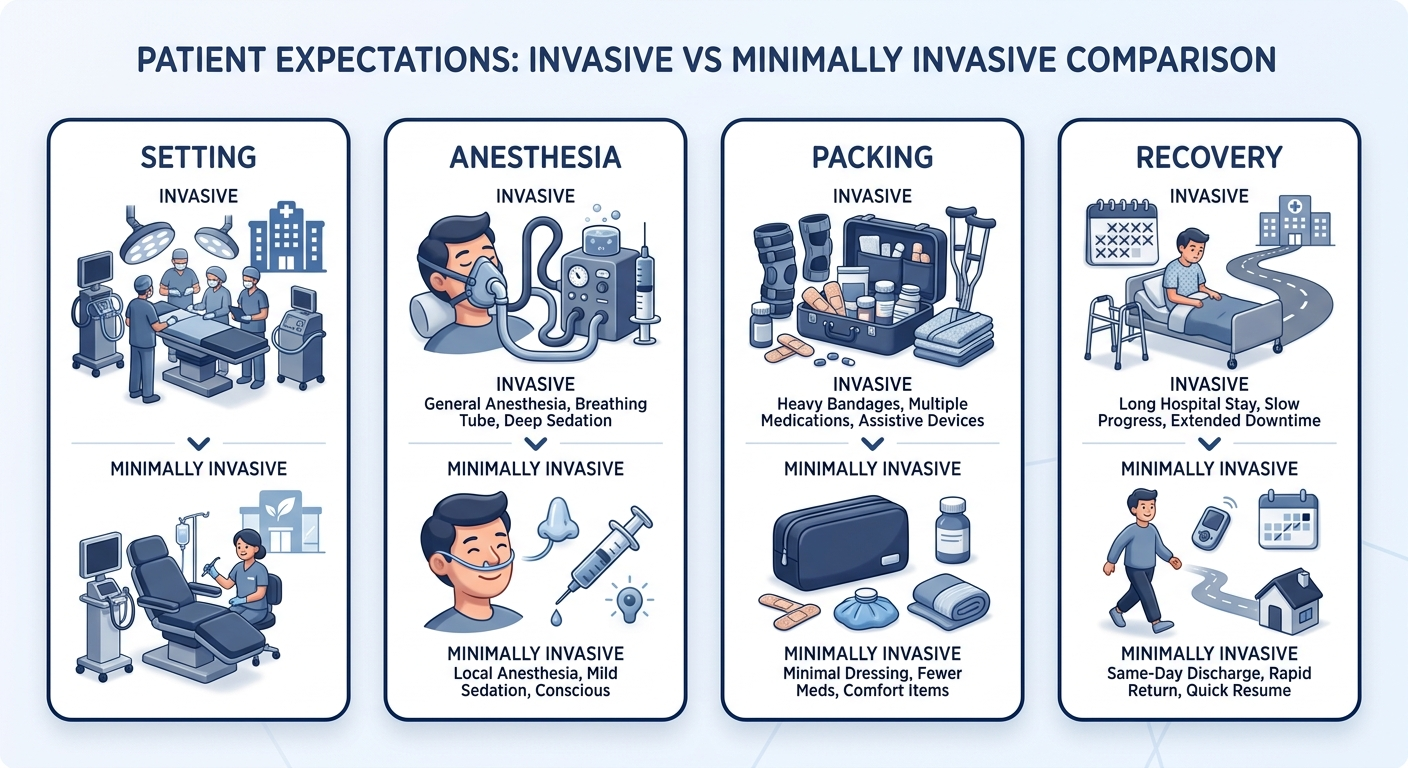
Below is a simplified comparison. Your real plan depends on anatomy, goals, and your ENT’s assessment. For a deeper dive: https://www.clearpathnasal.com/blog/clearpath-vs-traditional-septoplasty-recovery-safety-results
Approach
Traditional: Internal incision; septum correction often includes trimming/removing tissue as needed.
ClearPath: Balloon-assisted septal realignment that may avoid traditional incisions or tissue removal for appropriate candidates.
Setting
Traditional: Frequently performed in an operating room.
ClearPath: May be performed in an office-based setting for selected patients.
Anesthesia
Traditional: General anesthesia is commonly used in some settings; approaches vary.
ClearPath: May be performed without general anesthesia depending on the case and provider protocol.
Packing/splints
Traditional: Packing or splints can be used in some cases.
ClearPath: May involve little to no packing in some cases (varies by patient and technique).
Recovery goal
Traditional: Effective correction, but recovery may be more involved.
ClearPath: Designed to reduce disruption; recovery burden may be lower for some patients.
Best fit
Traditional: Complex anatomy, revisions, or combined structural needs.
ClearPath: Select deviations where realignment with a nasal balloon catheter is appropriate.
Risks and complications (patient-friendly)
All medical procedures carry risks, even minimally invasive ones. The right question to ask is: what are the risks for my anatomy and health history, and how often do complications occur with this approach?
Summary
Both paths can be effective; the safest option is the one that matches your anatomy and treatment goals.
What the Research Says About Outcomes With CNB-Assisted Septoplasty (ClearPath)
This section translates published data into plain language. Here, “CNB” refers to the ClearPath Nasal Balloon (CNB) used to assist septal realignment.
Study size and how outcomes were measured
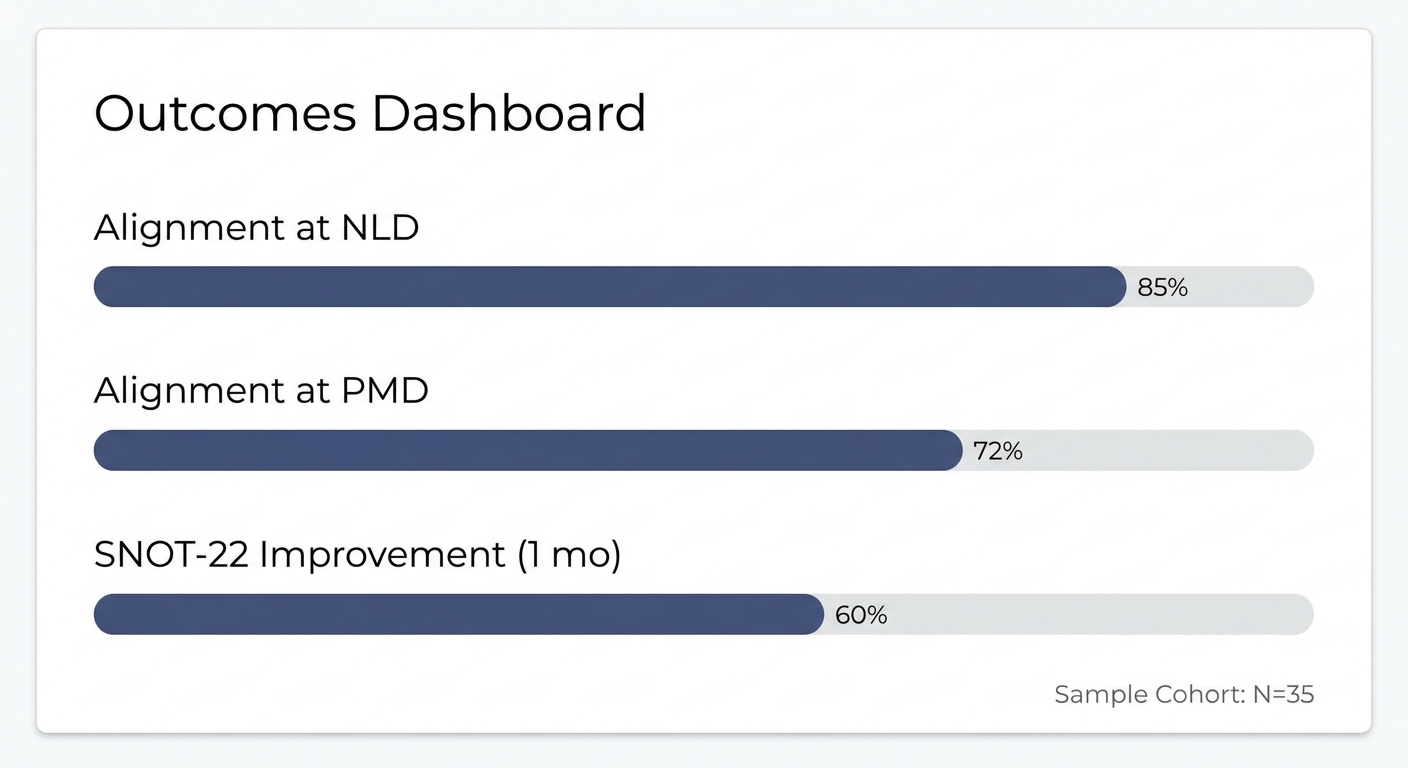
In one retrospective cohort, the authors reviewed 107 consecutive cases of CNB-assisted septoplasty. Outcomes included 23 patients with pre- and post-procedure CT scans (objective measurement) and 43 patients with SNOT-22 surveys (symptom scores). Citation: Dillard et al., 2026 (Rhinology Online). doi:10.4193/RHINOL/25.018
Objective improvement on CT imaging (alignment)
Average septal symmetry improvements reported: 22% at the nasolacrimal duct (NLD) and 45% at the point of maximal deviation (PMD). Both improvements were statistically significant. Citation: Dillard et al., 2026. doi:10.4193/RHINOL/25.018
Patient-reported symptom improvement (SNOT-22)
In the SNOT-22 subgroup, scores improved from 58.7 to 44.8 at one month (a 23.8% reduction). The largest gains were in nasal congestion, headache/facial pressure, and sleep quality. Citation: Dillard et al., 2026. doi:10.4193/RHINOL/25.018
Safety signals in this cohort
No major intraoperative or postoperative complications were reported in this cohort, including no septal perforation, hematoma, mucosal injury, infection, synechiae, or conversion to traditional septoplasty. No medical procedure is risk-free, and results may not apply to all patients. Citation: Dillard et al., 2026. doi:10.4193/RHINOL/25.018
Who seemed to benefit most (severity)
Patients with more severe baseline deviations (>10 mm) showed the biggest proportional correction. In the CT subgroup, 78% (18/23) achieved at least a 30% alignment improvement. Citation: Dillard et al., 2026. doi:10.4193/RHINOL/25.018
Interpretation
These findings suggest many patients in one cohort experienced measurable straightening plus symptom relief, but candidacy and individual outcomes vary.
Is ClearPath Right for You? (Simple Decision Guide)
Signs a deviated septum may be affecting your life
- Ongoing nasal blockage on one or both sides
- Mouth breathing, especially at night
- Sleep disruption, snoring, or fatigue
- Facial pressure/headaches (after other causes are considered)
Many people searching for deviated septum treatment without surgery are really looking for treatment without traditional incisions, extensive tissue removal, or an operating-room experience—which is where a minimally invasive approach may be relevant.
Candidate factors your ENT will evaluate
- The location and severity of your deviation
- Whether you’ve had prior nasal procedures
- Other nasal conditions that could need treatment at the same time
To learn more about candidacy, see best candidates for balloon septoplasty: https://www.clearpathnasal.com/blog/best-candidates-for-balloon-septoplasty-with-clearpath
Questions to ask at your appointment
- Am I a candidate for balloon septoplasty with the ClearPath Nasal Balloon System?
- Will I need general anesthesia, or is an office-based approach possible?
- What will septoplasty recovery look like for me specifically?
- What improvements should I realistically expect—and on what timeline?
Next step
An in-person exam is the best way to understand whether a minimally invasive option is appropriate for you.
Quick FAQ (for Featured Snippets)
Is ClearPath “non-surgical”?
ClearPath may be described as minimally invasive and non-incisional in appropriate use cases, but it is still a medical procedure performed by trained clinicians using a device.
Is recovery easier than traditional septoplasty?
Minimally invasive approaches aim to reduce recovery burden, and ClearPath workflows may involve little to no packing in some cases. However, recovery varies by anatomy, technique, and individual healing. For expectations: https://www.clearpathnasal.com/blog/a-minute-by-minute-walkthrough-of-your-clearpath-nasal-balloon-procedure
Can ClearPath replace septoplasty for everyone?
No. It may be an option for some patients, but others will still need traditional septoplasty or another approach based on an ENT evaluation.
Remember: the best procedure is the one that safely addresses your specific anatomy and symptoms.
Conclusion: The Big Picture—Less Trauma, More Tissue Preservation
The difference between invasive and minimally invasive isn’t just about “scar size.” It’s about how much tissue is disrupted, what kind of anesthesia may be needed, the recovery burden, and the overall patient experience.
For appropriately selected patients, ClearPath (a device) represents a modern, minimally invasive option: a balloon-based method designed to help realign the septum rather than remove tissue—often with a simpler experience than traditional pathways for some patients.
If you’re exploring alternatives, ask your ENT whether you’re a candidate for a minimally invasive, balloon-based approach and which path best fits your goals and anatomy.
Citations
ClearPath Nasal. ClearPath Nasal Balloon System (accessed 2026-05-23). https://www.clearpathnasal.com/
Sleep and Sinus Centers. Balloon Septoplasty with ClearPath: A Less Invasive Fix for a Deviated Septum. https://sleepandsinuscenters.com/blog/balloon-septoplasty-with-clearpath-a-less-invasive-fix-for-a-deviated-septum
Dillard J, Koudouovoh C, Lee V, et al. Outcomes of force-directed balloon-assisted endoscopic septoplasty: a retrospective analysis with a new technique and device. Rhinology Online. 2026;9:18–23. doi:10.4193/RHINOL/25.018
This article is for educational purposes only and is not medical advice. Please consult a qualified healthcare provider for diagnosis and treatment.

Dr. David G. Dillard
Author
Share it with others!


