Introduction
Selecting the appropriate technology for nasal surgery involves more than just clinical preference; it requires a clear understanding of the regulatory landscape, safety profiles, and practical implications of available devices. This article provides an in-depth, evidence-based overview of ClearPath’s FDA clearance status and contextualizes it within the broader realm of nasal surgery devices, particularly ENT balloon dilation technologies. Designed to inform clinicians, healthcare administrators, and patients, this article emphasizes regulatory frameworks and clinical innovations without dispensing medical advice.
Our goal is to provide clinicians, hospital decision-makers, and patients researching treatment options with thorough, accessible information about the evolving field of minimally invasive nasal surgery devices. This content serves an educational purpose and should not substitute consultation with qualified healthcare professionals.
The Role of FDA Clearance in Nasal Surgery Devices
Importance of FDA Clearance and Approval
The United States Food and Drug Administration (FDA) oversees the regulation of medical devices to ensure they are safe and effective for their intended uses. Understanding the organizational pathways that nasal surgery devices undergo before entering the market can clarify their level of evidence backing and clinical trust.
Two primary regulatory mechanisms exist:
- 510(k) Clearance: This is the most common pathway for medical devices such as balloon sinuplasty catheters. Here, manufacturers demonstrate “substantial equivalence” to a legally marketed predicate device regarding intended use and technological characteristics. A 510(k) clearance indicates the device is considered as safe and effective as its predicate for approved indications but does not represent FDA approval of safety and effectiveness through extensive clinical trials. Many ENT balloon devices, including ClearPath, have received clearance via this route.
- Premarket Approval (PMA): Reserved typically for higher-risk devices or those employing novel technology, the PMA pathway demands more rigorous clinical evidence and scientific data demonstrating the device’s safety and effectiveness. Devices approved through PMA often represent significant clinical advancements or drug-device combinations, such as steroid-eluting sinus implants.
It is important to understand this distinction because FDA clearance via the 510(k) pathway confirms that a device meets safety and performance benchmarks based on prior devices but does not necessarily communicate superiority or innovative features. Conversely, FDA PMA approval generally signifies more comprehensive clinical validation but often applies to a narrower device scope.
Regulatory Landscape for Nasal Surgery Devices
Advancements in nasal surgery have given rise to several categories of FDA-cleared or approved devices, each aimed at improving patient care in distinct ways:
- Balloon Dilation Devices: Designed to open or remodel airways and sinus passages through controlled inflation of a balloon catheter. These devices are minimally invasive and often office-friendly, reducing the need for extensive surgical intervention.
- Steroid-Eluting Sinus Implants: Often approved via the PMA process, these implants deliver anti-inflammatory medication locally after sinus surgery to maintain sinus patency and accelerate healing. An example is the PROPEL Contour Sinus Implant, approved for postoperative care by the FDA.
- Bioabsorbable or Absorbable Implants: Engineered for anatomical support such as septal realignment or nasal valve stabilization, these devices dissolve over time and are FDA-cleared for their respective clinical indications, exemplified by Spirair’s SeptAlign System.
ClearPath, a balloon dilation device, represents the minimally invasive approach among these technologies and occupies a distinctive niche focusing specifically on nasal airway obstruction treatment.
Introducing ClearPath
Device Description
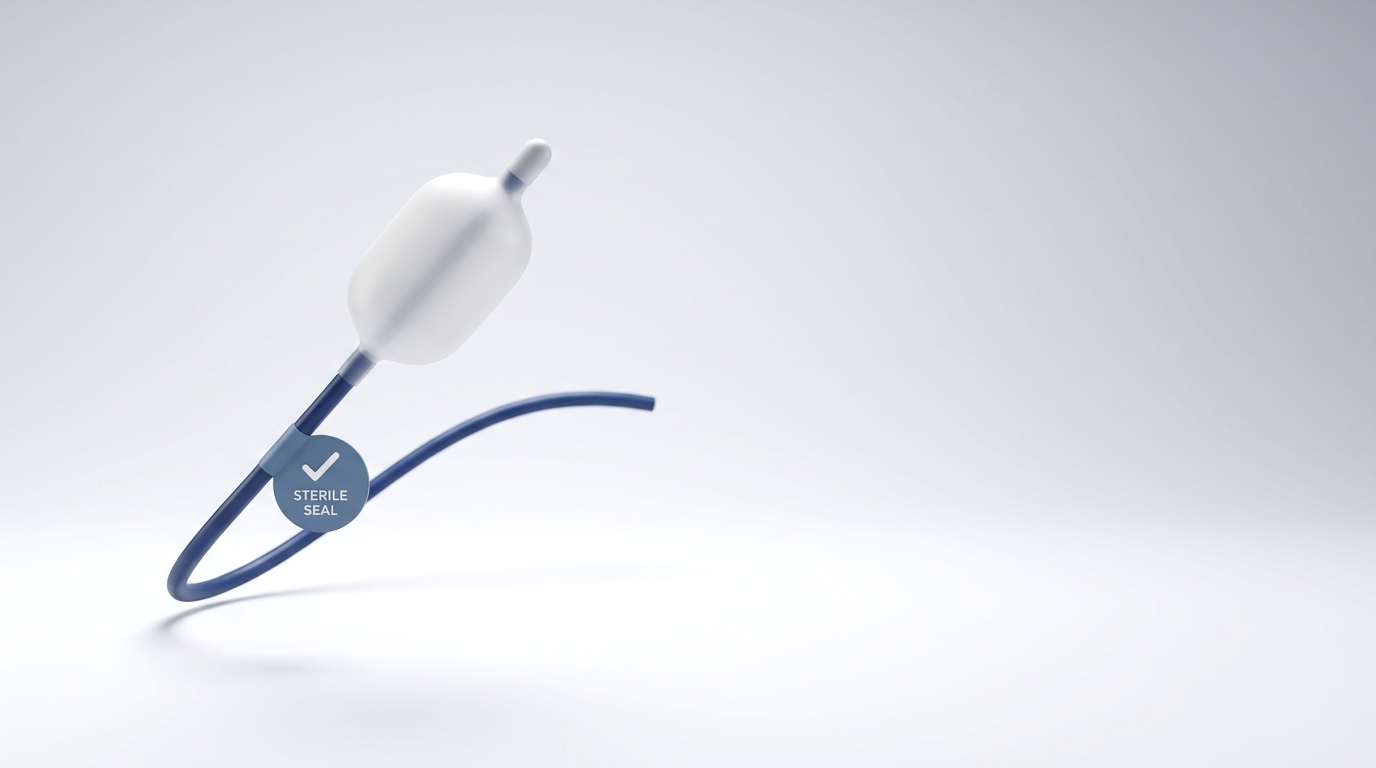
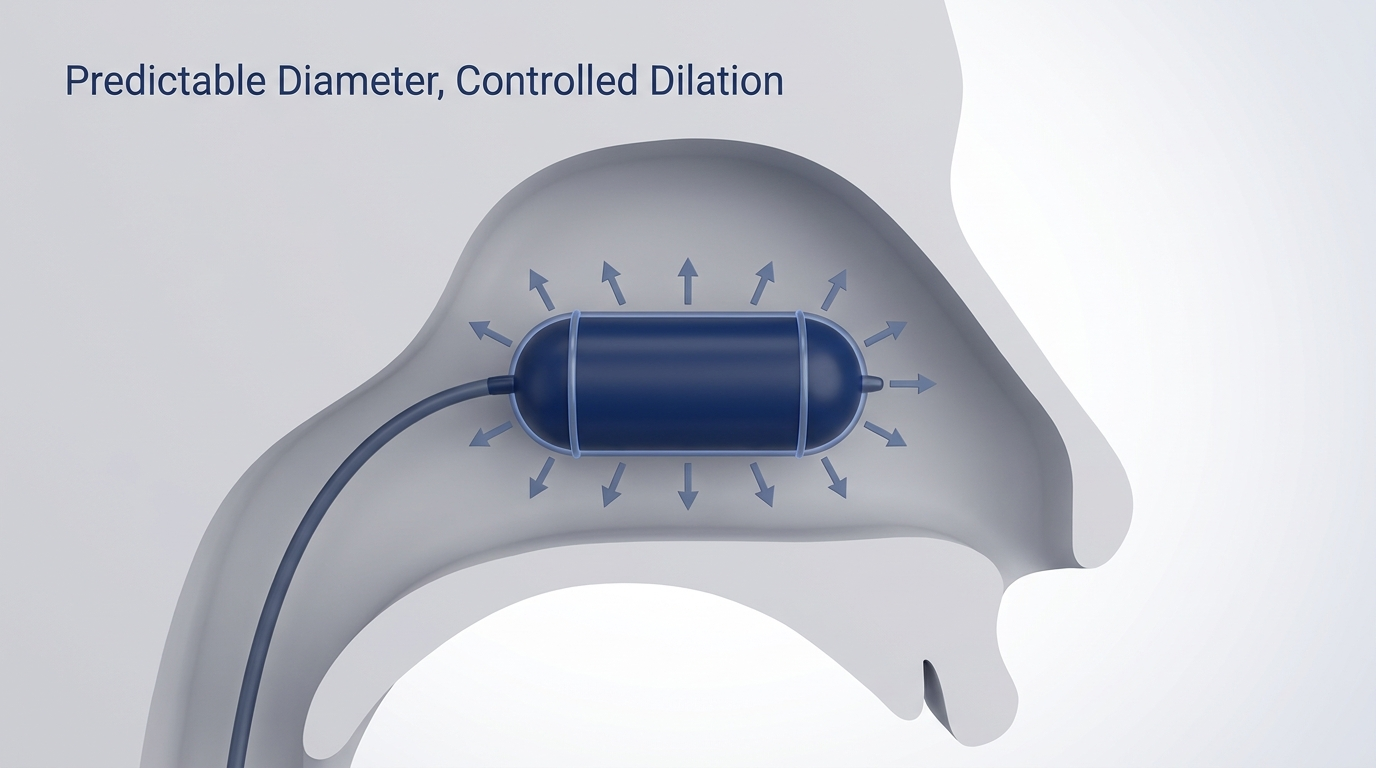
ClearPath is an innovative balloon dilation system engineered to assist otolaryngologists in treating nasal airway obstruction. The device operates via a physician-controlled balloon catheter that gently dilates targeted tissues within the nasal cavity. By increasing airflow space in obstructed nasal passages, ClearPath aims to offer symptom relief through a minimally invasive method.
Key features include:
- Minimally Invasive Mechanism: Unlike more extensive surgery, ClearPath causes less tissue trauma and supports quicker recovery.
- Ease of Use: Designed to seamlessly integrate into existing ENT procedural workflows, the device emphasizes efficiency and patient comfort.
- Physician Control: The system is maneuvered with precision under direct visualization, allowing tailoring of dilation to individual anatomy.
For clinicians seeking procedural details, ClearPath Instructions for Use provide comprehensive guidance on handling and setup. Additionally, clinical demonstration videos visually support technique refinement.
FDA Clearance of ClearPath
ClearPath received clearance from the FDA via the 510(k) pathway, endorsing its substantial equivalence to predicate devices already legally marketed for nasal dilation purposes. The FDA review encompassed evaluation of:
- Device design and materials
- Performance testing under conditions simulating clinical use
- Safety data commensurate with its risk level
The official FDA 510(k) record for the device can be referenced here: FDA 510(k) K181546.
While FDA clearance demonstrates that ClearPath meets the regulatory requirements for safety and intended performance, it remains important to combine this knowledge with clinical judgment, published data, and patient factors when considering device adoption.
Comparison With Other ENT Balloon Devices
The ENT field includes several balloon-based devices cleared by the FDA, each with specific indications:
- Sinus Balloon Dilation Devices: Primarily employed to dilate sinus ostia to alleviate chronic rhinosinusitis symptoms, these devices remodel sinus drainage pathways.
- Nasal Airway Balloon Devices: Devices like ClearPath specifically target intranasal airway obstruction caused by anatomic narrowings, distinct from sinus-specific devices.
- Steroid-Eluting Implants and Bioabsorbable Devices: Though structurally and functionally different from balloons, these devices address nasal anatomy and postoperative care through sustained medication delivery or mechanical support.
ClearPath’s clearance sits alongside these alternatives, offering an approach focused on mechanical dilation of nasal airways without accompanying drug delivery or implant absorption properties. This positions ClearPath as a complementary option within the broader management strategies for nasal obstruction and nasal airway management.
Advances in Nasal Surgery: Contextualizing ClearPath
Overview of Recent Innovations
The past decade has witnessed notable technological progress in nasal surgery:
- Steroid-Eluting Implants: Devices such as the PROPEL Contour Sinus Implant provide localized steroid delivery following sinus surgery, suppressing inflammation and improving outcomes as approved via the PMA pathway.
- Bioabsorbable Implants: Innovations like Spirair’s SeptAlign System utilize resorbable scaffolds to assist with nasal septum correction, minimizing the need for rigid devices or re-operation.
- Improved Balloon Technologies: Devices such as ClearPath continue to refine the mechanical approach to nasal airway treatment by focusing on comfort, reproducibility, and anatomical specificity.
An overview of minimally invasive rhinology techniques is available: Peer-reviewed review on PMC.
How ClearPath Complements Existing Technologies
ClearPath fills a distinct role by providing minimally invasive dilation of nasal passages without implantable components or local drug delivery. In many clinical scenarios, this balloon dilation may be combined sequentially or adjunctively with steroid-eluting implants or bioabsorbable scaffolds to address varying facets of nasal airway pathophysiology.
Benefits include:
- Enhancing airflow without structural device implantation.
- Potentially reducing postoperative discomfort compared to more invasive procedures.
- Allowing clinicians to tailor multimodal treatments based on anatomical and symptomatic assessments.
Hence, ClearPath adds breadth to clinicians’ armamentarium, enabling flexible, individualized therapy in nasal surgery and obstruction management.
Regulatory Considerations When Choosing Nasal Surgery Devices
Factors Clinicians and Purchasers Should Consider
In selecting nasal surgery devices, particularly balloon dilation products, multiple factors are pivotal:
- FDA Clearance or Approval Status: Confirms the device meets established regulatory standards. Review device summaries and FDA databases to verify claims and understand intended indications.
- Clinical Evidence: Examine peer-reviewed research, registries, and post-market data verifying safety and efficacy in relevant patient populations.
- Device Features: Consider ease of use, integration with clinical workflow, compatibility with anesthesia protocols, and durability.
- Patient-Centric Attributes: Assess potential impact on patient comfort, recovery time, and anatomical variations.
- Cost and Reimbursement: Factor in acquisition expense, procedural cost-effectiveness, and insurance coverage implications.
Regulatory Status as Part of Decision-Making
FDA clearance alone does not confer device superiority but serves as a foundation for safe marketing and clinical use within defined indications. Decisions must integrate:
- Regulatory documentation
- Clinical experience and published outcomes
- Practical considerations specific to practice environments and patient demographics
This holistic approach ensures optimal technology adoption and patient care.
Practical Insights for Clinicians, Administrators, and Patients
For Clinicians
- Maintain awareness of advances in FDA-cleared nasal surgery technologies to align procedural choices with patient needs effectively.
- Incorporate ClearPath as a minimally invasive balloon dilation option for nasal airway obstruction when appropriate.
- Utilize training materials such as ClearPath Instructions for Use and clinical demonstration videos to enhance procedural proficiency.
- Balance office, ambulatory, and operating room settings in procedural planning relative to available device technologies.
For Healthcare Administrators
- Conduct comprehensive evaluations of new nasal surgery devices emphasizing regulatory status, documented outcomes, training requirements, and cost-efficiency.
- Consider adopting minimally invasive devices like ClearPath to expand office-based procedure offerings, potentially improving patient throughput and satisfaction.
- Engage with clinicians to understand workflow impact and patient preference trends.
For Patients
- If nasal breathing difficulties impact quality of life, consult a qualified ENT specialist to discuss the full spectrum of treatment options.
- Understand that FDA clearance signifies a device has met regulatory safety standards but engaging with a physician remains crucial for personalized care decisions.
- Reading patient testimonials on ClearPath outcomes provides real-world insights but does not replace medical advice.
How ClearPath Is Used in Practice
The ClearPath system integrates smoothly into modern ENT procedural workflows:
- It employs a minimally invasive, physician-controlled balloon catheter designed to gently dilate narrowed nasal passages relevant to airway obstruction.
- Deployment is typically performed under direct visualization using standard ENT instrumentation.
- The device is versatile enough for use in clinic-based or surgical environments, depending on clinical judgment and patient preference.
Clinicians interested in in-depth procedural instructions can access the ClearPath Instructions for Use and benefit from clinical demonstration videos, which serve as valuable educational resources.
Summary and Key Takeaways
- The nasal surgery device landscape includes FDA-cleared balloon dilation systems like ClearPath, FDA-approved steroid-eluting implants, and FDA-cleared bioabsorbable scaffolds, each addressing different anatomical and clinical needs with minimally invasive approaches.
- The FDA’s 510(k) clearance process ensures devices such as ClearPath meet stringent safety and performance criteria based on equivalence to predicate devices. PMA approval involves a higher threshold of clinical evidence for select implants delivering medication or structural support.
- ClearPath specifically targets nasal airway obstruction through gentle inflation of intranasal tissues, positioned as a complementary option alongside other advanced devices.
- Clinicians and healthcare administrators should integrate regulatory data, clinical evidence, and practical considerations when selecting devices, while patients are encouraged to engage in detailed discussions with healthcare providers to tailor treatments.
References and Further Reading
- FDA PMA Database: PROPEL Contour Steroid-Eluting Sinus Implant
https://www.accessdata.fda.gov/scripts/cdrh/cfdocs/cfpma/pma.cfm?ID=390447 - FDA Clearance of Spirair’s SeptAlign System for Nasal Septal Deviation
https://www.massdevice.com/fda-clears-spirairs-septalign-system-to-treat-nasal-septal-deviation/ - Peer-Reviewed Overview of Minimally Invasive Rhinology Techniques
https://pmc.ncbi.nlm.nih.gov/articles/PMC10802084/
Helpful ClearPath Resources
- ClearPath Instructions for Use
- ClearPath Clinical Demonstration Videos
- Patient Testimonials on ClearPath Outcomes
Note: This article is intended for educational purposes only and does not substitute professional medical advice or diagnosis. Consult a licensed healthcare professional for personalized care recommendations.

Dr. David G. Dillard
Author
Share it with others!