Why Your CPAP Machine Might Be Failing You (And Fixes)
If you’re using CPAP faithfully but still waking up tired—or your partner says you’re still snoring—you’re not alone. In most cases, a CPAP machine not working doesn’t mean CPAP can’t help you. It usually means one (or more) fixable issues is getting in the way: mask leaks, comfort settings that don’t match your needs, or nasal blockage that makes the whole experience harder than it should be. (SleepApnea.org: https://www.sleepapnea.org/cpap/troubleshooting-cpap-problems/)
Think of CPAP like wearing prescription glasses: if the prescription is right but the frames don’t sit correctly, you’ll still struggle—until the fit is fixed.
Below is a patient-friendly troubleshooting guide to help you pinpoint what’s happening—and what to do next.
Quick takeaway: Failing usually means one of 3 things
The mask isn’t sealing or staying put (air leaks)
Leaks can reduce the pressure you actually receive and can cause dry mouth, dry eyes, and noisy airflow. (SleepApnea.org) Even a “small” leak can matter if it happens for hours at a time—like trying to inflate a bike tire with a tiny puncture.
The settings or comfort features aren’t matched to your needs
Pressure that feels off, uncomfortable exhaling, or persistent symptoms can signal the need for a clinician review—even if you’re using CPAP nightly. (Verywell Health: https://www.verywellhealth.com/signs-your-cpap-is-not-working-3015051)
The machine (or parts) are aging, dirty, or malfunctioning
Filters, tubing, a worn cushion, or a failing humidifier can all make your therapy less effective or less tolerable. (Parkview: https://www.parkview.com/blog/signs-your-cpap-machine-isnt-working-correctly)
Important: Don’t change prescription pressure settings on your own. If you suspect pressure problems, bring your concerns (and your device data) to your sleep clinician. (Mayo Clinic: https://www.mayoclinic.org/diseases-conditions/obstructive-sleep-apnea/diagnosis-treatment/drc-20352095)
Most CPAP frustrations trace back to leaks, comfort mismatches, or equipment issues—and are fixable with targeted steps.
Signs your CPAP may not be working well (even if you use it)
You still snore, choke/gasp, or wake up repeatedly
Ongoing symptoms can point to leaks, pressure mismatch, or other sleep disruptions that need attention. (Parkview; Verywell Health)
You’re still excessively sleepy during the day
Daytime sleepiness despite CPAP use is one of the most common “something’s not right” signs. (Verywell Health) A common patient description is, “I’m doing everything I’m supposed to—and I still feel foggy.”
You wake with headaches, dry mouth, sore throat, or congestion
These can be clues for mouth breathing, CPAP mask leak, or a CPAP humidifier not working as expected. (SleepResolutions: https://www.sleepresolutions.com/blog/cpap-failure-why-it-happens-and-what-happens-next)
Your partner notices loud leaks or the mask whistles
Noise is often a leak signal—especially if it changes with head position. (Parkview) If your partner says, “It sounds like air is escaping,” that’s useful troubleshooting data, not a complaint.
You feel worse with CPAP (bloating, chest discomfort, anxiety/claustrophobia)
Discomfort can be part of CPAP intolerance and may be tied to pressure, mask style, or anxiety triggers. If you experience severe or worsening symptoms such as chest discomfort or significant anxiety, seek prompt medical evaluation. (Verywell Health; SleepResolutions)
If these signs sound familiar, it doesn’t mean CPAP failure—it means your setup needs focused troubleshooting.

The #1 reason CPAP “fails”: Mask fit, leaks, and comfort problems
What a leak looks like
- Dry eyes (air blowing upward)
- Loud rushing air
- Waking up to re-seat your mask
- A sense that therapy “isn’t strong enough” (even when the device is on)
Many devices also display leak-related alerts or summary information that your clinician can review. (SleepApnea.org)
Common fit problems (and quick fixes)
- Straps too tight or too loose: Over-tightening can worsen leaks by deforming the cushion; too loose lets it shift.
- Cushion wear-and-tear: Cushions lose shape over time; replacing them on schedule can make a big difference.
- Wrong size or style: A mask that’s “almost right” can still leak nightly.
- Facial hair changes: Even small changes can affect seal.
- Sleep position: Side-sleeping or stomach-sleeping can push the mask out of place.
A practical tip: refit the mask while lying down in your usual sleep position, because facial contours change compared to sitting up. (Fisher & Paykel Healthcare: https://www.fphcare.com/us/my-sleep-apnea/support/articles/resources-common-cpap-problems-and-their-solution/)
Choosing the right mask style
- Nasal pillow masks: Often feel minimal; may work well if you breathe comfortably through your nose.
- Nasal masks: Cover the nose and can feel more stable for some people.
- Full-face masks: Can be helpful if you regularly breathe through your mouth or have frequent nasal blockage.
Your best mask is the one you can wear consistently with a stable seal. (SleepApnea.org)
Skin irritation and pressure sores
- Clean mask surfaces routinely (oils can worsen sliding and irritation)
- Consider a mask liner or strap padding
- Ask your supplier or clinic to reassess sizing and fit if irritation persists
Mask discomfort is one of the fastest routes to CPAP intolerance, but it’s also one of the most fixable issues. (SleepApnea.org)
For most users, solving mask fit and leaks delivers the quickest improvement in comfort and results.

Dryness, congestion, and “I can’t breathe through my nose”
Why CPAP can dry you out
- Mouth breathing
- Mask leaks (especially around the mouth area)
- Humidity settings that are too low
Dry mouth is a common symptom many users experience when they report a CPAP machine not working. (SleepApnea.org)
Humidity and heated tubing (and how “rainout” happens)
“Rainout” is condensation that collects in the tubing when warm, humid air cools down—often in a colder bedroom. Common fixes include:
- Slightly lowering humidity
- Slightly increasing temperature (if available)
- Insulating the tubing or keeping it under covers
If your humidification seems inconsistent, it may be a settings issue—or a sign your CPAP humidifier not working properly and needs inspection. (SleepApnea.org; Mayo Clinic: https://www.mayoclinic.org/diseases-conditions/obstructive-sleep-apnea/diagnosis-treatment/drc-20352095)
When nasal blockage is the real barrier to CPAP success
If you routinely feel like you can’t get air through your nose, CPAP can become a nightly struggle. Chronic congestion, narrow nasal passages, or a deviated septum can push you toward mouth breathing and leaks—making therapy feel ineffective even when you’re “doing everything right.” (Ubie Health: https://ubiehealth.com/doctors-note/cpap-machine-struggles-fails-causes-medic-steps-3723e2)
If this resonates, learn more about the deviated septum and sleep apnea connection here: https://www.clearpathnasal.com/blog/deviated-septum-and-sleep-apnea-can-clearpath-improve-breathing-at-night
Persistent obstruction is worth discussing with an ENT—especially if nasal blockage is the main reason your CPAP machine not working for you in real life.
Optimizing humidification and nasal airflow can transform CPAP from barely tolerable to comfortably sustainable.

Pressure problems (too high, too low, or just uncomfortable)
Signs pressure may be too low
- Continued snoring
- Still waking up unrefreshed
- Persistent symptoms despite consistent use
These can be hints that your pressure isn’t fully treating events—or that leaks are preventing effective therapy. (Verywell Health)
Signs pressure may be too high
- Difficulty exhaling
- Chest discomfort
- Mask “blowing off” or increased leaks
- Worsening dryness
Some people describe this as CPAP pressure too high—uncomfortable enough to cause frequent awakenings. (Verywell Health)
Aerophagia (swallowing air) and bloating
Aerophagia can cause belching, bloating, or stomach discomfort. Clinicians may address it by adjusting comfort settings (like ramp or expiratory relief) and reassessing overall pressure needs—without you having to guess at changes. (SleepResolutions; SleepApnea.org)
Don’t self-adjust—here’s what to ask your sleep specialist
Bring a simple checklist:
- Can we review my leak patterns and nightly data?
- Do I have residual breathing events that suggest a mismatch?
- Could mask refitting or a different mask style reduce leaks?
- Are comfort features optimized for my symptoms?
This is one of the most effective ways to resolve the CPAP machine not working feeling without trial-and-error. (Verywell Health; SleepApnea.org)
If pressure feels wrong, collaborate with your clinician—don’t guess.

When the machine is the problem (malfunction, dirty parts, or aging)
CPAP lifespan: what most patients should expect
Many CPAP machines are often replaced around ~5 years, depending on maintenance, wear, and insurance replacement policies. Confirm the appropriate CPAP replacement timeframe with your supplier and clinician. (Parkview)
Red flags your device may be failing
- Louder-than-usual motor noise
- Airflow feels weak or inconsistent
- Repeated error messages
- Water chamber issues or humidifier not heating (possible CPAP humidifier not working)
(Parkview; SleepApnea.org)
Maintenance checklist (simple but often overlooked)
- Replace or clean filters as directed
- Inspect tubing for pinholes, cracks, or loose connections
- Clean and inspect the water chamber (look for cracks or poor seal)
- Replace worn mask cushions
Often, what feels like CPAP failure is really a maintenance issue plus leaks. (SleepApnea.org)
When to contact your supplier vs your clinician
- Mechanical errors, broken parts, loud motor, humidifier failure → contact your supplier/manufacturer
- Persistent symptoms, pressure discomfort, ongoing sleepiness → contact your sleep clinic
(Parkview)
Regular maintenance and timely part replacement often resolve what seems like therapy failure.
Lifestyle + environment can quietly reduce CPAP effectiveness
Weight changes and sleeping position
Weight change can alter pressure needs. Sleeping on your back may worsen obstruction for some people. (Mayo Clinic; SleepApnea.org)
Alcohol or sedatives before bed
These can relax airway muscles and worsen obstruction, making CPAP feel less effective. (Mayo Clinic)
Allergies/seasonal congestion and bedroom humidity
Allergies can drive nasal congestion problems, mouth breathing, and leaks. If you’re trying to figure out whether symptoms are allergy-driven or structural, see deviated septum vs allergies—how to tell the difference: https://www.clearpathnasal.com/blog/deviated-septum-vs-allergies-how-to-tell-the-difference
Even “perfect users” sometimes need a therapy refresh when life circumstances change. (SleepApnea.org)
Small habit and environment tweaks can make a surprising difference in nightly results.
Step-by-step troubleshooting plan (patient-friendly)
Step 1 — Check the seal
- Refit while lying down
- Replace cushion if it’s worn
- If leaks persist, consider a different mask style with your supplier/clinic
(SleepApnea.org)
Step 2 — Reduce dryness and congestion
- Adjust humidity gradually
- Address mouth breathing and leaks
- Consider saline rinses/sprays if appropriate for you (ask a clinician if unsure)
(Mayo Clinic; SleepApnea.org)
Step 3 — Check the hardware
- Inspect tubing and connections
- Replace filters
- Confirm humidifier function and water chamber integrity
(Parkview; SleepApnea.org)
Step 4 — Review your data with a professional
Ask for a review of:
- Leak patterns
- Residual breathing events
- Symptom trends
(Verywell Health; Parkview)
Step 5 — Reassess barriers like nasal obstruction
If you can’t breathe through your nose comfortably, CPAP success can remain limited until nasal airflow is addressed.
Working this checklist with your clinician prevents trial-and-error burnout and speeds up relief.

If nasal obstruction is limiting CPAP, what treatment options exist?
The goal here is improved nasal airflow and better CPAP tolerance—not a guaranteed cure for sleep apnea.
Medical options first
Depending on the cause, options may include allergy management, clinician-directed nasal sprays, and humidification strategies to reduce inflammation and dryness. (Mayo Clinic)
Structural options (when anatomy is the issue)
When a deviated septum or other structural narrowing is a major contributor, an ENT evaluation can clarify whether a procedure might improve airflow and make CPAP easier to use. For a plain-language overview, start here: What is balloon septoplasty? https://www.clearpathnasal.com/blog/what-is-balloon-septoplasty-a-minimally-invasive-option-for-deviated-septum
Minimally invasive balloon-assisted septoplasty (ClearPath context)
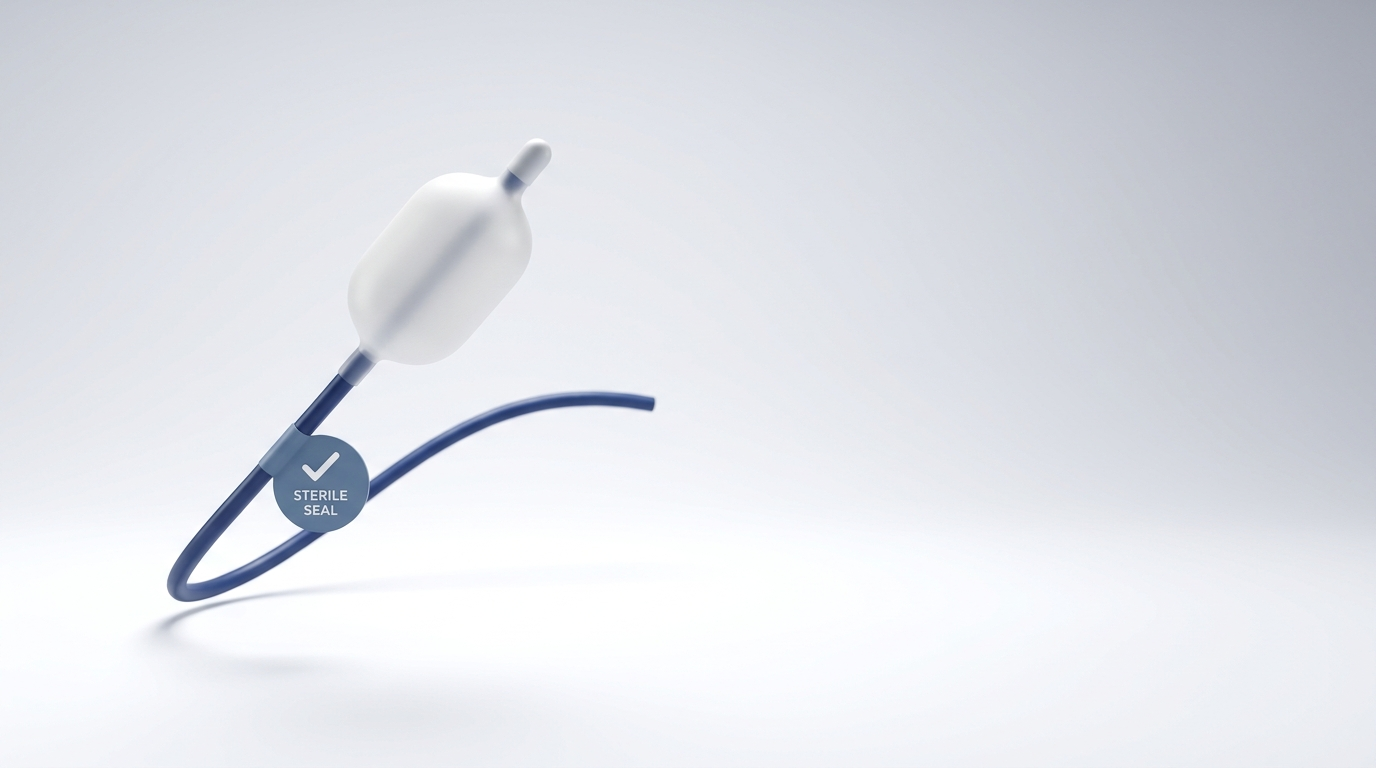
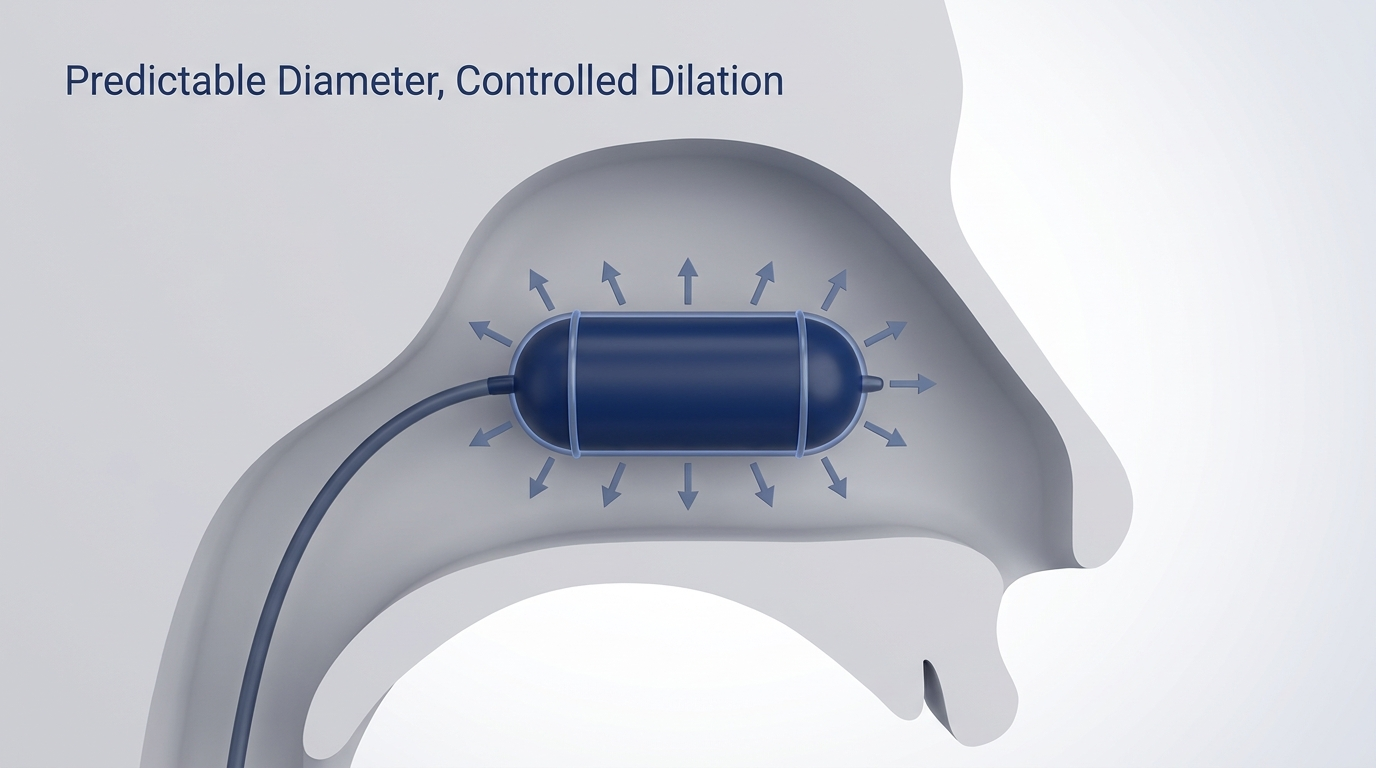
One approach is balloon-assisted endoscopic septoplasty using the ClearPath Nasal Balloon (CNB)—a device designed to mobilize the septum using directional hydrostatic pressure under endoscopic visualization.
- In a published retrospective series:
- 107 cases reported no major intraoperative or postoperative complications (Dillard et al., 2026).
- In a CT-imaging subset, septal alignment improved by ~45% at maximal deviation and ~22% at the nasolacrimal duct (both p=0.005) (Dillard et al., 2026).
- Patient-reported symptoms improved, with SNOT-22 decreasing ~24%, including improvements in congestion and sleep-related quality-of-life items (Dillard et al., 2026).
Results with ClearPath can vary, and this treatment may not be suitable for everyone. Discuss thoroughly with your ENT or sleep specialist.
ClearPath is best thought of as a minimally invasive alternative to more traditional septal procedures for appropriately selected patients—not a one-size-fits-all solution. Next step: ask your local ENT whether nasal anatomy is contributing to your CPAP intolerance, and whether ClearPath (or another approach) could be reasonable for you. You can also see who may be a fit here: best candidates for balloon septoplasty: https://www.clearpathnasal.com/blog/best-candidates-for-balloon-septoplasty-with-clearpath
Addressing nasal anatomy when appropriate can improve CPAP tolerance—even if CPAP remains part of your care plan.
When to call your sleep specialist urgently
You’re using CPAP but symptoms are worsening
Don’t wait if daytime sleepiness, morning headaches, or nighttime breathing symptoms are getting worse. (Parkview; Verywell Health)
You can’t tolerate CPAP at all
Panic sensations, severe bloating, or chest symptoms should prompt medical guidance. (Verywell Health)
You see frequent device errors or suspect mechanical failure
If you suspect equipment malfunction, contact your supplier and loop in your clinician. (Parkview)
Safety note
If you feel dangerously sleepy, avoid driving and seek medical advice promptly. (Parkview)
When in doubt, prioritize safety—pause, contact your care team, and don’t drive drowsy.
FAQ
Why am I still tired even though I use CPAP every night?
Common reasons include mask leaks, mouth breathing, nasal obstruction, pressure mismatch, or another sleep issue. A data review (leaks + residual events) with your clinician is often the fastest way to identify the cause. (Verywell Health; SleepApnea.org)
How do I know if my CPAP pressure is wrong?
Signs can include persistent snoring (too low), discomfort/exhaling difficulty (too high), more leaks, or continued sleepiness. Don’t self-adjust—ask for a clinician review of your data and symptoms. (Verywell Health)
How often should I replace my mask/tubing/filters?
Replacement schedules vary by component and coverage rules, but regular replacement matters because worn parts drive leaks and discomfort. Confirm timing with your supplier/clinic. (SleepApnea.org; Parkview)
What does “rainout” mean and how do I stop it?
Rainout is condensation in the tubing. Adjust humidity/temperature gradually and consider steps to keep the air path warmer. (SleepApnea.org)
Can a deviated septum make CPAP harder to use?
Yes. A deviated septum can worsen nasal blockage, increase mouth breathing, and make leaks more likely—contributing to the experience of a CPAP machine not working even with consistent use. (Ubie Health; Mayo Clinic)
When should I replace my CPAP machine?
Often around ~5 years, though it depends on performance, maintenance, and insurance policies. If it’s louder, inconsistent, or throwing errors, ask about replacement. (Parkview)
Conclusion + patient next steps
When it feels like your CPAP machine not working, it’s usually one (or more) of these: fix leaks and mask comfort first, verify settings with your clinician, keep up with maintenance (and replace aging equipment), and address nasal blockage if it’s limiting your breathing.
Next steps you can take this week:
- Download or request your CPAP report and schedule a data review.
- If nasal obstruction is a recurring barrier, book an ENT evaluation to discuss options—including minimally invasive approaches like ClearPath as an alternative to traditional septal procedures.
References
- SleepApnea.org. CPAP Troubleshooting. https://www.sleepapnea.org/cpap/troubleshooting-cpap-problems/
- Parkview Health. Signs Your CPAP Machine Isn’t Working Correctly. https://www.parkview.com/blog/signs-your-cpap-machine-isnt-working-correctly
- Verywell Health. Signs Your CPAP Is Not Working. https://www.verywellhealth.com/signs-your-cpap-is-not-working-3015051
- Fisher & Paykel Healthcare. Common CPAP Problems and Solutions. https://www.fphcare.com/us/my-sleep-apnea/support/articles/resources-common-cpap-problems-and-their-solution/
- SleepResolutions. CPAP Failure: Why It Happens and What Happens Next. https://www.sleepresolutions.com/blog/cpap-failure-why-it-happens-and-what-happens-next
- Ubie Health. CPAP Machine Struggles: Causes & Next Steps. https://ubiehealth.com/doctors-note/cpap-machine-struggles-fails-causes-medic-steps-3723e2
- Mayo Clinic. Obstructive Sleep Apnea: Diagnosis & Treatment. https://www.mayoclinic.org/diseases-conditions/obstructive-sleep-apnea/diagnosis-treatment/drc-20352095
- Dillard JD, Koudouovoh C, Lee V, et al. Outcomes of force-directed balloon-assisted endoscopic septoplasty: a retrospective analysis with a new technique and device. Rhinology Online. 2026;9:18–23. http://doi.org/10.4193/RHINOL/25.018
Disclaimer: This article is for educational purposes only and is not medical advice. Please consult a qualified healthcare provider for diagnosis and treatment.

Dr. David G. Dillard
Author
Share it with others!