Why Do I Wake Up with a Dry Mouth?
If you wake up with a dry mouth, you’re not alone—and it’s not always just dehydration. Overnight dry mouth (also called xerostomia) is commonly associated with mouth breathing during sleep, which can happen with nasal congestion, a deviated septum, snoring, or sleep-disordered breathing, such as obstructive sleep apnea. Medications, alcohol, tobacco, and certain health conditions can also contribute.
Think of saliva as your mouth’s maintenance crew: it supports comfort, swallowing, taste, and tooth protection. When saliva is low—or dries out faster than your body can replace it—mornings can feel rough. Bottom line: dry mouth is a symptom with many contributors, and sleep-related airflow is a common one.
Quick jump links
- Symptom checklist
- When to call a doctor
Quick answer: why you wake up with a dry mouth overnight
Dry mouth (xerostomia) generally means there isn’t enough saliva to keep your mouth comfortably moist. Saliva helps protect teeth, gums, and soft tissues. The tricky part is that saliva production naturally drops while you sleep, so anything that increases drying (especially airflow through an open mouth) can feel much worse by morning. (See: Mayo Clinic, NHS)
A common pattern people describe is: I fall asleep fine, but I wake up at 3 a.m. feeling parched. That timing makes sense—if your mouth is drying out gradually, you may not notice until the dryness crosses a threshold that wakes you.
In short: lower nighttime saliva plus extra airflow can add up to a very dry morning.
Signs your dry mouth may be more than just thirsty

Symptom checklist
Common morning symptoms include:
- A sticky, cotton-mouth feeling or thick/sticky saliva
- Bad breath, sore throat, or hoarseness
- Dry/cracked lips, mouth sores, or tongue irritation
- Waking up repeatedly to sip water
(Reference: Mayo Clinic, NHS)
A quick self-check: if you’re keeping a water glass on the nightstand just in case (and refilling it often), that’s a useful clue that something about sleep—airflow, congestion, or meds—may be contributing.
If repeated nighttime sips are a pattern, it’s reasonable to look at sleep and nasal airflow as possible contributors.
Why it matters (oral health + sleep quality)
- Less saliva can increase risk of tooth decay, gum irritation, and trouble swallowing. (Mayo Clinic)
- Sleep can become fragmented if you keep waking up to drink water. (Healthline)
A dry mouth can disrupt sleep and raise cavity risk—two good reasons to pay attention to it.
The most common association: mouth breathing during sleep
Many people who wake up with dry mouth experience it largely because they’re breathing through their mouth overnight.

How mouth breathing dries your mouth out
When air repeatedly flows through an open mouth, it speeds up evaporation of saliva. Combine that with the normal nighttime drop in saliva production and you can end up with a very dry mouth by morning. (Sleep Foundation, Healthline)
Think of a damp sponge left in front of a fan—the moisture is simply pulled away faster.
Why you might be mouth breathing
- Nasal congestion (allergies, colds, sinus inflammation)
- Structural nasal blockage, such as a deviated septum, which may contribute to mouth breathing and therefore dry mouth
- Habit/position (sleeping on your back may worsen open-mouth breathing for some people)
- Sleep-disordered breathing (snoring and obstructive sleep apnea are commonly associated with dry mouth)
(References: Sleep Foundation, Mayo Clinic)
If you suspect the blockage is structural, this overview can help: https://www.clearpathnasal.com/blog/deviated-septum-and-chronic-nasal-congestion-what-to-do-next
Snoring often overlaps with mouth breathing. Why nasal obstruction can worsen snoring: https://www.clearpathnasal.com/blog/deviated-septum-and-snoring-why-a-balloon-procedure-may-help
When the nose is crowded, the mouth tends to take over at night—leading to more evaporation and dryness.
Red flags that point to sleep apnea (not just dry mouth)
- Loud, persistent snoring
- Gasping/choking, or someone observes pauses in breathing
- Morning headaches, daytime sleepiness, or trouble concentrating
(Reference: Sleep Foundation)
Read more on nasal obstruction and sleep apnea: https://www.clearpathnasal.com/blog/deviated-septum-and-sleep-apnea-can-clearpath-improve-breathing-at-night
If dryness rides along with loud snoring, gasping, or daytime sleepiness, a sleep evaluation is worth discussing.
Other major reasons you wake up with a dry mouth

Medications (a very common contributor)
Medication side effects frequently include xerostomia. Prescription and over-the-counter products can reduce saliva or make dryness more noticeable—often including some allergy medicines, mood-related medications, blood pressure medications, and decongestants. Don’t stop a medication on your own; ask whether an alternative or dose adjustment is appropriate. (Mayo Clinic, NHS)
A practical tip: if your dry mouth started soon after a new pill, dose change, or even a new OTC allergy product, that timeline is valuable information to bring to your appointment.
If timing lines up with a medication change, mention it—your clinician will want to know.
Dehydration (especially at night)
Dry mouth at night may be worse if you are underhydrated or losing fluid due to fever, heavy exercise, vomiting/diarrhea, or very dry indoor air (heated/air-conditioned rooms). (NHS, Healthline)
Caffeine does not dehydrate everyone in a clinically meaningful way, but some people notice that higher intake feels drying; if that’s you, consider moderating later in the day.
Gentle, steady hydration during the day generally supports more comfortable nights.
Alcohol, tobacco, and cannabis
- Alcohol can worsen fluid loss and contribute to overnight dryness.
- Tobacco can reduce saliva and irritate oral tissues.
(Reference: NHS, Healthline)
If night out = cotton mouth morning sounds familiar, you’re noticing a common pattern.
Medical conditions that reduce saliva
- Diabetes
- Sjogren’s syndrome
- Some neurologic conditions (e.g., Alzheimer’s disease)
- Cancer treatment such as radiation therapy affecting salivary glands
(Mayo Clinic, NHS)
Persistent or severe dryness—especially with other symptoms—is a good reason to check in with a clinician.
General steps people consider at home
If you wake up with a dry mouth, many people find it helpful to focus on nasal breathing and saliva support. These are general tips and may not be right for everyone.

Support nasal breathing (reduce mouth breathing)
- Consider a saline rinse or saline spray before bed for short-term congestion.
- If allergies are a pattern, discuss a consistent allergy plan with a clinician.
- If symptoms are worse on your back, try side-sleeping.
(References: Sleep Foundation, NHS)
If you’re unsure whether it’s allergies or structure, this guide may help: https://www.clearpathnasal.com/blog/deviated-septum-vs-allergies-how-to-tell-the-difference
Easier nasal breathing at night can mean less evaporation and less morning dryness.
Add moisture to the air
A bedroom humidifier can reduce dryness, especially in winter or very dry climates. Aim for a comfortable humidity level—over-humidifying can aggravate allergies or mold risk. (NHS, Sleep Foundation)
Small changes in bedroom humidity can make a noticeable difference when indoor air is very dry.
Hydration and bedtime habits
- Hydrate steadily during the day (not only right before bed).
- Consider limiting alcohol close to bedtime.
- Avoid tobacco.
- If caffeine feels drying to you, consider cutting back later in the day.
(NHS, Healthline)
Consistent, daytime hydration and gentle habit tweaks often help overnight comfort.
Mouth-support strategies (symptom relief)
- Sugar-free gum/lozenges during the day may help stimulate saliva (if appropriate for you).
- Over-the-counter saliva substitutes or moisturizing mouth rinses (alcohol-free) may provide relief.
- Protect teeth with fluoride toothpaste and regular dental checkups. (Mayo Clinic, NHS)
Comfort measures don’t replace addressing the cause, but they can make sleep and mornings easier while you troubleshoot.
If nasal blockage is the driver, address the why
Common nasal causes that can lead to mouth breathing
- Allergies and chronic rhinitis
- Chronic sinus inflammation
- Structural narrowing such as a deviated septum or turbinate enlargement
(References: Sleep Foundation, Healthline)
If snoring is part of the picture: https://www.clearpathnasal.com/blog/deviated-septum-and-snoring-why-a-balloon-procedure-may-help
For help sorting congestion causes: https://www.clearpathnasal.com/blog/deviated-septum-vs-allergies-how-to-tell-the-difference
Understanding the root cause of nasal blockage helps you choose the most appropriate path forward.
When nasal obstruction may need an ENT evaluation
- You can’t breathe through your nose most nights
- Congestion persists despite appropriate allergy care
- You snore, sleep poorly, or suspect sleep apnea
(References: Sleep Foundation, NHS)
If your nose isn’t reliably doing its job at night, your mouth ends up doing extra work—and your saliva pays the price.
Treatment pathways (from least to more involved)
- Medical management (for example, allergy-focused treatment or nasal sprays)
- A sleep evaluation if sleep-disordered breathing is suspected
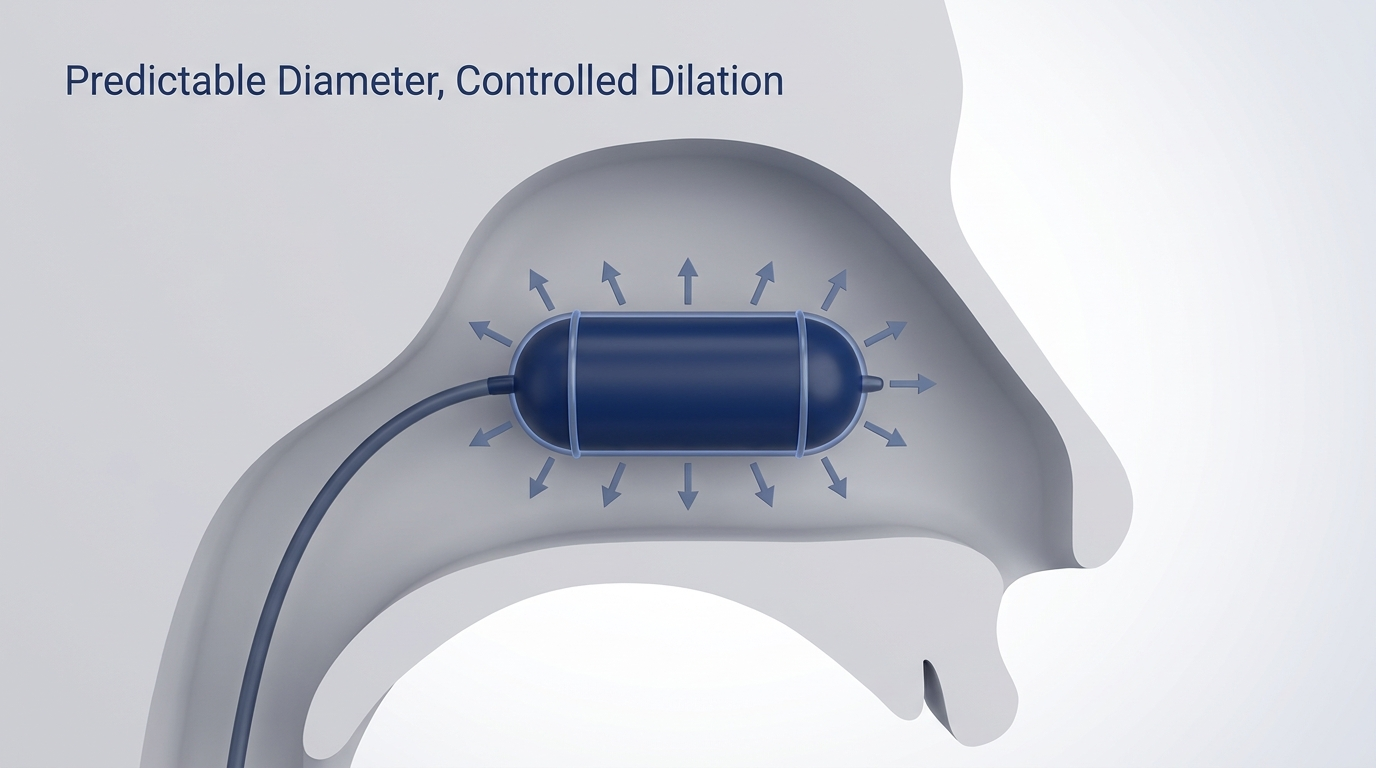
- Structural approaches if anatomy is a main contributor (for example, procedures to improve nasal airflow)
Treatment depends on the cause; the goal is to support comfortable, effective nasal breathing during sleep.
How nasal airflow relates to dry mouth
Better nasal airflow can make nasal breathing easier for some people, which may reduce nighttime mouth breathing—a common contributor to morning dryness. Individual results vary, and dry mouth can have several contributing factors, including medications and systemic conditions.
Improving nasal airflow may help some people breathe through the nose at night, which can reduce saliva evaporation.

When to see a clinician (and what to ask)
Make an appointment if:
- Dry mouth lasts more than a couple of weeks
- You have increasing cavities, gum bleeding/irritation, recurrent mouth sores, or trouble swallowing
- You suspect sleep apnea (snoring, gasping, daytime sleepiness)
- You started a new medication around the time symptoms began
(References: Mayo Clinic, NHS, Sleep Foundation)
Helpful questions to ask:
- Could any of my medications be contributing to xerostomia?
- Do my symptoms suggest sleep apnea or another sleep disorder?
- Is nasal obstruction (allergies, deviated septum) contributing to mouth breathing?
- What’s the best plan to protect my teeth while we address potential causes?
For more on sleep apnea and nighttime breathing: https://www.clearpathnasal.com/blog/deviated-septum-and-sleep-apnea-can-clearpath-improve-breathing-at-night
If dry mouth is affecting your sleep or dental health, checking in with your dentist, primary care clinician, or a local ENT is a reasonable next step.
FAQ
Why do I wake up with a dry mouth even when I drink water?
Even if you’re hydrated, mouth breathing during sleep, medications, alcohol, and dry indoor air can still cause evaporation and reduced moisture overnight. (Sleep Foundation, Mayo Clinic, NHS)
Can sleep apnea cause dry mouth?
It’s commonly associated. Sleep-disordered breathing can increase mouth breathing and airflow, contributing to dry mouth symptoms—especially when paired with snoring or gasping. (Sleep Foundation)
What vitamin deficiency causes dry mouth?
Dry mouth is more often related to breathing patterns, medications, hydration, and medical conditions than a single vitamin deficiency. If you’re concerned about nutrition or persistent symptoms, discuss it with a clinician rather than self-diagnosing. (Mayo Clinic, NHS)
What’s the best humidifier setting for dry mouth?
Aim for a comfortable indoor humidity level and avoid over-humidifying, which can aggravate allergies or increase mold risk. If you’re unsure, start conservatively and adjust based on comfort and any allergy symptoms. (NHS)
Key takeaways
- The most common driver is mouth breathing at night, often linked with nasal congestion, structural obstruction, or sleep-disordered breathing.
- Other major contributors include medications, underhydration, alcohol/tobacco, and certain medical conditions.
- General home steps (support nasal breathing, hydrate steadily during the day, consider a humidifier) may help, but seek evaluation if symptoms persist.
(References: Mayo Clinic, Sleep Foundation, Healthline, NHS)
Medical disclaimer: This article is for general education and isn’t a substitute for personalized medical or dental advice, diagnosis, or treatment. If symptoms are persistent, severe, or paired with breathing concerns during sleep, seek care from a qualified clinician.
This article is for educational purposes only and is not medical advice. Please consult a qualified healthcare provider for diagnosis and treatment.

Dr. David G. Dillard
Author
Share it with others!