

Why ClearPath May Suit High-Volume ENT Surgeons
In busy ENT practices, efficiency isn’t just about moving faster—it’s about expanding access while maintaining control and consistency. High-volume ENT surgeons often juggle packed schedules, limited operating room (OR) availability, and the need to deliver reliable outcomes day after day.
The ClearPath Nasal Balloon System is a device designed for minimally invasive septal correction. It is intended to streamline key steps of septal alignment while keeping control and precision at the forefront—an approach that may reduce procedural complexity and may support outpatient workflows in appropriate cases. Learn more about the ClearPath Nasal Balloon System: https://www.clearpathnasal.com/product/clearpath-nasal-balloon-catheter-cnb
If you’re new to the technology, you can start with: Introducing ClearPath: A Breakthrough in Nasal Surgery: https://www.clearpathnasal.com/blog/introducing-clearpath-a-breakthrough-in-nasal-surgery
What “High-Volume” Really Means in ENT (and Why Workflow Matters)
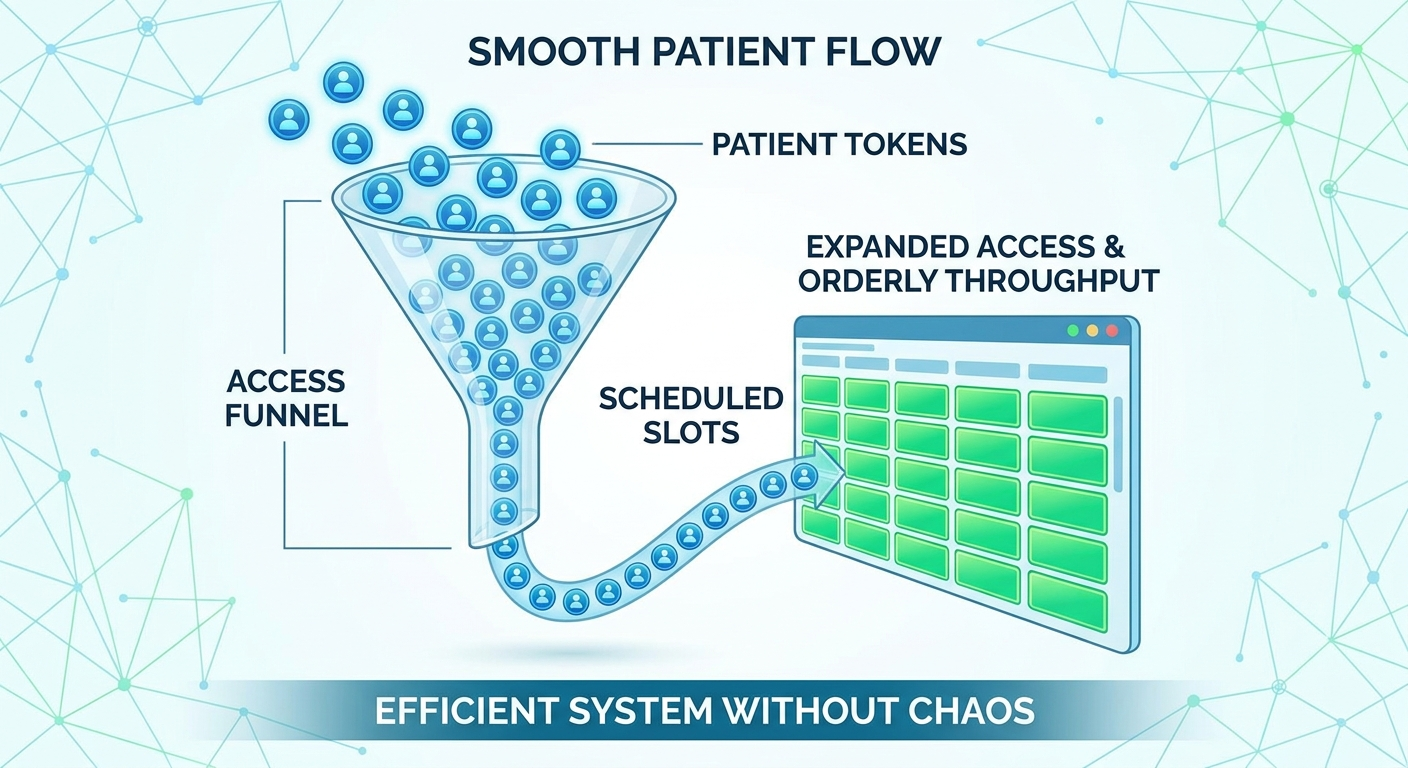
When people hear “high-volume,” it can sound like a business term. In healthcare, it often means a practice is serving many patients who need timely care—sometimes with long waitlists.
For patients with nasal obstruction from a deviated septum, delays can mean more months of congestion, sleep disruption, and facial pressure. In that context, workflow matters because it can affect access—how quickly someone can be evaluated, scheduled, and treated.
The bottlenecks: OR time, turnover, staff utilization, and scheduling constraints
A surgical day is shaped by real limits: room availability, staff coordination, instrument setup, anesthesia time, and recovery space. When a procedure takes longer—or has many steps that require extra time and resources—fewer patients can be scheduled.
- Longer waits for procedure dates
- More rescheduling when the OR schedule gets tight
- More pressure on clinical teams and facility resources
A simple way to picture it: the OR schedule is like a tightly timed flight itinerary. If one “departure” runs late, it can cascade into the rest of the day—creating delays for patients and added stress for teams.
Why “faster” still has to mean controlled and repeatable
Patients don’t benefit from speed alone. They benefit from repeatable, controlled technique that supports safe care and consistent results. That’s why efficiency matters only when paired with safeguards and a process that teams can perform reliably across busy days. In high-volume settings, standardization can be a clinical advantage: when key steps are consistent, teams can stay focused—especially during back-to-back cases.
Takeaway: It’s not just about speed; it’s about dependable, controlled workflows that may expand access without sacrificing safety.
ClearPath in Plain Terms: A Minimally Invasive Tool for Septal Correction
ClearPath is a balloon-based septal correction device designed to help align deviated septal structures with less extensive dissection than traditional approaches may require in some cases.
A helpful analogy (at a high level): rather than “opening up” as much tissue to reach the target area, the approach is designed to focus correction through a more streamlined pathway—while still prioritizing visualization and control.
Terminology at a glance (to avoid confusion)
- Septal correction: Any technique that aims to improve septal alignment and airway.
- Septoplasty: Surgical correction of the deviated septum (traditional open or endoscopic techniques).
- Balloon-assisted septoplasty: A minimally invasive approach that uses a balloon device to assist with alignment via an endoscopic pathway; ClearPath is designed for this use.
For a plain-language overview, see: What is balloon-assisted septoplasty?: https://www.clearpathnasal.com/blog/what-is-balloon-assisted-septoplasty
How ClearPath may differ from traditional septoplasty (high level)
Traditional septoplasty can involve more tissue elevation and flap dissection to access, reshape, or remove cartilage/bone. ClearPath is intended to reduce the emphasis on extensive dissection by using a more streamlined, endoscopic, balloon-assisted approach to correction—aiming to simplify steps while supporting precision.
For some teams, that difference matters operationally. Fewer micro-steps may mean fewer handoffs, fewer setup demands, and less variability from case to case—without turning the procedure into a race.
For a patient-friendly comparison, see: ClearPath vs Traditional Septoplasty: Recovery, Safety, Results: https://www.clearpathnasal.com/blog/clearpath-vs-traditional-septoplasty-recovery-safety-results
Where it fits in modern ENT care (efficiency + outpatient trend)
ENT care has steadily moved toward minimally invasive techniques when appropriate—especially when they can support safe care outside the hospital setting. ClearPath is positioned within this trend by emphasizing workflow efficiency, simplified procedural steps, and potential fit for outpatient environments in selected patients.
Takeaway: A streamlined, balloon-assisted approach may fit well with the broader shift toward minimally invasive, outpatient ENT care—when clinically appropriate.
Efficiency Gains That May Matter to High-Volume ENT Surgeons (and Their Patients)
In a busy practice, time savings aren’t abstract—they can translate into shorter scheduling backlogs and more opportunities to treat patients who are waiting.
Reduced operative time and resource utilization
“Resource utilization” simply means how many steps, staff actions, and room time a procedure requires. When a technique is more streamlined, it may reduce:
- The number of procedural steps in the OR
- Room time and turnover pressure
- The cumulative load on staff across a full surgical day
Even modest reductions can matter in aggregate. If each case is slightly more efficient, a surgical day may be less likely to run over—helping protect on-time starts and reducing last-minute rescheduling.
Lower procedural complexity compared with traditional septoplasty
ClearPath is designed to reduce the need for more extensive tissue disruption (in patient terms: less lifting and separating of tissue layers). Fewer complex steps may help teams deliver a more consistent process—even during back-to-back cases in full clinic days. This is one reason some high-volume ENT surgeons evaluate minimally invasive, balloon-assisted septal correction: the workflow can be easier to standardize.
Takeaway: Standardized, streamlined steps may support throughput while keeping attention on safety and consistency.

Built-In Control and Safety Features (Why Efficiency Doesn’t Have to Increase Risk)
Efficiency helps patients only if safety and control remain strong. ClearPath includes design features intended to make the correction step more controlled.
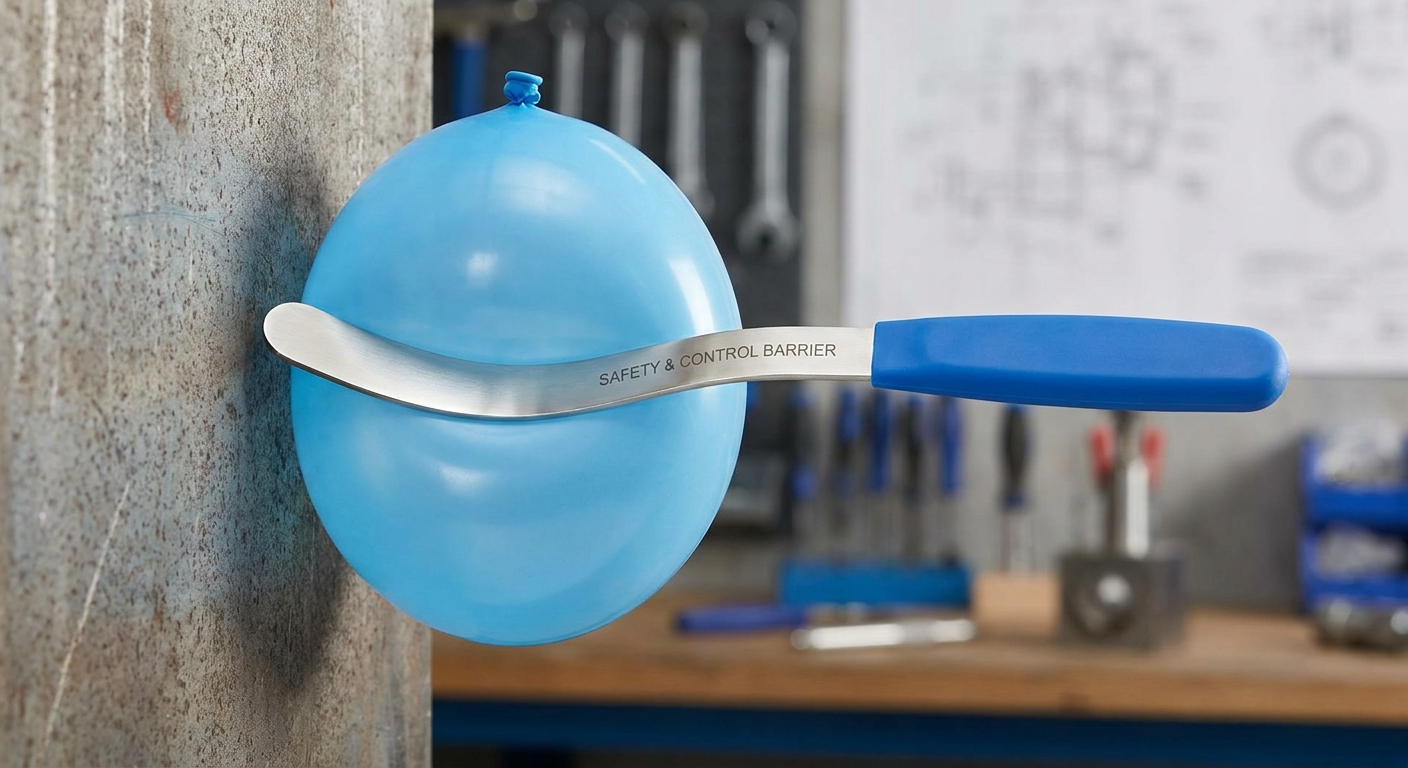
The Guide Spatula: stabilizes and helps shield critical structures
A key element is the Guide Spatula, which is used to help stabilize the target area and shield nearby anatomy during correction. In patient-friendly terms, it functions as a protective guide—supporting controlled positioning and helping reduce unintended contact with adjacent structures. For more on this concept, see how ClearPath protects the nasal sidewall: https://www.clearpathnasal.com/blog/how-clearpath-protects-the-nasal-sidewall
What published outcomes show about complications (one real-world cohort)
Published data in Rhinology Online reported outcomes from a retrospective review of 107 consecutive cases using a force-directed, balloon-assisted endoscopic septoplasty approach. In that cohort, the authors reported no major intraoperative or postoperative complications, including no septal perforation, hematoma, mucosal injury, infection, synechiae, or conversion to traditional septoplasty. These findings reflect one retrospective experience and may not generalize to all settings or devices.
Takeaway: Design features that support control, combined with technique and team experience, may help maintain safety while streamlining steps.
Outcomes Patients Care About: Alignment and Symptom Improvement
When patients consider septal correction—whether traditional or minimally invasive—two outcome categories usually matter most:
1) Does the septum become more aligned?
2) Do symptoms improve in daily life?
Objective alignment improvement on CT (subset analysis)
In the published review noted above, a subset of patients had pre- and post-procedure CT imaging. Reported mean symmetry improvements included:
- 22% improvement at the nasolacrimal duct (NLD) level
- 45% improvement at the point of maximal deviation (PMD)
These measurements reflect anatomical alignment changes observed in that subset of a retrospective cohort.
Symptom improvement (SNOT-22)
Patient-reported outcomes were also tracked using SNOT-22 (a validated symptom survey used in nasal/sinus care). In 43 patients who completed surveys, mean SNOT-22 scores improved from 58.7 to 44.8 at one month—about a 23.8% reduction. The biggest reported improvements were in nasal congestion, headache/facial pressure, and sleep quality. These observations come from a single retrospective dataset and are not guarantees of individual results.
Severe deviations in that study’s cohort
In the same analysis, patients with more severe baseline deviation (>10 mm) showed larger proportional alignment changes in many cases. The authors reported that 78% (18/23) achieved at least 30% improvement in alignment. This suggests balloon-assisted approaches may be considered even in selected severe cases, depending on anatomy and surgeon judgment.
Takeaway: In one retrospective cohort, a balloon-assisted septal correction approach was associated with measurable alignment and symptom improvements; individual results vary.

Why Outpatient/Office-Based Options Matter for High-Volume Practices
For patients, “where” a procedure happens can affect convenience, scheduling, and overall experience.
Moving appropriate cases out of the hospital can expand access
When selected cases can be performed in outpatient or office-based environments, practices may be able to offer:
- More appointment availability
- More scheduling flexibility
- A setting that can feel simpler and more convenient than a hospital visit
ClearPath may support outpatient workflows for appropriate patients
Because ClearPath is designed to streamline septal correction steps and reduce complexity, it may support outpatient or office-based workflows for appropriate patients—depending on clinical judgment, anatomy, and overall health status. For a walkthrough of the experience, see: What to expect during an office-based balloon septoplasty: https://www.clearpathnasal.com/blog/what-to-expect-during-an-office-based-balloon-septoplasty
Takeaway: Outpatient options, where appropriate, may expand access and flexibility for high-volume practices and their patients.

The Economics High-Volume Surgeons Pay Attention To (Without Making It “Salesy”)
Patients don’t need a billing seminar—but understanding why some practices adopt efficiency-focused approaches can be reassuring.
Volume-based pricing may create financial advantages
ClearPath notes that negotiated, volume-based pricing may be available depending on case volume. Cost structures that work better at higher volumes can help practices offer care more sustainably—especially when demand is high.
Lower OR time may reduce indirect costs
Beyond supplies, time itself has a cost: staffing, room availability, anesthesia coordination, and schedule ripple effects if cases run long. When a procedure is more streamlined, it may reduce indirect costs related to time and backlog. Indirect savings can support access while maintaining expected standards of care.
Takeaway: Time and workflow efficiencies may translate into practical cost benefits that support sustainability and access.
Who Might Benefit From a Balloon-Assisted Septal Correction Approach?
This content is for educational purposes only and is not a diagnosis or treatment recommendation. Only an ENT evaluation can determine candidacy.
Patients seeking relief from nasal obstruction due to deviation
Many people pursue septal correction due to symptoms such as:
- Persistent nasal congestion or blockage
- Sleep disruption related to airflow
- Headache or facial pressure symptoms
A deviated septum is a common contributor, and septal correction aims to improve the airway.
Patients with more severe deviations (what one cohort suggests)
The published outcomes described above suggest that more severe deviation cases may experience meaningful proportional correction in many instances. However, results vary, and an ENT surgeon will weigh anatomy, goals, and any concurrent nasal concerns.
Takeaway: Candidacy depends on anatomy, symptoms, goals, and overall health—best determined in consultation with a qualified ENT.
What Patients Can Expect: A More Streamlined Septal Correction Experience
From consult to procedure day (high-level)
Most patients can expect:
- A clinical evaluation and nasal exam
- Discussion of symptom history and goals
- Imaging when needed
- A review of options, including traditional septoplasty and minimally invasive, balloon-assisted approaches
If ClearPath is considered, the surgeon will explain how the device is used, what setting is appropriate, and what recovery typically involves. A practical tip for busy clinics: bring a short symptom list (top three issues) and a few questions to keep the visit focused.
Recovery expectations vs. traditional approaches (general, non-promissory)
Recovery varies by patient, anatomy, and the exact procedures performed. In general, minimally invasive approaches are intended to reduce surgical disruption, which may support a smoother overall experience for some patients—but surgeons will provide guidance specific to each case.
Takeaway: Expect a clear conversation about options, setting, and recovery—tailored to your anatomy and goals.
Questions to Ask Your ENT Surgeon (Especially in a Busy, High-Volume Practice)
- Am I a candidate for minimally invasive, balloon-assisted septal correction?
Ask what factors in your anatomy and symptoms support (or don’t support) a balloon-assisted option.
- Will my procedure be in an outpatient center or hospital?
Ask why a specific setting is recommended for you.
- What outcomes do you track (symptoms + objective measures)?
Symptom surveys (like SNOT-22) and objective measures can both matter.
- What safety steps do you use to protect nearby structures?
Ask about protective tools and technique steps used to support control and reduce risk.
Takeaway: Good questions help patients and teams align on goals, safety, and expectations—even in fast-moving clinics.
Conclusion: The Takeaway for High-Volume ENT Surgeons—and the Patients They Serve
For high-volume ENT surgeons, the challenge is delivering high-throughput care without compromising control, safety, or outcomes. ClearPath is a septal correction device designed with that reality in mind, positioned as an alternative to traditional approaches for appropriate patients, and anchored by three practical pillars:
1) Efficiency: streamlined steps that may reduce OR time and procedural complexity
2) Control and safety design: features like the Guide Spatula intended to help stabilize and shield nearby anatomy
3) Outcomes context: published retrospective results on related balloon-assisted techniques showing alignment and symptom improvements, with no major complications reported in one 107-case cohort
Patients should discuss with a qualified ENT surgeon whether a ClearPath-based, minimally invasive approach may be appropriate for their anatomy, goals, and care setting. For surgeon-facing resources, see For physicians: https://www.clearpathnasal.com/for-physicians
Takeaway: For selected patients and teams, a controlled, balloon-assisted workflow may offer a practical path to consistent septal correction in high-volume environments.
References
- ClearPath Nasal. (2025). ClearPath Nasal Balloon System resources and website. https://www.clearpathnasal.com/
- ClearPath Nasal. (2025). Introducing ClearPath: A Breakthrough in Nasal Surgery. https://www.clearpathnasal.com/blog/introducing-clearpath-a-breakthrough-in-nasal-surgery
- Dillard J, Koudouovoh C, Lee V, et al. (2026). Outcomes of force-directed balloon-assisted endoscopic septoplasty: a retrospective analysis with a new technique and device. Rhinology Online, 9:18–23. doi:10.4193/RHINOL/25.018 https://www.rhinologyonline.org/Rhinology_online_issues/manuscript_2530.pdf
- Sleep & Sinus Centers of Georgia. (2025). Deviated septum surgery overview (patient perspective). https://sleepandsinuscenters.com/blog/deviated-septum-surgery-at-sleep-sinus-centers-of-georgia
This article is for educational purposes only and is not medical advice. Please consult a qualified healthcare provider for diagnosis and treatment.

Dr. David G. Dillard
Author
Share it with others!


