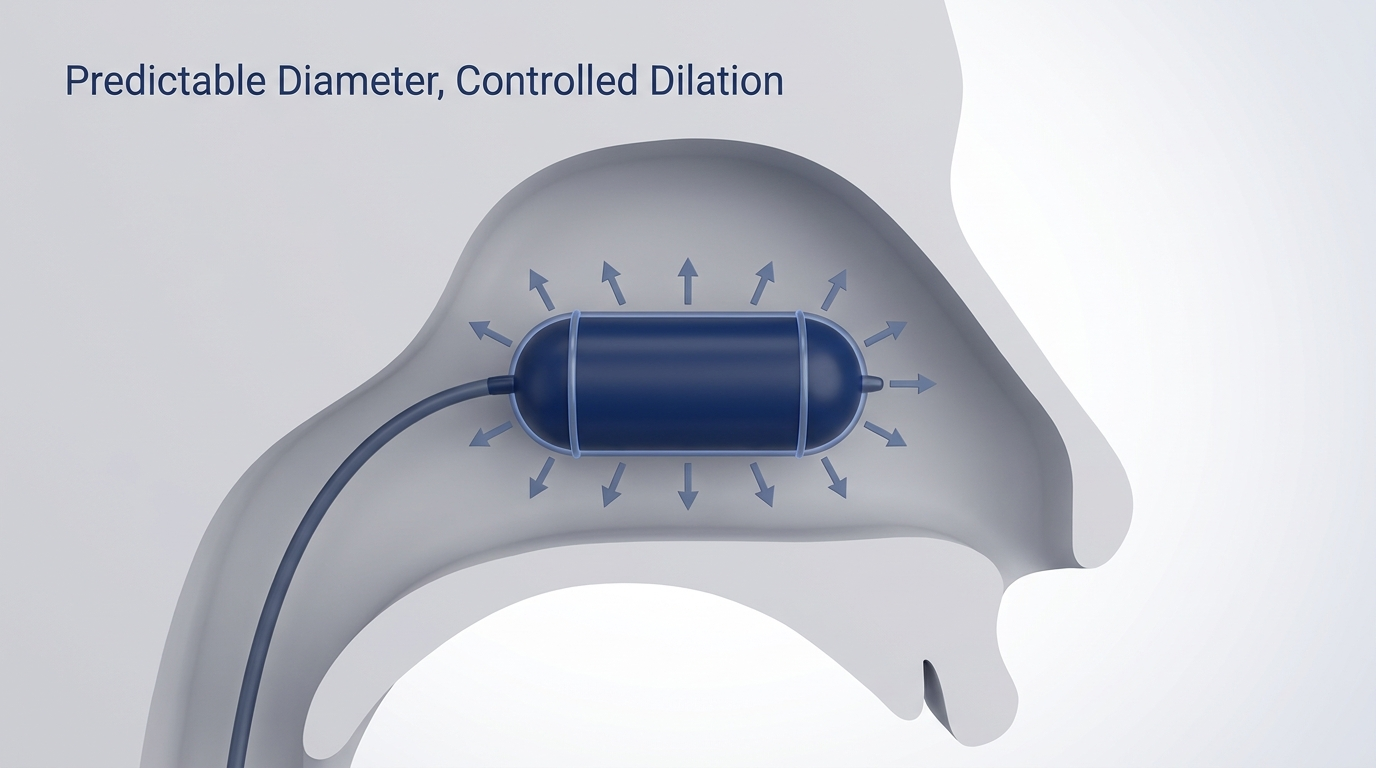
Understanding the Nasal Valve: Why It Matters for Breathing
If you’ve ever felt “stuffy” even when you’re not sick—or you can breathe fine sitting still but struggle during exercise or at night—one small area inside your nose may be playing an outsized role: the nasal valve.
Definition (quick guide)
The nasal valve is the narrowest part of the nasal airway and the main regulator of airflow resistance. (Compton, 2017; PMC/NIH, 2023)
A helpful way to picture it: if the nasal airway is a hallway, the nasal valve is the tightest doorway in that hallway. Most of the time, it works beautifully. But when that “doorway” gets a little smaller—or the sidewall becomes a little less stable—you can feel a big change in airflow.
What Is the Nasal Valve (and Where Is It)?
The “narrowest point” of the nasal airway
Inside each side of your nose, there’s a naturally tight region where airflow has the least room to pass. This region is the primary site of nasal airflow resistance—meaning it’s the most common place where small changes can make breathing feel noticeably harder. (Compton, 2017; Cleveland Clinic, 2025; PMC/NIH, 2023)
Because it’s already narrow, even mild structural narrowing, weakness of the sidewall, or crowding from nearby structures can create a “bottleneck” effect. Many patients describe this as “I’m not congested, but it feels like the air can’t get through.” That distinction—blocked feeling without much mucus—often points clinicians to look closely at this area.
Internal vs. external nasal valve (simple breakdown)
Clinicians often talk about two related areas: (Cleveland Clinic, 2025)
- Internal nasal valve: Deeper inside the nose; this is the most important zone for everyday airflow and is commonly involved in functional breathing problems.
- External nasal valve: Closer to the nostril opening; in some people, weakness here can contribute to visible narrowing or collapse with a deep breath in.
A clinician might describe the internal valve as the key “flow regulator,” and the external valve as the “front entrance support.” Problems can occur in either zone—or both—so a full exam matters.
— A small change at the narrowest point can create a big change in how you breathe. —

Why the Nasal Valve Matters for Breathing Quality
How small changes can create big breathing problems
Airflow through the nose is sensitive to small shifts in space. When the narrow region becomes even slightly tighter, nasal airflow resistance rises, and breathing can feel restricted—especially during exercise, when your body demands more air, or during sleep, when tissues relax. (PMC/NIH, 2023; Cleveland Clinic, 2025)
In real life, this can look like: you’re fine at your desk, but when you jog, climb stairs, or lie down, you suddenly feel like you “can’t get a full breath through your nose.” That pattern can be frustrating because it doesn’t always correlate with how you look (no runny nose, no obvious cold) or how you respond to allergy medications. For a deeper dive on exertion-related airflow, see why breathing feels harder during exercise.

Symptoms that may point to narrowing or collapse
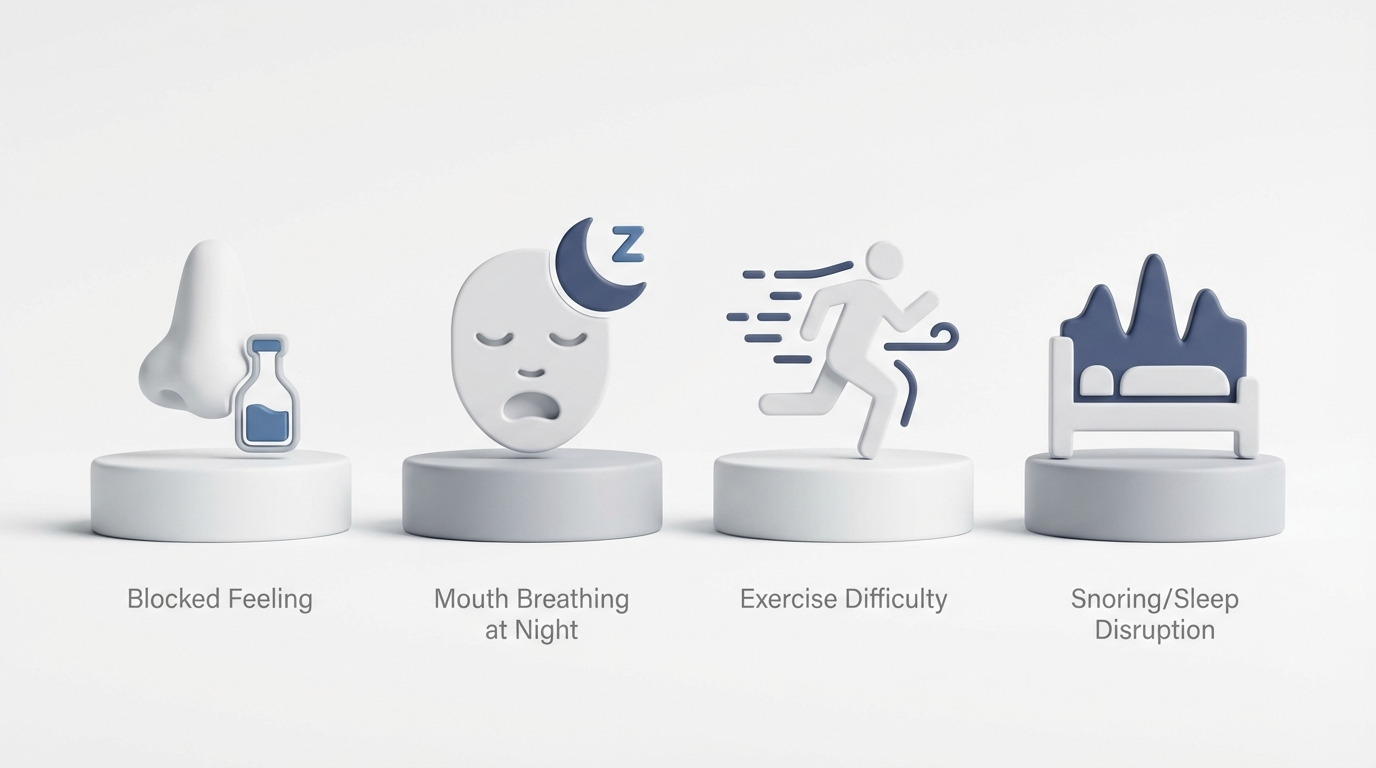
When the nasal valve area is narrowed or weak (often described as nasal valve collapse), people commonly notice: (Cleveland Clinic, 2025; Associates of Otolaryngology Denver, 2024)
- A blocked or congested feeling (sometimes without much mucus)
- Nasal obstruction that doesn’t match the severity of allergies
- Mouth breathing, especially at night
- Breathing difficulty during workouts (you may also like: why breathing feels harder during exercise)
- Snoring (related reading: deviated septum and snoring)
- Fragmented sleep and potential worsening of sleep apnea symptoms in some people
One clinician-friendly way to summarize the symptom pattern is: “If the nose feels more ‘narrow’ than ‘inflamed,’ the valve region deserves a close look.” (Cleveland Clinic, 2025)
— Small structural narrowing can feel minor at rest but major during exertion or sleep. —
What Causes Nasal Valve Collapse or Narrowing?
Anatomy you’re born with (normal variation)
Some people naturally have a narrower internal valve angle or weaker cartilage support along the sidewall of the nose. That doesn’t mean anything is “wrong”—but it can make someone more prone to symptoms if swelling or structural crowding develops later. (PMC/NIH, 2023; Compton, 2017)
In practical terms, this is why two people with similar allergies can feel very different: one person’s nasal valve has “extra room to spare,” and the other person’s valve starts closer to its minimum.
Deviated septum and structural crowding
A deviated septum can take away space right where airflow is already tight. Think of it as shifting a wall inward in the narrowest hallway of the house. When deviation is near the tight airflow zone, it can worsen resistance and contribute to chronic nasal obstruction. (Associates of Otolaryngology Denver, 2024; PMC/NIH, 2023)
If you want a deeper anatomy explanation, see deviated septum causes and nasal anatomy.
Trauma or injury
A prior nasal fracture or impact can weaken cartilage support or change alignment, which may contribute to nasal valve collapse symptoms over time. (Cleveland Clinic, 2025)
Some people don’t connect the dots because the injury happened years earlier. But small support changes can matter more at the nasal valve than they would elsewhere in the airway, simply because it’s the narrowest segment to begin with.
Prior nasal surgery (including rhinoplasty or septoplasty)
In some cases, surgery can unintentionally change support structures in the nose, leading to narrowing or weakness. When the internal support is altered, breathing can worsen even if the nose looks normal externally. (Cleveland Clinic, 2025; RhinoplastyArchive resources)
This is one reason ear, nose, and throat (ENT) specialists and facial plastic surgeons emphasize function and structure—not just appearance—when evaluating persistent obstruction after prior procedures.
Inflammation vs. structure (why sprays don’t always work)
Swelling from allergies or irritants can often improve with medical therapy. But if symptoms are mostly from structure—like a narrowed internal angle, weak sidewall support, or a deviated septum—sprays alone may not fully solve the problem. (Cleveland Clinic, 2025; Macdonald, 2025) If you’re unsure which is more likely, this comparison can help: deviated septum vs. allergies (how to tell the difference).
— Often, more than one factor—structure plus swelling—drives symptoms. —

The Internal Nasal Valve’s “Hidden” Role in Sinus and Ear Function
Airflow isn’t just about breathing comfort
The internal nasal valve isn’t only about the sensation of airflow. Research also discusses its relationship to sinus and middle ear ventilation, meaning abnormal airflow patterns or structural narrowing can overlap with other head and facial symptoms in some patients. (PMC/NIH, 2023)
In other words, the nasal airway functions as part of a larger pressure-and-ventilation system. When airflow is disrupted, some people report symptoms that feel “sinus-y” or “pressure-like,” even when infection isn’t the main issue.
When blocked airflow may overlap with sinus pressure or ear complaints
Some people with structural narrowing report facial pressure, sinus-type symptoms, or ear fullness. These symptoms can have multiple causes, so evaluation matters—but the airflow pathway is part of the overall system. (PMC/NIH, 2023)
A reassuring note: these overlap symptoms don’t automatically mean something serious is going on—but they do support getting an exam when symptoms are persistent or disruptive.
— Airflow through the valve influences more than comfort—it can affect pressure and ventilation patterns, too. —
How ENTs Diagnose Nasal Valve Problems
What a clinician looks for during an exam
An ENT evaluation typically includes: (Cleveland Clinic, 2025)
- External and internal visual inspection
- Assessment of the septum and turbinates (the curved, scroll-like structures that warm and humidify air and can swell)
- Nasal endoscopy in many cases to evaluate deeper anatomy (a thin, lighted camera gently inserted into the nose)
Patients often expect one “single cause,” but ENTs commonly find a combination—such as mild septal deviation plus turbinate swelling plus valve narrowing. That’s important, because the best treatment plan usually targets the true driver(s) of resistance.
Simple “support” maneuvers may suggest collapse
A clinician may gently support the sidewall of the nose during breathing. If airflow temporarily improves, it can be a helpful clue that weakness or narrowing in the valve region may be contributing—though it’s not a stand-alone diagnosis. (Cleveland Clinic, 2025; Compton, 2017)
You might hear this described in plain language as: “When we stabilize that sidewall, the breathing improves—so support is likely part of the problem.”
Imaging when needed (CT, etc.)
CT imaging is often used when sinus disease is suspected or anatomy is complex. However, valve-related narrowing can be largely a clinical diagnosis based on symptoms and physical exam. (PMC/NIH, 2023)
— A focused exam by an ear, nose, and throat (ENT) specialist is the fastest way to identify the real airflow bottleneck. —
Treatment Options: From Conservative Relief to Structural Correction
Conservative options for mild or temporary blockage
Depending on the situation, an ENT may recommend:
- Allergy management when relevant
- Nasal saline irrigation
- Short-term use of decongestants (with guidance—topical nasal decongestants should generally not be used for more than 3 days to avoid rebound congestion)
- Intranasal corticosteroid sprays when swelling is a major factor (Cleveland Clinic, 2025; Macdonald, 2025)
These approaches are most helpful when inflammation is a major contributor. They can also be a useful “first step” even when structure matters, because reducing swelling may clarify how much obstruction remains from anatomy alone.
When medications aren’t enough (structural problems)
A key point: when symptoms are driven mainly by structure, procedural or surgical correction is often needed to meaningfully change the airway—especially when the tight airflow region is involved. (Cleveland Clinic, 2025; Associates of Otolaryngology Denver, 2024) Treatment decisions are individualized and based on your anatomy, goals, and overall health.
This is where many patients feel validated: it’s not that they “didn’t try hard enough” with sprays—it’s that the limiting factor is the shape or stability of the airway.
Procedure and surgery categories (high-level, patient-friendly)
Your plan may include:
- Nasal valve repair approaches that strengthen or rebuild support to improve stability and airflow (RhinoplastyArchive; SH Facial Plastics resource)
- Septoplasty when a deviated septum is a major contributor to crowding and resistance (PMC/NIH, 2023)
Some patients need one category; others benefit from a combined approach, especially if the septum is crowding the valve region and the sidewall is also weak.
— When swelling isn’t the main driver, lasting relief usually requires addressing structure. —
Where Balloon-Assisted Septoplasty Fits (ClearPath Context, Educational Tone)
Minimally invasive septal straightening—why it’s being explored
When septal deviation contributes to airflow resistance near the valve region, improving septal alignment may improve breathing by reducing crowding at the narrowest point. (PMC/NIH, 2023)
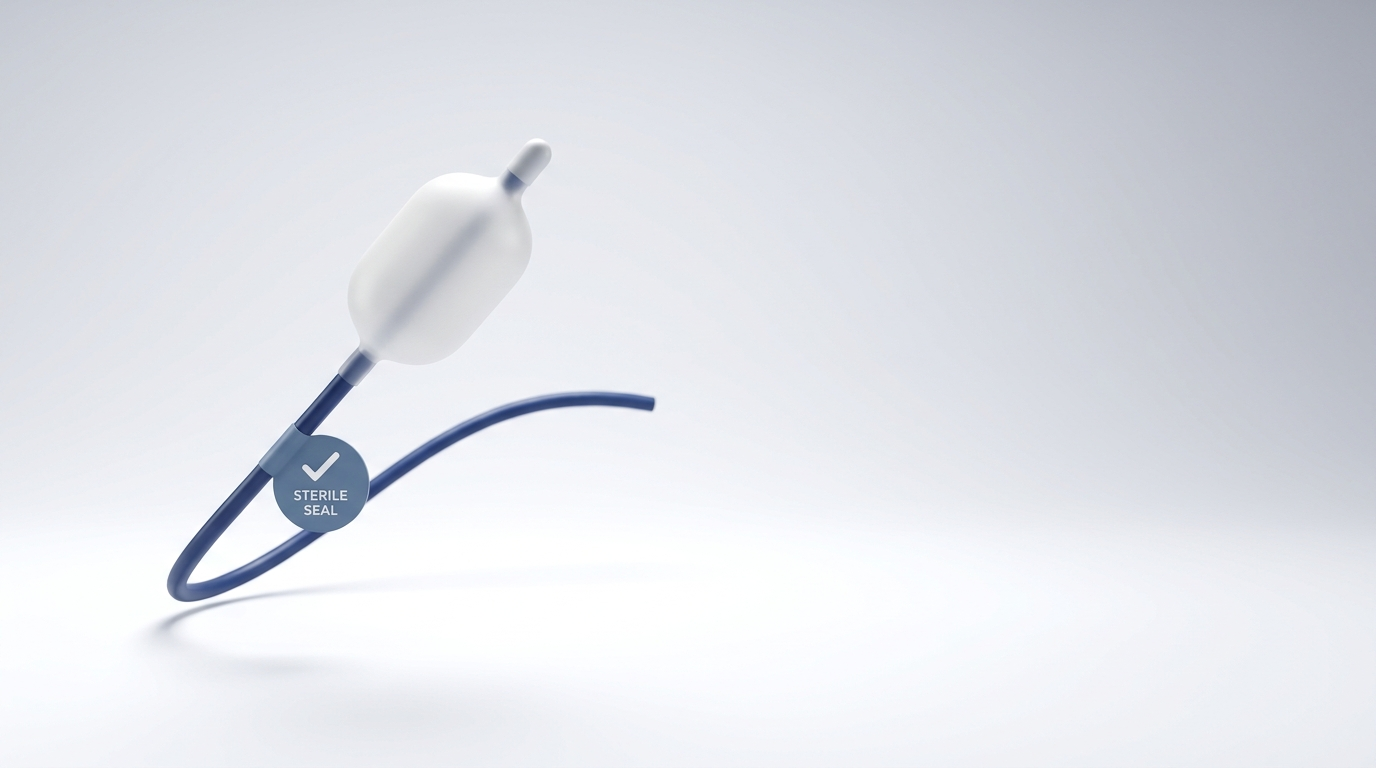
This is where ClearPath may be relevant. The ClearPath Nasal Balloon is a device used in balloon-assisted endoscopic septoplasty techniques designed to help reshape and reposition deviated septal areas in a targeted way. For some appropriately selected patients, this may be considered an alternative to more traditional septoplasty steps. For a patient-friendly walkthrough, see how the ClearPath Nasal Balloon works (step-by-step).
ClearPath Nasal Balloon (CNB) and balloon-assisted endoscopic septoplasty: what early outcomes show
In a retrospective series evaluating balloon-assisted endoscopic septoplasty using the ClearPath Nasal Balloon device, early outcomes included: (Dillard et al., 2026)
- Safety in 107 cases: No major complications reported in the series (including septal perforation, hematoma, or synechia).
- CT-confirmed alignment improvement: In patients with pre- and post-op CT imaging, there was a 45% mean improvement at the point of maximal deviation and 22% at the nasolacrimal duct level (p = 0.005).
- Symptom improvement: SNOT-22 scores decreased by about 24% at one month, with notable improvements in congestion, facial pressure/headache, and sleep quality domains.
- Potential efficiency advantages: The technique may reduce the need for steps like flap elevation, suturing, and packing, which may lessen procedural trauma and anesthesia time in appropriate cases.
Early outcomes from one retrospective study suggest safety and potential efficacy, though further research is ongoing to confirm long-term benefits and define ideal candidates. Individual results vary, and not everyone will be a candidate for balloon-assisted approaches.
Only an ENT evaluation can determine whether nasal valve repair, septoplasty, or another approach is appropriate.
If nighttime symptoms are a major concern, you may also find this helpful: deviated septum and sleep apnea—can ClearPath improve breathing at night?
— Your candidacy for any procedure depends on exam findings, goals, and a shared plan with your surgeon. —

When to Seek Medical Evaluation (Red Flags + Practical Triggers)
Signs you should not ignore
Consider scheduling an evaluation if you have: (Cleveland Clinic, 2025)
- Persistent one-sided blockage
- Breathing issues that affect sleep, exercise, or quality of life
- Snoring plus choking/gasping or significant daytime sleepiness (may warrant sleep apnea screening—evaluation can include a sleep study)
What to ask at your appointment
Useful questions include:
- “Is my obstruction due to swelling, structure, or both?”
- “Do I have nasal valve collapse, a deviated septum, or turbinate enlargement?”
- “What are the pros and cons of conservative options versus a procedure?” (Cleveland Clinic, 2025)
— If symptoms persist or impact sleep and exercise, it’s time to get checked. —
FAQs (SEO Section)
Can nasal valve collapse cause snoring or sleep apnea?
It can contribute. Reduced nasal airflow may increase mouth breathing and airway turbulence, which can worsen snoring and may aggravate sleep-disordered breathing in some people. If sleep apnea is suspected, evaluation may include a sleep study. (Cleveland Clinic, 2025)
Why do I feel congested if allergy meds don’t help?
If medications reduce inflammation but the primary issue is structural (such as a deviated septum, weak sidewall support, or narrowing in the valve region), you may still feel obstructed. (Associates of Otolaryngology Denver, 2024; Macdonald, 2025)
Is nasal valve collapse the same as a deviated septum?
Not exactly. A deviated septum is an alignment issue of the septal “wall,” while collapse refers to narrowing or weakness of the airway’s side support. Many patients have a combination, which is why a complete exam matters. (PMC/NIH, 2023)
Can nasal valve problems come back after surgery?
Symptoms can recur depending on healing, ongoing inflammation, individual anatomy, and whether multiple sources of obstruction were addressed initially. Following your surgeon’s post-procedure guidance and attending follow-up visits can help reduce this risk. (Cleveland Clinic, 2025; RhinoplastyArchive) Related reading: can nasal obstruction come back after surgery?
Key Takeaways (Short Summary for Patients)
- The nasal valve region is the narrowest part of the nasal airway and the main point of airflow resistance. (Compton, 2017; PMC/NIH, 2023)
- Narrowing or weakness can contribute to nasal obstruction, snoring, and sleep disruption. (Cleveland Clinic, 2025)
- Sprays may help swelling, but structural issues often need structural treatment (such as septal correction and/or nasal valve repair). (Cleveland Clinic, 2025; Macdonald, 2025)
- An ENT evaluation can identify whether the valve region, septum, turbinates, or multiple factors are involved. (Cleveland Clinic, 2025)
CTA
If nasal blockage is affecting your sleep, workouts, or daily comfort, schedule a visit with your local ENT—and ask whether your symptoms suggest nasal valve narrowing/collapse, septal deviation, and whether balloon-assisted options like ClearPath could be an appropriate alternative to more traditional approaches in your specific case.
Sources
- Compton A. “The Nasal Valves.” Andrew Compton, MD. 2017. https://www.andrewcomptonmd.com/the-nasal-valves/
- Associates of Otolaryngology (Denver). “The Nasal Valve: What Is It and How Does It Affect Your Breathing?” 2024. https://www.denvercoloradoearnosethroatallergysinusdoctors.com/the-nasal-valve-what-is-it-and-how-does-it-affect-your-breathing/
- Cleveland Clinic. “Nasal Valve Collapse.” 2025. https://my.clevelandclinic.org/health/diseases/24977-nasal-valve-collapse
- PMC (NIH). Article on nasal valve/internal nasal valve concepts and airflow. 2023. https://pmc.ncbi.nlm.nih.gov/articles/PMC3738809/
- Macdonald M. “Nasal Valve Collapse: What It Is and How It’s Treated.” 2025. https://www.drmmacdonald.com/blog/nasal-valve-collapse-what-it-is-and-how-its-treated
- Dillard JD, Koudouovoh C, Lee V, et al. “Outcomes of force-directed balloon-assisted endoscopic septoplasty: a retrospective analysis with a new technique and device.” Rhinology Online. 2026;9:18–23. http://doi.org/10.4193/RHINOL/25.018
Disclaimer
This article is for educational purposes only and is not medical advice. Please consult a qualified healthcare provider for diagnosis and treatment.

Dr. David G. Dillard
Author
Share it with others!