Understanding Septal Spurs and Bone Deformities
If you’ve been told you have a “spur” or “bone deformity” in your nose, it can sound alarming. In most cases, these are common anatomy variations—not dangerous—and many people never notice them.
Still, certain septum shapes can contribute to bothersome symptoms like nasal obstruction, pressure, or headaches. This guide explains what septal spurs are, how ENTs diagnose them (often with nasal endoscopy and sometimes CT scan/CBCT imaging), and what treatment options—including septoplasty and newer minimally invasive approaches—may help.
A helpful way to think about it: the nasal septum is like the center divider in a two-lane tunnel. A gentle curve may not matter. But a sharp “ridge” sticking out into the lane can create turbulence, narrow the passage, or irritate the lining—especially when swelling from allergies or a cold is added on top.
This article is for educational purposes only and is not medical advice. Please consult a qualified healthcare provider for diagnosis and treatment.

What Is a Septal Spur (and How Is It Different From a Deviated Septum)?
Septal spur definition (simple explanation)
A septal spur is a localized bony (or bone-cartilage) projection on the nasal septum—the wall that separates the left and right nasal passages. It’s often described as a small “spike” or “ridge” projecting from the septum. (Perić, 2018; Nasal Septal Deviation: A Comprehensive Narrative Review, 2022)
If a deviated septum is like a hallway wall that bows to one side, a spur is more like a small corner ledge that sticks out. On its own, a spur may be silent. When it narrows an already tight space—or touches the tissue next to it—it can become noticeable.
How septal spurs relate to a deviated septum
A deviated septum means the septum is shifted or bent to one side. Spurs frequently occur alongside septal deviation and may worsen airflow problems or create a painful “contact point” where the spur touches nearby tissue. (Perić, 2018; Narrative Review, 2022)
Clinically, ENTs often see these together: a broader deviation sets the stage, and a spur becomes the “hot spot” that creates irritation or obstruction. Two people can have a similar-looking deviation, but the person with a contact point may feel much worse.
“Bone deformities” in the nose—what patients should know
When patients hear “bone deformity,” they often worry about disease. In ENT conversations, this term usually means differences in shape or position, such as:
- Deviated septum
- Turbinate enlargement (swollen tissue shelves inside the nose)
- A narrow nasal valve area (the tightest part of the nasal airway)
These are structural issues, not typically signs of a dangerous bone condition. In this context, “bone deformity” refers to an anatomic variation in shape or position—not a disease process or tumor.
A common ENT reassurance is: “This is anatomy, not a tumor.” The key question isn’t whether the septum is perfectly straight—it’s whether the structure is contributing to symptoms that affect your daily life.
In short: a spur is a shape issue that matters only if it meaningfully affects airflow or creates a painful contact point.
How Common Are Septal Deviations and Spurs?
Deviated septum is common (and often symptom-free)
A deviated septum is extremely common, and reported prevalence varies widely depending on how it’s defined and measured—roughly ~26% to 86.6% in reviews and studies. (Narrative Review, 2022; IJORL)
That big range is important. Some studies count only deviations that clearly narrow airflow; others include minor shifts seen on exam or imaging. So if you’ve been told you have a deviation, it doesn’t automatically mean it’s the cause of your symptoms.
Why some people have no issues while others do
Symptoms often depend less on “how crooked it looks” and more on whether:
- Airflow is significantly blocked, and/or
- A spur creates a contact point (touching the turbinate or lateral nasal wall)
That’s why two people with similar anatomy on imaging can feel very different day-to-day.
For example, one person may notice trouble only during allergy season (when the lining swells and the “gap” gets tighter). Another may feel blocked year-round if the spur sits in a spot that mechanically narrows airflow even when inflammation is minimal.
Bottom line: many deviations and spurs are incidental; symptoms—not pictures—should guide decisions.

Symptoms: When a Septal Spur Becomes a Problem
Nasal blockage and breathing difficulty
The most common complaint in symptomatic septum problems is nasal obstruction. In one clinical study of symptomatic patients, obstruction was reported in about ≈86%. (IJORL)
Patients often describe this as:
- “One side always feels plugged,” or
- “I can breathe in, but exhaling feels restricted,” or
- “I’m fine during the day, but at night I mouth-breathe.”
Because nasal airflow naturally alternates sides during the day (the normal nasal cycle), it can take a focused history and exam to separate normal fluctuation from a structural bottleneck.

Contact-point headache (rhinogenic headache)
A septal spur can press against nearby nasal tissue and trigger pain via mucosal contact—sometimes felt as facial pressure or headache. (Perić, 2018) This is often called a contact-point headache (or rhinogenic contact headache). The concept and diagnosis can be complex and remain somewhat debated; response to appropriate medical therapy, endoscopic findings, and selective testing all help build the case.
Learn more about contact-point headaches and treatment pathways: how septoplasty can relieve pressure headaches (https://www.clearpathnasal.com/blog/deviated-septum-headaches-how-septoplasty-can-relieve-pressure).
Referred ear symptoms (otalgia, tinnitus)
In some cases, contact points inside the nose are associated with referred ear pain (otalgia) or tinnitus. This doesn’t mean the ear is damaged—rather, shared nerve pathways may “refer” discomfort. (Perić, 2018)
Related read: Ear symptoms connection (otalgia/tinnitus tie-in) (https://www.clearpathnasal.com/blog/can-a-deviated-septum-cause-ear-problems).
Symptoms that can overlap with allergies or sinus problems
Congestion, pressure, and headaches can also be caused by:
- Allergic rhinitis
- Viral colds
- Chronic sinusitis
- Migraine and other headache disorders
Because symptoms overlap, diagnosis usually requires an exam—symptoms alone can’t confirm a nasal septal spur as the true cause. For a deeper comparison, see deviated septum vs allergies (https://www.clearpathnasal.com/blog/deviated-septum-vs-allergies-how-to-tell-the-difference).
A practical clue: if symptoms persist despite consistent medical therapy—especially when one-sided—structure is more likely to be part of the problem.
What Causes a Septal Spur?
Anatomy and growth patterns
Spurs may form where cartilage and bone meet and where the septum bends over time with growth and development. (Narrative Review, 2022) For more on background anatomy and contributors, see what causes a deviated septum (https://www.clearpathnasal.com/blog/deviated-septum-causes-understanding-your-nasal-anatomy).
Injury/trauma and prior nasal changes
Nasal injury (even years earlier) can contribute to septal deviation and spur formation in some people. (Mayo Clinic) Some patients recall a sports injury or childhood accident; others don’t. Either way, treatment is based on current symptoms and exam—not whether you can pinpoint when it happened.
Think of spurs as the outcome of how your nose developed and healed over time—often a normal variation rather than a sign of disease.

How ENTs Diagnose Septal Spurs
History and symptom pattern
Your ENT will usually ask about:
- One-sided vs. two-sided blockage
- Sleep disruption or mouth breathing
- Headache triggers (especially if pressure is linked to congestion)
- Any ear pain/tinnitus without a clear ear diagnosis
- What you’ve already tried—saline, allergy medications, nasal sprays—and how you responded
Nasal endoscopy (key in-office exam)
Nasal endoscopy uses a small camera to look inside the nose. It helps the ENT assess:
- Septal deviation and spur location
- Whether there’s a contact point
- Turbinate swelling
- Other contributors (polyps, inflammation)
This is one of the most useful tools for determining what’s actually blocking airflow. (Perić, 2018; Narrative Review, 2022)
CT scan or CBCT imaging (when it helps)
A CT scan/CBCT can be helpful when:
- The anatomy is complex
- Symptoms are significant and surgery is being considered
- The ENT needs detailed mapping of bony anatomy for planning
Imaging can confirm a septal spur, show its size/position, and clarify other contributors to nasal obstruction. (Perić, 2018; Narrative Review, 2022) It’s also useful to exclude other causes of facial pressure. Imaging is not always required—many cases can be evaluated and managed based on history and endoscopy.
The topical lidocaine test for contact-point pain (an important clue)
If a contact-point headache is suspected, an ENT may apply topical lidocaine (numbing medicine) to the likely contact area. If pain improves temporarily, that supports a contact-point source. (IJORL; Perić, 2018) This does not prove the nose is the only cause, and the diagnosis can be nuanced and debated; it’s one data point among several.
Accurate diagnosis often blends your story, endoscopic findings, and—when needed—targeted testing or imaging.
Treatment Options for Septal Spurs (From Conservative Care to Surgery)
Step 1—medical therapy for inflammation (symptom control)
Medication won’t remove bone, but it can reduce swelling around a narrow area and improve airflow symptoms. Common options include:
- Saline rinses
- Allergy management (when appropriate)
- Nasal steroid sprays as directed
This “calm the lining down” approach is a reasonable first step, especially if symptoms fluctuate. (Narrative Review, 2022; Mayo Clinic)
When surgery is considered
Surgery may be discussed when there’s:
- Persistent nasal obstruction despite medical therapy
- A confirmed contact-point headache pattern (especially if lidocaine testing helps)
- Meaningful quality-of-life impact (sleep, exercise tolerance, daily comfort)
(Perić, 2018; Narrative Review, 2022; Mayo Clinic)
Surgery is not recommended solely because the septum is crooked on exam or imaging; symptoms and quality-of-life impact must align with the anatomy.
Septoplasty and targeted spur removal (standard definitive approach)
For patients whose symptoms match the anatomy, septoplasty (often with targeted removal of a septal spur) can improve airflow and reduce contact symptoms. Overall, septoplasty tends to have high satisfaction when patient selection is appropriate. (Narrative Review, 2022; Mayo Clinic)
For a broader overview, see Deviated septum symptoms and modern treatment options (https://www.clearpathnasal.com/blog/deviated-septum-explained-symptoms-causes-and-modern-treatment-options).
The right plan usually starts with calming inflammation; structural correction is considered when symptoms clearly match what your ENT sees.

Minimally Invasive Approaches: Balloon-Assisted Endoscopic Septoplasty (ClearPath Context)
How balloon-assisted septoplasty differs from traditional techniques
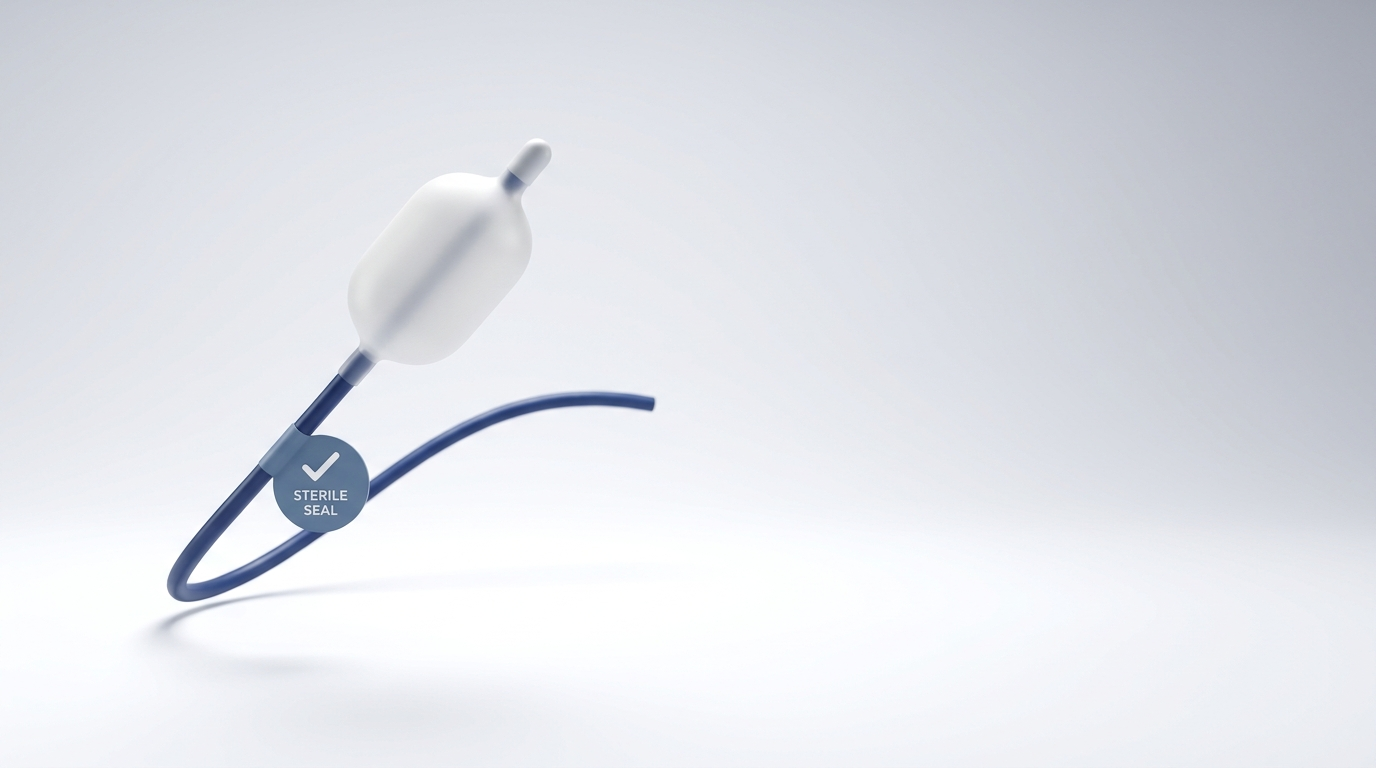
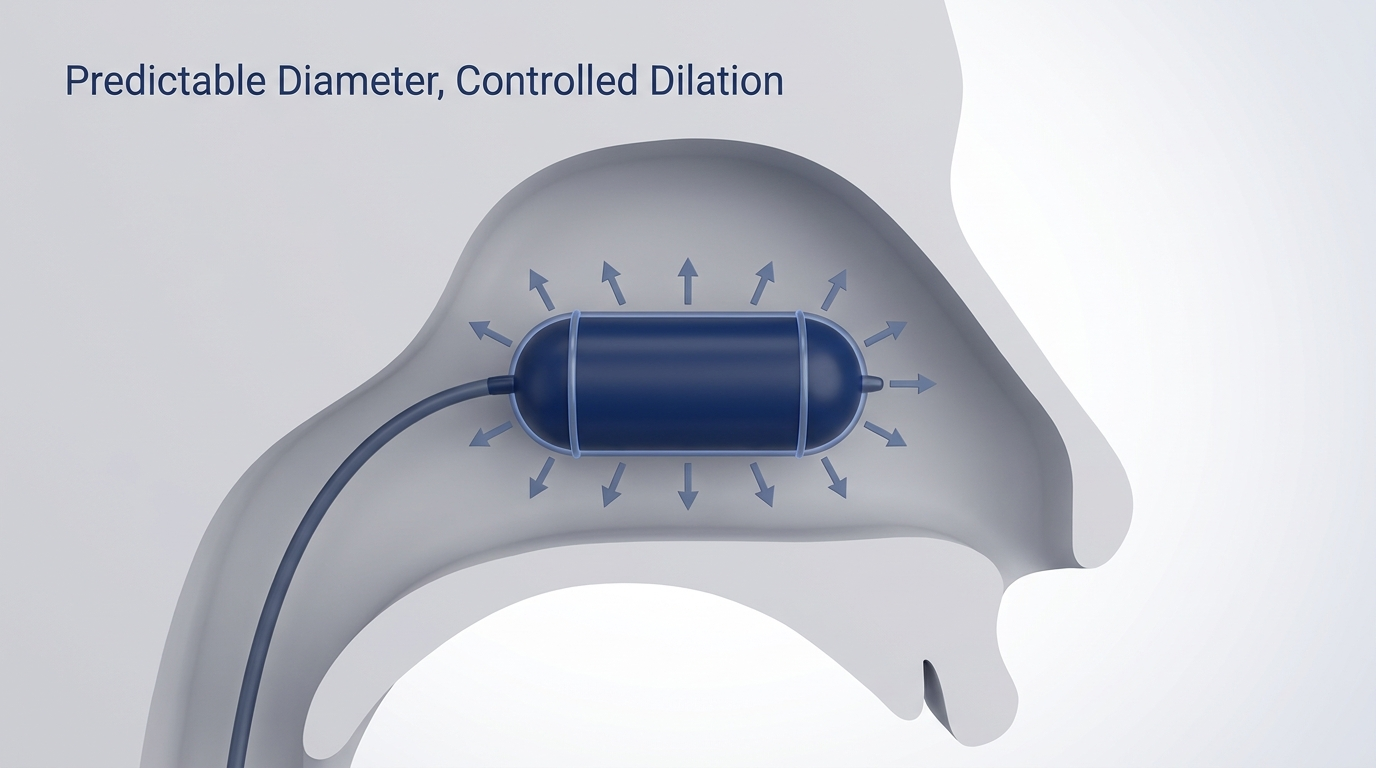
Balloon-assisted endoscopic septoplasty uses endoscopic visualization with controlled force to mobilize septal deformities. One example is the ClearPath Nasal Balloon, a commercial device designed to help reposition septal deformities using a balloon-assisted method under endoscopic guidance. For basics, see balloon septoplasty (https://www.clearpathnasal.com/blog/what-is-balloon-septoplasty-a-minimally-invasive-option-for-deviated-septum).
The goal is to correct the structural issue while potentially reducing tissue disruption compared with more extensive flap-based techniques. Candidacy depends on anatomy, symptoms, and ENT evaluation.
What early outcomes research suggests (device-specific evidence)
In a retrospective analysis of balloon-assisted endoscopic septoplasty using the ClearPath Nasal Balloon device:
- 107 cases were reviewed, and no major complications were observed in that series (including no reported septal perforation, hematoma, or synechia). (Dillard et al., 2026)
- Patient-reported symptoms improved: SNOT-22 decreased ~24% at one month, with notable improvements in congestion, pressure/headache, and sleep. (Dillard et al., 2026)
- In a subset with CT imaging, septal alignment improved by ~45% at maximal deviation and ~22% at the nasolacrimal duct (p=0.005). (Dillard et al., 2026)
While these data are promising, they reflect a specific technique, time frame, and patient selection. More extensive, comparative studies are needed to fully establish safety and efficacy relative to traditional septoplasty. Your ENT can help interpret what these findings might mean for your anatomy and goals.
Who may be a good candidate (high-level, non-prescriptive)
A less invasive option may be worth discussing if you have:
- Ongoing nasal obstruction linked to septal anatomy
- A septal spur contributing to a contact point on exam
- Interest in options that may involve less tissue disruption
An ENT still needs to confirm the cause (often with nasal endoscopy and sometimes CT/CBCT) and review expected benefits and tradeoffs.
Minimally invasive options can be appropriate for select patients, but they are alternatives—not replacements—for traditional approaches.
What Recovery and Results Typically Look Like
Expected improvements
If symptoms truly stem from anatomy, successful treatment can lead to:
- Better nasal airflow and less congestion
- Reduced contact-point headache in confirmed cases
- Possible improvement in referred ear symptoms when a contact point is the driver
(Perić, 2018; Mayo Clinic)
A practical way to measure success is functional: breathing comfortably through the nose during sleep, exercise, and everyday activities—without constantly thinking about your nose.
Realistic expectations
- Not every headache is caused by nasal contact points. Migraines and sinus-type symptoms can overlap.
- Allergies and inflammation may still require ongoing care, even after structural correction.
The best outcomes often come from a combined approach: address structure when it’s a true bottleneck, and keep inflammation controlled.
When to See an ENT (Red Flags and Next Steps)
Book an evaluation if you have:
- Ongoing one-sided blockage
- Facial pain/headaches linked to nasal congestion
- Ear pain/tinnitus without a clear ear cause
- Symptoms not improving with consistent medical therapy
If these symptoms sound familiar, schedule an evaluation with your local ENT. Ask what they see on nasal endoscopy, whether imaging (CT/CBCT) would be useful, and discuss the full range of options—including traditional septoplasty and minimally invasive alternatives like ClearPath if you’re a candidate.
Seek urgent care if:
- You experience significant nosebleeds, rapidly worsening pain, fever, or new neurological symptoms
If symptoms persist or are one-sided and unresponsive to therapy, an ENT evaluation is the next best step.
Frequently Asked Questions (FAQ)
Can a septal spur go away on its own?
Bone spurs typically don’t “dissolve,” but symptoms can fluctuate depending on swelling, allergies, or infections.
Will nasal sprays fix a septal spur?
Sprays can reduce inflammation and swelling, which may improve airflow, but they don’t remove bone. (Mayo Clinic; Narrative Review, 2022)
Can a septal spur cause headaches and ear symptoms?
It can, especially when it creates a mucosal contact point. Topical lidocaine testing may help support that the pain is contact-related, but diagnosis can be complex. (Perić, 2018; IJORL)
Do I need a CT scan?
Not always. Nasal endoscopy is often the key exam. CT/CBCT is typically used when it will change management—especially for surgical planning or complex anatomy. (Perić, 2018; Narrative Review, 2022)
Summary: Key Takeaways
- A septal spur is a focal bony projection on the nasal septum, often occurring with a deviated septum.
- It may contribute to nasal obstruction, contact-point headache, and occasionally referred ear symptoms.
- Diagnosis often relies on nasal endoscopy, with CT/CBCT used selectively; a lidocaine test can support contact-point pain.
- Treatment often starts with inflammation control; persistent, anatomy-matched symptoms may improve most with septoplasty and targeted correction.
- Balloon-assisted endoscopic septoplasty using the ClearPath Nasal Balloon is a minimally invasive approach with promising early retrospective data, but larger comparative studies are still needed. (Dillard et al., 2026)
Let symptoms, quality of life, and a careful ENT exam—not just images—guide your next steps.
References
- Perić A. Nasal Septal Spur Associated with Rhinogenic Contact Point Otalgia and Tinnitus. 2018. https://pmc.ncbi.nlm.nih.gov/articles/PMC6391278/
- Nasal Septal Deviation: A Comprehensive Narrative Review. 2022. https://pmc.ncbi.nlm.nih.gov/articles/PMC9736816/
- Prevalence and clinical features of nasal septum deviation (IJORL). https://www.ijorl.com/index.php/ijorl/article/view/548
- Mayo Clinic. Deviated Septum: Symptoms & Causes. https://www.mayoclinic.org/diseases-conditions/deviated-septum/symptoms-causes/syc-20351710
- Dillard JD, Koudouovoh C, Lee V, et al. Outcomes of force-directed balloon-assisted endoscopic septoplasty: a retrospective analysis with a new technique and device. Rhinology Online. 2026;9:18–23. http://doi.org/10.4193/RHINOL/25.018
Internal resources
- What causes a deviated septum (nasal anatomy and septum deviation causes): https://www.clearpathnasal.com/blog/deviated-septum-causes-understanding-your-nasal-anatomy
- Deviated septum vs allergies—how to tell the difference: https://www.clearpathnasal.com/blog/deviated-septum-vs-allergies-how-to-tell-the-difference
- Contact-point headaches—how septoplasty can relieve pressure: https://www.clearpathnasal.com/blog/deviated-septum-headaches-how-septoplasty-can-relieve-pressure
- What is balloon septoplasty? A minimally invasive option: https://www.clearpathnasal.com/blog/what-is-balloon-septoplasty-a-minimally-invasive-option-for-deviated-septum
This article is for educational purposes only and is not medical advice. Please consult a qualified healthcare provider for diagnosis and treatment.

Dr. David G. Dillard
Author
Share it with others!