The Hidden Costs of Untreated Nasal Obstruction
A blocked nose can feel like a minor inconvenience—until it starts affecting your sleep, mood, and ability to function at work or school. Untreated nasal obstruction (often experienced as chronic nasal congestion) can quietly create ripple effects that add up over months or years: lower sleep quality, productivity loss, more healthcare visits, and even mental health strain.
Many people don’t seek care because they’ve found workarounds: sleeping propped up, carrying tissues everywhere, avoiding exercise, or cycling through sprays and pills. But adapting isn’t the same as treating the root cause—especially when the cost shows up in energy, focus, and quality of life.
Below is a patient-friendly look at what nasal obstruction really means, why it’s so common, and what treatment options may address the root cause—not just the symptom.
What “Nasal Obstruction” Really Means (And Why It’s Not Just Annoying)
“Nasal obstruction” is the sensation that air isn’t moving well through one or both nostrils. It can be intermittent (like during a cold) or persistent. Some people describe it as “breathing through a straw,” especially when lying down or exercising.
Common symptoms patients notice
Many people describe:
- A stuffy or blocked nose
- Mouth breathing (especially at night)
- Reduced sense of smell
- Facial pressure or headaches
- Snoring
- Fatigue and “brain fog”
These symptoms often cluster. For example, mouth breathing at night can lead to dry mouth and sore throat in the morning, and fragmented sleep can show up the next day as low patience, slower thinking, and a shorter “battery life.”
When does it become chronic? In many ENT and sinus guidelines, symptoms that persist longer than 12 weeks are considered chronic—and deserve a closer look.
Common causes (in plain language)
Nasal obstruction is a symptom with multiple possible causes, including:
- Allergic rhinitis: Nasal tissues swell when exposed to triggers like pollen, dust mites, or pet dander. Congestion can be daily during allergy seasons—or year-round for some people.
- Chronic rhinosinusitis: Long-lasting inflammation of the nose and sinuses that can cause congestion, facial pressure, postnasal drip, and smell changes.
- Deviated septum: The septum (the wall between nostrils) is off-center, narrowing one side and disrupting airflow.
- Turbinate enlargement: Turbinates are normal structures that warm and filter air. When they’re chronically swollen, they can crowd the nasal airway.
- Nasal valve collapse: The narrowest part of the nasal airway can weaken or narrow, making breathing feel restricted—often worse with exercise or deep inhalation.
Congestion is a key symptom across these conditions, which is why getting the right diagnosis matters. What feels like “constant allergies” may be mostly structural (or vice versa), and treatment choices look different depending on the driver. Cleveland Clinic, “Nasal Obstruction: Symptoms, Causes & Treatment”: https://my.clevelandclinic.org/health/symptoms/nasal-obstruction
If you’re trying to sort out whether symptoms feel more “structural” (like a deviated septum) or more “inflammatory” (like allergies), this may help: Deviated septum vs allergies: how to tell the difference — https://www.clearpathnasal.com/blog/deviated-septum-vs-allergies-how-to-tell-the-difference
If congestion lasts longer than 12 weeks or disrupts sleep, it’s more than an annoyance—get it checked.

How Common Is Chronic Nasal Congestion?
“If this is you, you’re not alone”
Chronic nasal congestion is surprisingly widespread—nearly 1 in 4 Americans report chronic nasal congestion, and many say it’s their most bothersome symptom. Burden review: https://pmc.ncbi.nlm.nih.gov/articles/PMC2866547/; prevalence coverage: https://respiratory-therapy.com/disorders-diseases/chronic-pulmonary-disorders/chronic-diseases/nearly-1-in-4-americans-suffer-chronic-nasal-congestion/; Harris survey coverage: https://www.prnewswire.com/news-releases/new-harris-survey-reveals-chronic-nasal-congestion-is-surprisingly-widespread-nearly-1-in-4-americans-with-nasal-congestion-experience-symptoms-almost-every-day-301277257.html
That means it’s common to think, “Maybe this is just normal.” But common doesn’t mean harmless—especially when symptoms linger for months and start reshaping your sleep and daily routines.
Common doesn’t mean you should live with it—especially if it’s reshaping your days and nights.
Why untreated nasal obstruction can cost more than you think
It’s easy to focus only on breathing discomfort. But the real cost often shows up elsewhere—performance, sleep, mental health, and recurring medical expenses.
A helpful way to think about it: nasal obstruction isn’t only a nose problem. It can become an energy problem, a sleep problem, a work problem, and sometimes a mood problem—without you noticing the gradual slide.
Small daily compromises can snowball into big quality-of-life losses.
Hidden Cost #1 — Productivity Loss at Work and School
The “presenteeism” problem
Presenteeism means you show up—but you’re running at reduced capacity. With chronic nasal congestion, people often report:
- Slower thinking and reduced focus
- Lower stamina
- More mistakes (especially with fatigue)
A concrete example: you may be at your desk (or in class) all day, but you reread the same email three times, drift during meetings, or struggle to retain what you just studied. The hours are there—the output isn’t.
Absenteeism and missed opportunities
Symptoms can also lead to:
- Sick days or leaving early
- Missed classes or reduced participation
- Skipping exercise and social activities (because breathing feels harder)
Why congestion affects concentration
A blocked nose isn’t just uncomfortable—it can disrupt sleep, trigger headaches or facial pressure, and keep your body in a low-grade “stressed” state. Poor sleep plus physical discomfort is a recipe for impaired concentration.
The economic burden adds up
Conditions where congestion is central—like allergic rhinitis and rhinosinusitis—are associated with billions in healthcare costs and lost productivity. https://pmc.ncbi.nlm.nih.gov/articles/PMC2866547/
When your nose struggles, your productivity often does too.

Hidden Cost #2 — Quality of Life Shrinks (More Than People Expect)
Daily life impacts
Nasal obstruction can affect:
- Enjoyment of food (smell is a big part of taste)
- Exercise tolerance
- Social comfort and confidence (mouth-breathing, frequent sniffing/blowing)
- Travel and sleep away from home
- Speaking for long periods (dry mouth, throat irritation)
Even small changes can add up. If your nose is blocked at night, you may wake up tired, skip a workout, feel more irritable, and then reach for extra caffeine—only to sleep worse the next night. Over time, this can quietly narrow what “normal” feels like.
“I didn’t realize I was adapting”
Many people unconsciously adapt by:
- Planning days around symptom flare-ups
- Always carrying sprays or tissues
- Avoiding certain activities
- Normalizing poor sleep and fatigue
Chronic rhinosinusitis and long-term QOL burden
Long-lasting nasal and sinus symptoms can wear down routines and relationships over time—especially when the problem is normalized instead of evaluated. Source: PMC2866547, a peer-reviewed article on QOL burden in CRS: https://pmc.ncbi.nlm.nih.gov/articles/PMC2866547/
If you’ve been adapting for months, that’s a sign to evaluate—not a reason to wait longer.
Hidden Cost #3 — Mental Health: Anxiety and Depression Risks
The stress loop
1) Discomfort and poor breathing →
2) Poor sleep and fatigue →
3) Reduced performance and frustration →
4) Stress, irritability, low mood → …and symptoms can feel even harder to manage.
Some patients describe a “short fuse” they didn’t used to have, or a sense that they’re always behind—without realizing sleep fragmentation is fueling it.
What the evidence suggests
Chronic nasal congestion has been associated with increased risk of anxiety and depression. That does not mean congestion directly causes these conditions in every person—but long-term symptom burden and sleep disruption can be important contributing factors. Patient-facing overview: https://sleepandsinuscenters.com/blog/chronic-nasal-congestion-and-its-impact-on-mental-health-what-you-need-to-know
If mood changes are present, it’s reasonable to address both: evaluate breathing/sleep and talk with a clinician about mental health support.
Better breathing and better sleep can support a better mood.

Hidden Cost #4 — Sleep Disruption and a Possible Link to Sleep Apnea Severity
What congestion does to sleep
Chronic nasal congestion often leads to:
- Nighttime awakenings
- Fragmented sleep
- Mouth breathing and dry mouth
- Snoring
- Trouble falling asleep (when you can’t get comfortable breathing)
Daytime fatigue has real consequences
Poor sleep can show up as:
- Irritability and low patience
- Reduced reaction time (including while driving)
- Lower motivation to exercise
- Reduced work performance
When obstruction and OSA overlap
Nasal blockage can make nighttime breathing more difficult and may make obstructive sleep apnea (OSA) symptoms harder to manage for some patients. Untreated OSA also carries significant health and economic consequences. https://pmc.ncbi.nlm.nih.gov/articles/PMC5698527/
If you want to explore the nasal airflow–sleep connection further: Can a deviated septum affect sleep apnea? — https://www.clearpathnasal.com/blog/deviated-septum-and-sleep-apnea-can-clearpath-improve-breathing-at-night
If your nights are disrupted and your days are foggy, your nose may be part of the sleep puzzle.

Hidden Cost #5 — The Healthcare “Spiral”: Repeated Meds, Visits, and Delayed Diagnosis
Common pattern
A frequent pattern with untreated nasal obstruction looks like:
- Repeated OTC antihistamines or decongestants
- Frequent “sinus infection” visits
- Temporary relief, then symptoms return
A key caution: topical decongestant sprays (the fast-acting kind) can cause rebound congestion when used longer than the label recommends. If you feel “stuck” needing them, that’s a strong reason to seek evaluation.
Why getting the right diagnosis matters
Treatment depends on whether the cause is mainly inflammatory (allergies, chronic rhinosinusitis), or structural (deviated septum, turbinate enlargement, nasal valve issues).
Equity and access barriers
Some patients face delays in specialty care due to access, time off work, transportation, or insurance barriers—and outcomes can be affected by these real-world factors. https://pmc.ncbi.nlm.nih.gov/articles/PMC10866601/
If cost questions are part of what’s delaying care, this overview may help: Septoplasty cost and insurance/Medicare basics — https://www.clearpathnasal.com/blog/how-much-does-septoplasty-cost-insurance-medicare-explained
If you’re stuck in a cycle of short-term fixes, it’s time for a diagnosis—not another decongestant.
When to See an ENT (Red Flags + “Don’t Wait If…”)
Consider evaluation if:
- Symptoms last more than 12 weeks
- You rely on decongestant sprays to get through the day or night
- Sleep is consistently disrupted
- You have loud snoring, choking/gasping at night, or significant daytime sleepiness (possible OSA)
What an ENT visit may include
A visit may involve:
- Symptom history and medication review
- Nasal exam (sometimes with nasal endoscopy)
- Allergy assessment when relevant
- Imaging only if needed (not everyone requires a CT)
Early evaluation can prevent months of trial-and-error and missed sleep.
Treatment Options That Address the Root Cause (Not Just the Symptom)
At-home and medical options
Depending on cause, common treatment options include:
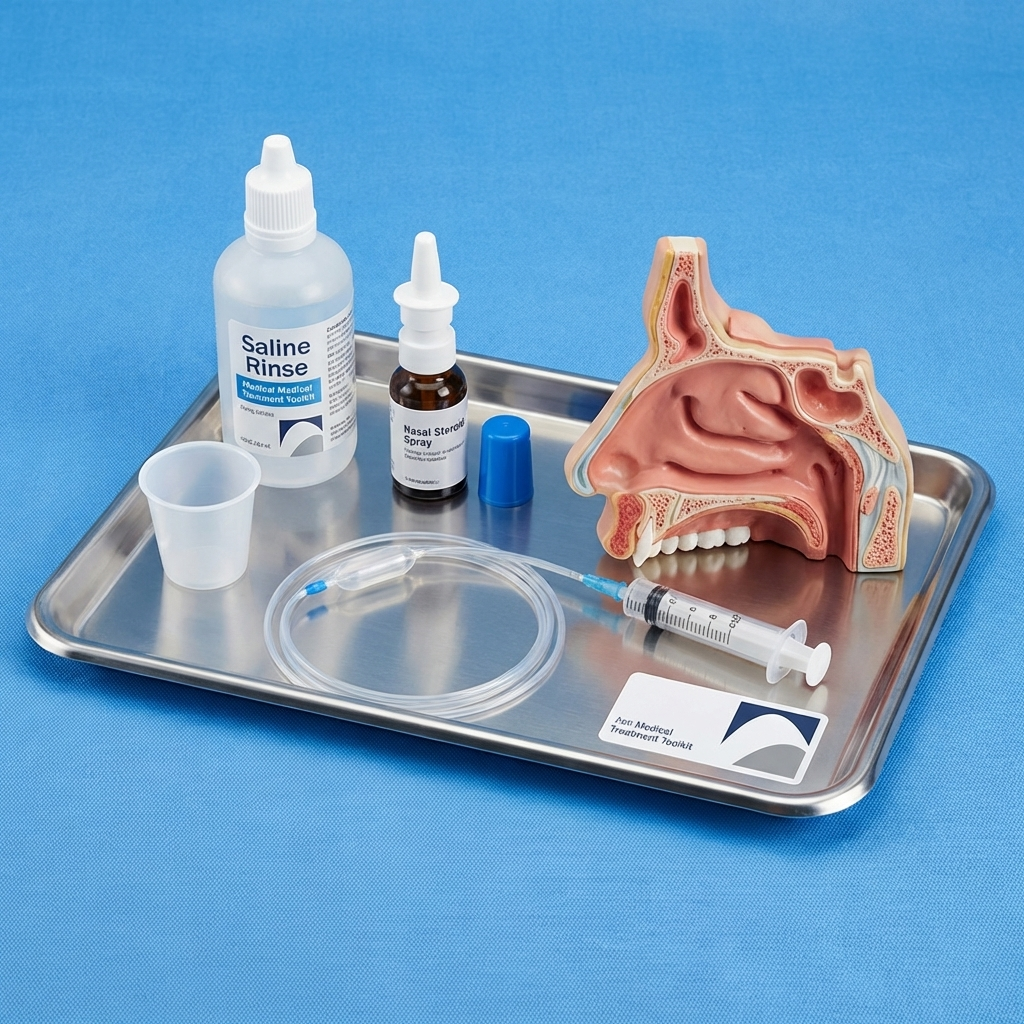
- Saline rinses to clear irritants/mucus
- Allergy management (trigger control and appropriate medications)
- Steroid nasal sprays to reduce inflammation (often used daily for best results)
Always follow label instructions and clinician guidance—especially if you’re pregnant, have glaucoma, high blood pressure, or are taking other medications.
When structure is the problem
If a deviated septum or turbinate enlargement is driving symptoms, medication may not fully resolve obstruction because the underlying anatomy still narrows airflow. In those cases, meds may help inflammation, but breathing can remain limited—like turning down the swelling without widening the underlying passage.
Minimally invasive septal procedures (educational)
Some newer approaches aim to reduce tissue trauma compared with traditional methods. Learn more here: What is balloon septoplasty? (minimally invasive option) — https://www.clearpathnasal.com/blog/what-is-balloon-septoplasty-a-minimally-invasive-option-for-deviated-septum
Matching treatment to the true cause is what moves the needle.
How Minimally Invasive Balloon-Assisted Septoplasty May Reduce the “Total Cost” of Obstruction (Time, Recovery, and Symptom Burden)
What balloon-assisted endoscopic septoplasty is
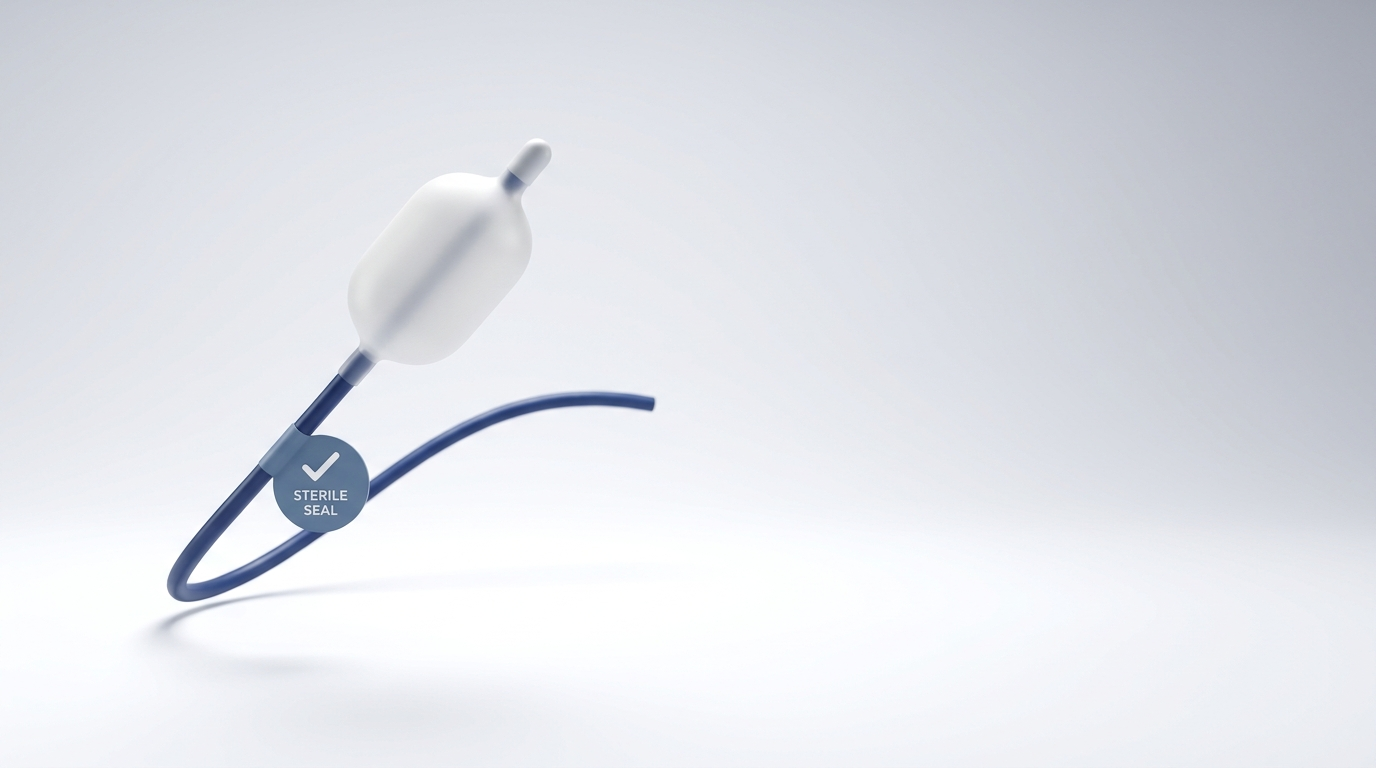
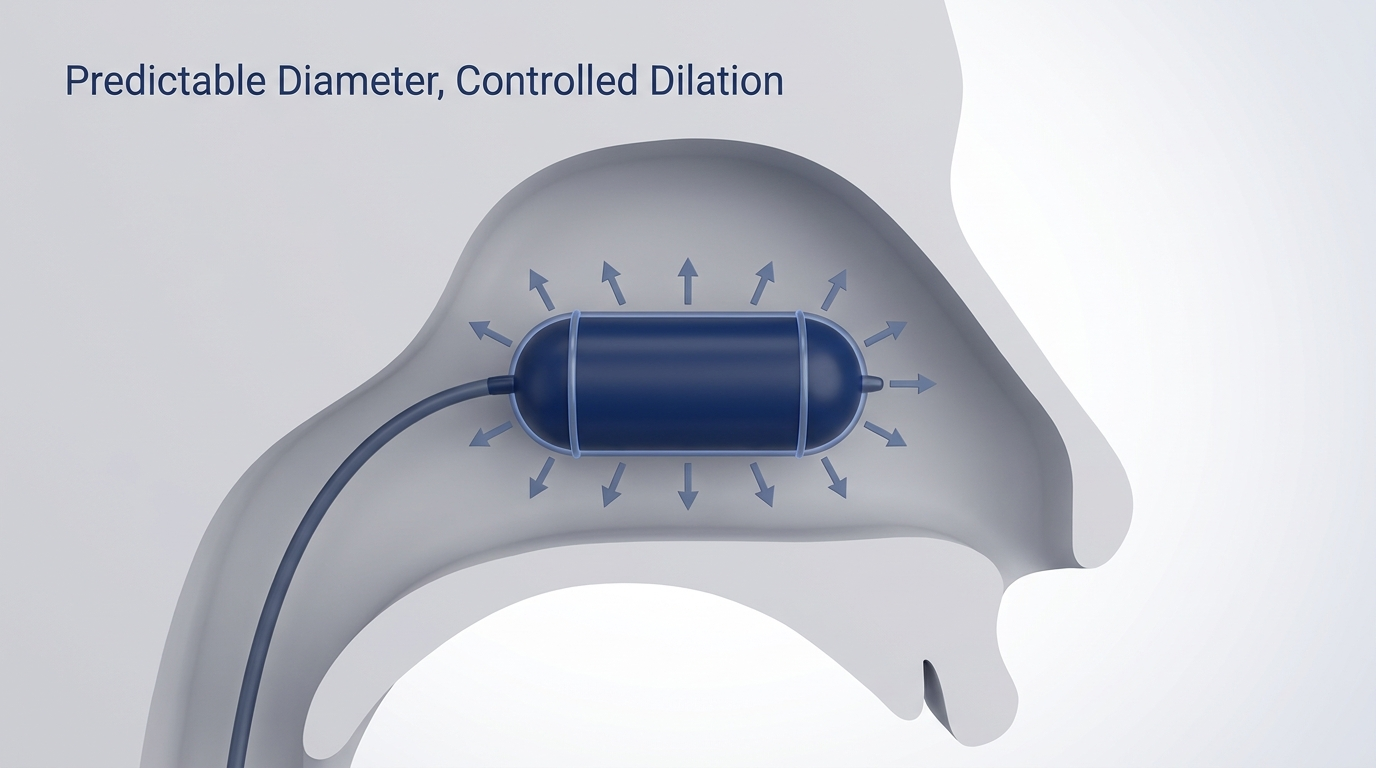
In balloon-assisted endoscopic septoplasty, an ENT uses endoscopic visualization and controlled balloon pressure to help mobilize a septal deviation. The goal is to improve airflow while minimizing tissue disruption (for example, less flap elevation in selected cases).
For some appropriately selected patients, this may be an alternative to more traditional septoplasty approaches. Your ENT can help determine whether you’re a candidate based on anatomy, symptoms, and exam findings.
Outcomes reported with the ClearPath Nasal Balloon (educational summary)
In a retrospective analysis of patients treated with the ClearPath Nasal Balloon, the authors reported:
- Safety: Across 107 cases, no major complications such as septal perforation, hematoma, mucosal injury, or synechia were observed.
- Symptom improvement: An average 24% reduction in SNOT-22 (Sino-Nasal Outcome Test-22) scores at 1 month, with the largest gains in congestion and sleep quality.
- Imaging improvement: In a subset with CT scans, mean improvement was reported at points of maximal deviation and near the nasolacrimal duct.
- Efficiency potential: In selected cases, less dissection/suturing/packing may streamline parts of the procedure.
Reference: Dillard JD, Koudouovoh C, Lee V, et al. Outcomes of force-directed balloon-assisted endoscopic septoplasty: a retrospective analysis with a new technique and device. Rhinology Online. (Please confirm publication year and details with your clinician or the journal.)
Ask whether a minimally invasive approach could meet your goals with less downtime.
Practical Next Steps (A Simple Patient Checklist)
Track your symptoms for 2 weeks
Write down:
- Night waking, snoring, morning dry mouth
- Daytime fatigue and focus level
- Medication use (including sprays)
- Exercise tolerance
- Missed work/school time
Bringing a simple log can speed up the visit and make patterns obvious—especially if symptoms fluctuate.
Questions to ask your clinician
- “Could this be structural (septum/turbinates) vs allergies/sinusitis?”
- “Do I need an endoscopic exam?”
- “What options exist beyond long-term meds?”
If you suspect sleep apnea
Ask about screening and whether sleep testing makes sense—especially if you have loud snoring, witnessed pauses in breathing, or significant daytime sleepiness.
A brief log and a few focused questions can turn guesswork into a plan.
Conclusion — The Real Cost of Waiting
Untreated nasal obstruction can quietly drain your energy, mood, sleep quality, performance, and finances—even if you’ve learned to “live with it.” If symptoms have lasted more than 12 weeks, interfere with sleep, or require frequent medication for short-lived relief, an evaluation can clarify what’s driving your blocked nose and which treatment options best fit your needs.
Call to action: If you’re ready to stop guessing, schedule a visit with your local ENT and bring your 2-week symptom log. Ask whether your congestion seems inflammatory, structural, or mixed—and whether minimally invasive options (including ClearPath as an alternative to traditional approaches in appropriate cases) are worth discussing.
FAQ
Can nasal obstruction cause anxiety?
Nasal obstruction and chronic nasal congestion are associated with higher rates of anxiety and depression, likely related to persistent discomfort, stress, and disrupted sleep. If you’re noticing mood changes, consider addressing both breathing/sleep and mental health support. https://sleepandsinuscenters.com/blog/chronic-nasal-congestion-and-its-impact-on-mental-health-what-you-need-to-know
Can a deviated septum affect sleep?
Yes. A deviated septum can contribute to mouth breathing, snoring, and fragmented sleep by reducing nasal airflow—especially when you lie down.
When is nasal congestion considered chronic?
In many ENT contexts, symptoms lasting more than 12 weeks are considered chronic and should be evaluated, particularly if they affect sleep or daily functioning.
Sources (selected)
Nasal obstruction overview (Cleveland Clinic): https://my.clevelandclinic.org/health/symptoms/nasal-obstruction
Burden/economic and QOL impacts: https://pmc.ncbi.nlm.nih.gov/articles/PMC2866547/
Nasal obstruction and OSA context: https://pmc.ncbi.nlm.nih.gov/articles/PMC5698527/
Access barriers and inequities (context): https://pmc.ncbi.nlm.nih.gov/articles/PMC10866601/
Prevalence coverage: https://respiratory-therapy.com/disorders-diseases/chronic-pulmonary-disorders/chronic-diseases/nearly-1-in-4-americans-suffer-chronic-nasal-congestion/
Survey coverage: https://www.prnewswire.com/news-releases/new-harris-survey-reveals-chronic-nasal-congestion-is-surprisingly-widespread-nearly-1-in-4-americans-with-nasal-congestion-experience-symptoms-almost-every-day-301277257.html
Medical disclaimer: This article is for educational purposes only and is not medical advice. Please consult a qualified healthcare provider for diagnosis and treatment.

Dr. David G. Dillard
Author
Share it with others!