Nasal Polyps vs. Deviated Septum: Knowing the Difference
Nasal blockage can feel the same no matter the cause—stuffy breathing, pressure, mouth-breathing at night, and poor sleep. That’s why nasal polyps vs. deviated septum is such a common point of confusion: both can narrow the nasal airway and contribute to congestion. But getting the diagnosis right matters, because the treatment path is often very different.
In simple terms, a deviated septum is a structure problem (the wall between your nostrils is shifted), while nasal polyps are inflammation-driven growths that develop in the lining of the nose or sinuses. A helpful analogy: a deviated septum is like a hallway divider that’s built slightly off-center, while polyps are more like “extra cushioning” that develops on the walls after long-term irritation. Below is a patient-friendly guide to help you understand symptoms, diagnosis, and treatment options—so you know what to discuss with an ENT specialist. (Cleveland Clinic, 2024, 2025; Mayo Clinic; Johns Hopkins Medicine, 2024)
Quick Summary: Nasal Polyps vs. Deviated Septum (At-a-Glance)
The core difference
- Deviated septum: The cartilage/bone wall (septum) between the nostrils is off-center, narrowing airflow—often more on one side. It’s primarily a structural issue. (Mayo Clinic; Cleveland Clinic, 2025)
- Nasal polyps: Soft, painless, typically non-cancerous growths that form in the nasal/sinus lining, usually linked to chronic inflammation. (Cleveland Clinic, 2024)
Why it matters
- Structural problems often need a structural fix—most definitively, septoplasty (the surgical correction of a deviated septum). (Johns Hopkins Medicine, 2024; Mayo Clinic)
- Polyps are typically treated first with medications that reduce inflammation, with procedures considered if symptoms persist. (Cleveland Clinic, 2024)
If you’ve been stuck comparing nasal polyps vs. deviated septum, keep reading—symptom patterns can offer clues, but an exam is what confirms the diagnosis.

What Is a Deviated Septum?
What’s happening inside your nose
Your nasal septum is the internal wall that separates the left and right nasal passages. When it’s centered, air can move through both sides more evenly. A deviated septum means that wall is shifted or crooked—sometimes mildly, sometimes enough to significantly reduce airflow on one side (or create turbulent airflow, which can cause a sensation of ongoing nasal congestion). Many people have some degree of deviation. The key question is whether it’s causing meaningful symptoms—like nighttime obstruction, recurrent stuffiness, or sleep disruption. Clinicians often frame it simply: “We treat the symptoms, not the scan.” In other words, a deviation that looks dramatic may not bother you much, while a smaller-looking deviation can feel miserable. (Johns Hopkins Medicine, 2024; Cleveland Clinic, 2025)
For a deeper overview, see this related article on deviated septum symptoms and treatment options: https://www.clearpathnasal.com/blog/deviated-septum-explained-symptoms-causes-and-modern-treatment-options
Common causes
- Genetics/development: Some people are born with it or develop it as the face grows.
- Trauma: A sports injury, fall, or accident can shift the septum. (Mayo Clinic; Liv Hospital, 2026)
A concrete example: someone might notice one-sided blockage starting after a basketball elbow or a minor car accident—then realize it never fully “went back to normal,” especially at bedtime.
Conclusion: It’s a structural narrowing first and foremost—even if swelling can make it feel worse.
What Are Nasal Polyps?
What polyps are (and aren’t)
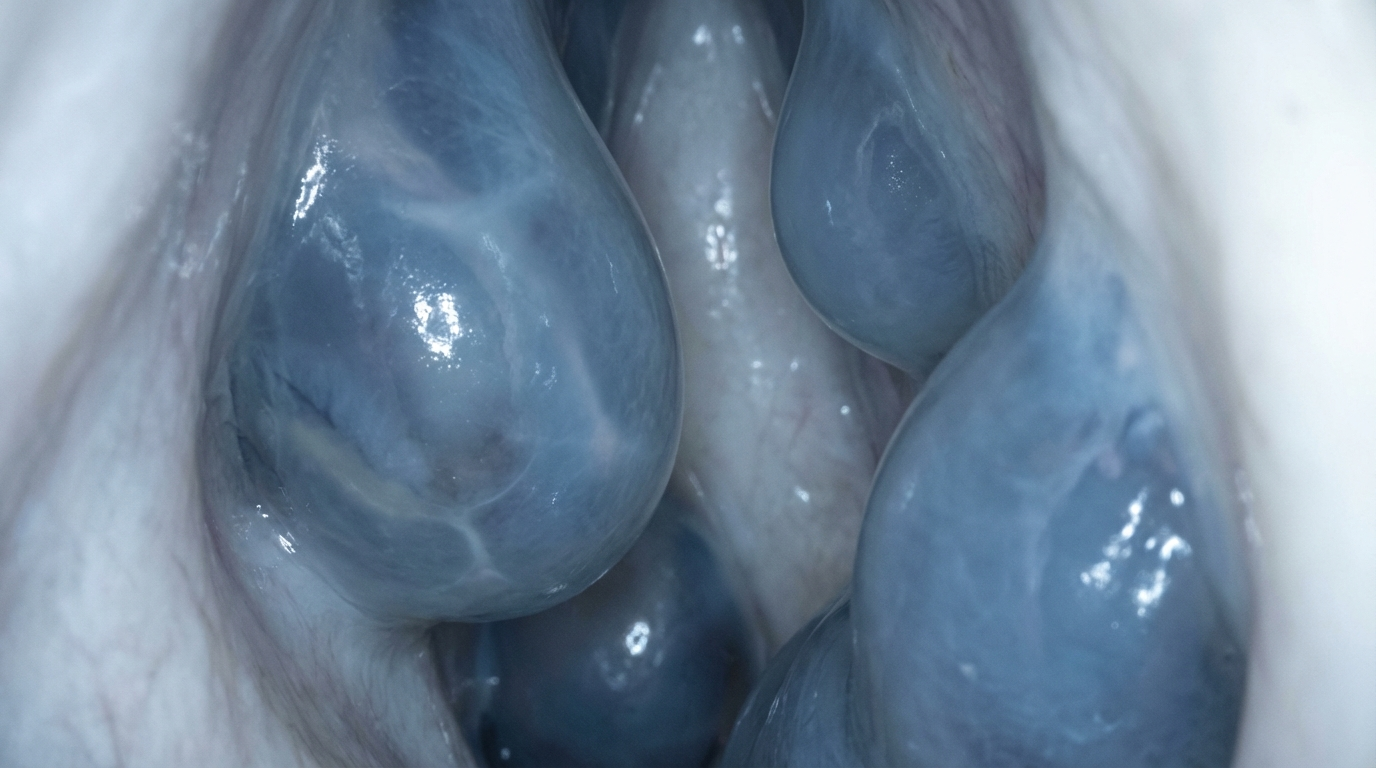
Nasal polyps are soft tissue growths that can develop in the nasal passages or sinuses. They’re typically painless and benign (non-cancerous), but they can take up space and obstruct airflow or impair sinus drainage. They’re closely associated with long-term inflammation of the nasal/sinus lining. If a deviated septum is like a crooked divider, polyps are more like smooth, swollen “bulges” of lining that can hang into the airway—sometimes described by clinicians as grape-like in appearance during an exam. (Cleveland Clinic, 2024)
Put simply: nasal polyps are benign growths related to inflammation and are not cancerous tumors. (Cleveland Clinic, 2024)
What can trigger nasal polyps
Polyps are often linked to conditions that keep the lining of the nose inflamed over time, including:
- Chronic sinusitis (persistent sinus inflammation and symptoms)
- Allergies/allergic rhinitis
- Asthma (in some people) (Cleveland Clinic, 2024; Southern California Sinus Institute, 2024)
A typical scenario: symptoms start as “year-round allergies,” then gradually turn into ongoing congestion with postnasal drip—and over time, smell becomes faint or disappears.
Conclusion: Think inflammation-driven growths that crowd the airway and the sinus drainage pathways.

Symptoms: How to Tell the Difference at Home (Before You See an ENT)
Symptoms overlap a lot—so use this section as a guide, not a diagnosis. Only a clinician can confirm what’s going on.
Symptoms more suggestive of a deviated septum
- Trouble breathing through one nostril (often worse at night or when lying on one side)
- Snoring or noisy breathing during sleep (note: snoring has many causes; a deviated septum can be one contributing factor)
- A pattern of congestion that doesn’t track with allergy seasons or triggers (Cleveland Clinic, 2025; Johns Hopkins Medicine, 2024)
If snoring is a major complaint, you may also want to read about deviated septum and snoring: https://www.clearpathnasal.com/blog/deviated-septum-and-snoring-why-a-balloon-procedure-may-help
Symptoms more suggestive of nasal polyps
- Loss of smell (or reduced smell) and sometimes reduced taste—often a strong differentiator
- Postnasal drip (mucus draining down the throat)
- Facial pressure/fullness, especially with ongoing sinus symptoms (Cleveland Clinic, 2024; Southern California Sinus Institute, 2024)
A simple example: if you can’t smell coffee, soap, or smoke the way you used to—especially alongside chronic congestion—polyps move higher on the list of possibilities.
Symptoms both conditions can share (why people confuse them)
- Nasal congestion/stuffiness
- Runny nose
- Sinus infections or sinus pressure (Cleveland Clinic, 2024, 2025)
For more on how allergies can mimic or amplify structural symptoms, see deviated septum vs allergies—how to tell the difference: https://www.clearpathnasal.com/blog/deviated-septum-vs-allergies-how-to-tell-the-difference
Conclusion: Patterns offer clues, but only a nasal exam confirms the cause.
Can You Have Both Nasal Polyps and a Deviated Septum?
Yes—coexistence is common
It’s absolutely possible to have both. A deviated septum can narrow the airway structurally, while inflammation (from allergic rhinitis, chronic sinusitis, or other causes) can swell tissues and/or produce polyps. Together, these can “stack” and make blockage feel more severe than either problem alone. (Southern California Sinus Institute, 2024)
When “mixed symptoms” are a clue
- One-sided obstruction plus noticeable loss of smell
- Chronic sinusitis symptoms (pressure, drainage, repeated infections) plus persistent nighttime blockage
Conclusion: Sometimes it’s both—and the best treatment plan addresses each part.

Diagnosis: What an ENT Looks For
History and symptom patterns
An ENT will usually start by listening for patterns such as:
- Mostly one-sided vs. both-sided blockage
- Smell loss, sleep disruption, snoring, and mouth-breathing
- Allergy/asthma history suggesting allergic rhinitis or chronic inflammation (Cleveland Clinic, 2024, 2025)
You might hear questions like: “Is it worse on one side?” “Do you ever get short bursts of relief?” “Did you notice smell changes?” Those details help separate structural narrowing from inflammatory swelling.
Nasal exam and nasal endoscopy
A careful nasal exam can reveal:
- A septum deviation (a visible structural shift)
- Polyps, which may appear pale and smooth/gel-like in the nasal cavity (Cleveland Clinic, 2024; Johns Hopkins Medicine, 2024)
Endoscopy can be especially useful when symptoms are significant but the front-of-the-nose view doesn’t tell the whole story.
When imaging (CT scan) is used
A CT scan may be recommended to:
- Clarify anatomy and how much obstruction exists
- Evaluate sinus disease burden (important with chronic sinusitis)
- Help plan surgery when needed (Mayo Clinic; Midwest Sinus Center)
Conclusion: A focused history, endoscopic exam, and sometimes CT imaging work together to pinpoint the cause—and the right fix.

Treatment Differences (This Is Where the Paths Split)
Deviated septum treatment options
- If mild: Symptom relief can include saline rinses, humidification, and treating coexisting allergic rhinitis. This can reduce swelling around the septum, but it does not straighten a deviated septum. (Mayo Clinic; Cleveland Clinic, 2025)
- If significant symptoms: Septoplasty is the most definitive surgical correction because it addresses the underlying structure. Outcomes vary by individual anatomy and symptom severity. (Johns Hopkins Medicine, 2024; Mayo Clinic)
Think of it this way: medications can make the lining less puffy, but they can’t move cartilage and bone back into place.
Nasal polyp treatment options
Nasal polyp treatment often focuses on reducing inflammation first:
- Corticosteroid nasal sprays are commonly first-line to shrink inflammation over time
- A short course of oral steroids may be used in some cases, under medical supervision
- If persistent or severe: endoscopic sinus surgery/polypectomy may be considered (Cleveland Clinic, 2024)
Conclusion: Structural obstruction tends to need structural correction; inflammatory growths typically start with medication.
Where Balloon-Assisted Septoplasty Fits (Patient-Friendly Explanation)
Traditional septoplasty vs. minimally invasive approaches
Traditional septoplasty is a well-established procedure, and it can be very effective; results depend on individual anatomy and goals. It may involve more internal tissue dissection to access and reshape the septum. Because of that, newer approaches aim to simplify steps and reduce tissue disruption where appropriate. Treatment decisions should always be individualized by a qualified specialist.
If you’re comparing options, it may help to ask your ENT to explain what part of your blockage is structural and what part is swelling. That distinction often clarifies whether a minimally invasive approach is reasonable to discuss. For a dedicated overview, see: What is balloon septoplasty? https://www.clearpathnasal.com/blog/what-is-balloon-septoplasty-a-minimally-invasive-option-for-deviated-septum
ClearPath Nasal Balloon (CNB) and balloon-assisted endoscopic septoplasty (overview)
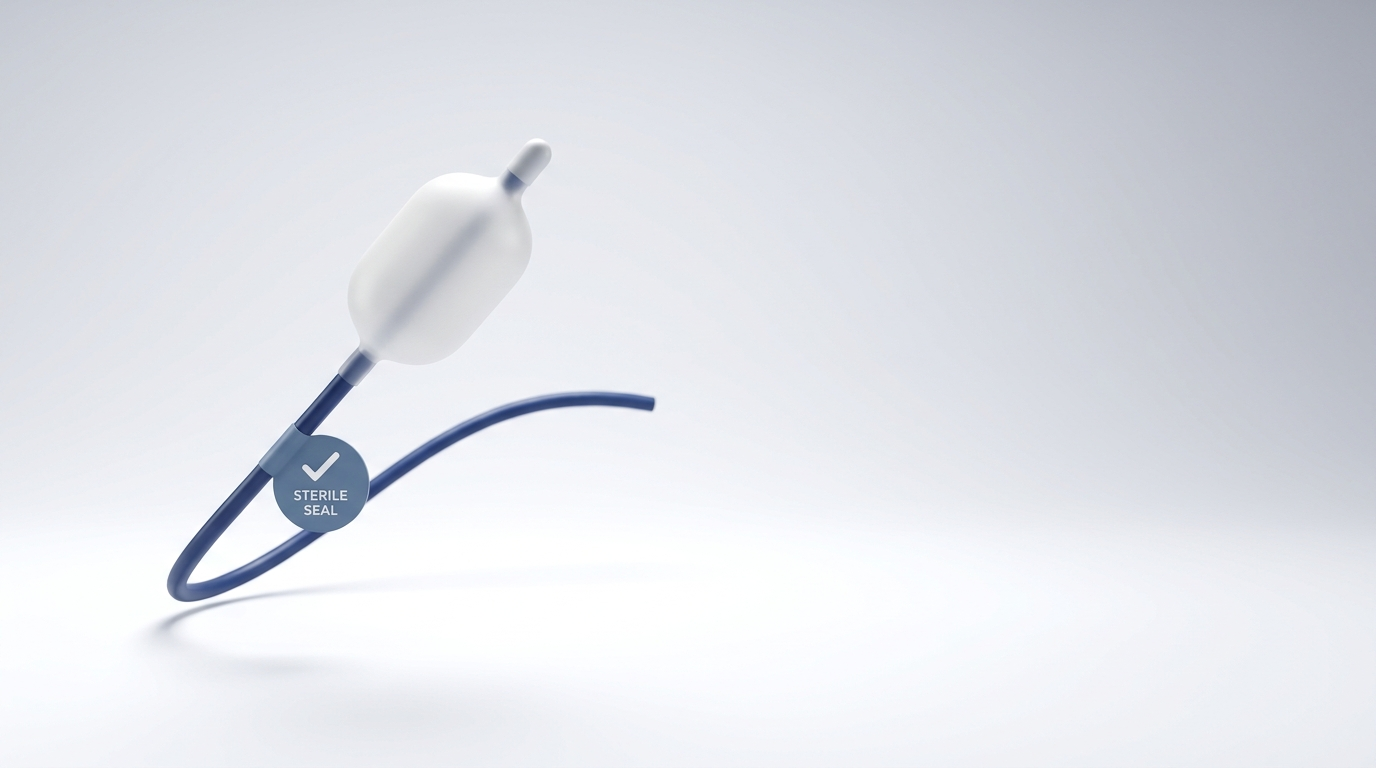
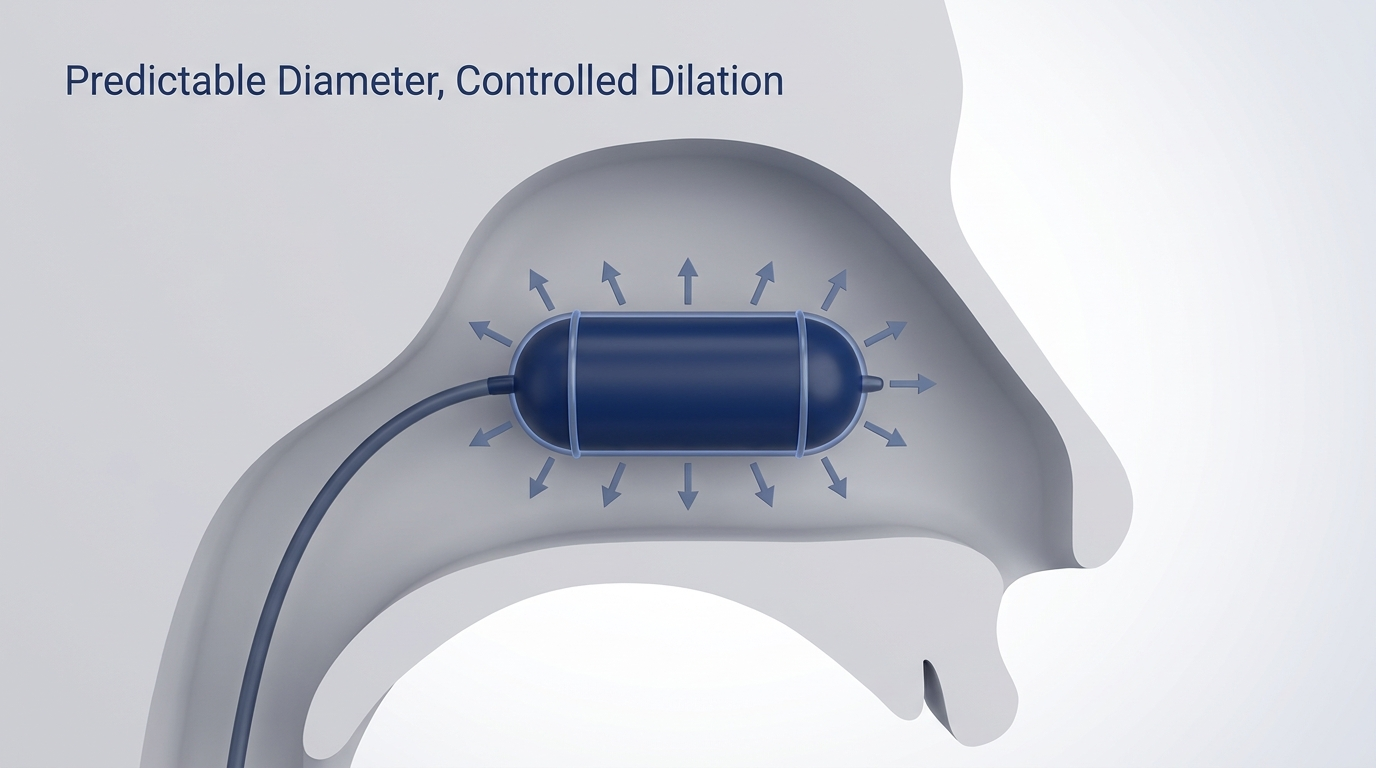
One minimally invasive approach is balloon-assisted endoscopic septoplasty, which uses endoscopic visualization plus controlled balloon pressure to help mobilize and reposition septal tissue.
The ClearPath Nasal Balloon (CNB) is a device used for this balloon-assisted endoscopic septoplasty approach. In general terms, the concept is:
- The clinician visualizes the septum endoscopically
- The balloon applies controlled pressure to help reposition the deviated portion
- The technique is designed to reduce unnecessary tissue trauma and streamline key steps (Dillard et al., 2026)
What outcomes research has reported (brief highlights)
In a retrospective analysis of balloon-assisted endoscopic septoplasty using the ClearPath Nasal Balloon device:
- In 107 cases, no major complications (including septal perforation, hematoma, or synechia) were observed. (Dillard et al., 2026)
- In 23 patients with pre/post CT comparisons, there was a 45% mean improvement in radiographic measures at the point of maximal septal deviation and 22% near the nasolacrimal duct (p = 0.005). (Dillard et al., 2026)
- Patient-reported symptoms improved: SNOT-22 decreased ~24%, including congestion and sleep-related quality items. (Dillard et al., 2026)
Results may vary, the study population was selected retrospectively, and this procedure is one of several surgical options—it may not be appropriate for everyone. If septoplasty is on the table, ask your local ENT whether traditional septoplasty or a minimally invasive option such as balloon-assisted endoscopic septoplasty with ClearPath fits your anatomy and goals.
Conclusion: Minimally invasive options exist, but the “right” approach is the one tailored to your anatomy, symptoms, and priorities.
When to Seek Medical Care (Red Flags + “Don’t Wait” Symptoms)
Book an evaluation if you have
- Persistent congestion lasting more than 10–12 weeks (possible chronic sinusitis)
- Ongoing loss of smell
- Loud snoring plus daytime sleepiness (possible sleep-disordered breathing) (Cleveland Clinic, 2024, 2025)
Urgent symptoms
Seek urgent care/ER evaluation for severe or rapidly worsening symptoms such as:
- Severe facial swelling
- High fever
- Vision changes
- Severe headache
These can be warning signs of uncommon but serious sinus-related complications.
Conclusion: Don’t wait on red flags—timely care protects your breathing, sleep, and smell.
FAQ: Nasal Polyps vs. Deviated Septum
Can a deviated septum cause loss of smell?
It can contribute by reducing airflow to the smell region, but polyps are more strongly linked to smell loss—especially when inflammation is ongoing. (Cleveland Clinic, 2024, 2025)
Do nasal polyps go away on their own?
They often don’t fully resolve without controlling inflammation. Medication is usually first-line in nasal polyp treatment. (Cleveland Clinic, 2024)
Will allergy medicine fix a deviated septum?
Allergy treatment can reduce swelling in the nasal lining (helpful if allergic rhinitis is part of the picture), but it cannot correct the underlying structure of a deviated septum. (Mayo Clinic; Cleveland Clinic, 2025)
Can both conditions cause sinus infections?
Yes. Either can contribute to obstruction and poor drainage, which can increase sinus inflammation and infection risk—especially with chronic sinusitis. (Cleveland Clinic, 2024, 2025; Midwest Sinus Center)
Conclusion: Getting the Right Diagnosis Leads to the Right Treatment
When it comes to nasal polyps vs. deviated septum, the simplest takeaway is structure vs. inflammation. A deviated septum is a structural narrowing that may require septoplasty (including minimally invasive options like balloon-assisted endoscopic septoplasty with the ClearPath Nasal Balloon device), while nasal polyps are inflammation-driven growths that often start with medication-based treatment.
If symptoms are affecting your sleep, your sense of smell, or your day-to-day breathing, schedule an ENT evaluation and bring specific examples (one-sided vs. both sides, snoring, smell changes, sinus pressure, allergy history). If septoplasty is under consideration, ask whether traditional septoplasty or an alternative approach—such as balloon-assisted endoscopic septoplasty with ClearPath—best fits your anatomy and goals.
References
- Cleveland Clinic. (2024). Nasal Polyps. https://my.clevelandclinic.org/health/diseases/15250-nasal-polyps
- Cleveland Clinic. (2025). Deviated Septum. https://my.clevelandclinic.org/health/diseases/16924-deviated-septum
- Johns Hopkins Medicine. (2024). Deviated Septum. https://www.hopkinsmedicine.org/health/conditions-and-diseases/deviated-septum
- Mayo Clinic. Deviated septum—Diagnosis & treatment. https://www.mayoclinic.org/diseases-conditions/deviated-septum/diagnosis-treatment/drc-20351716
- Southern California Sinus Institute. (2024). Deviated Septum vs Nasal Polyps. https://www.socalsinus.com/deviated-septum-vs-nasal-polyps-what-you-need-to-know/
- Liv Hospital. (2026). How to tell if you have a deviated septum. https://int.livhospital.com/how-to-tell-if-you-have-a-deviated-septum/
- Midwest Sinus Center. Chronic sinusitis & deviated septum. https://www.midwestsinuscenter.com/chronic-sinusitis-deviated-septum/
- Dillard JD, Koudouovoh C, Lee V, et al. (2026). Outcomes of force-directed balloon-assisted endoscopic septoplasty… Rhinology Online, 9, 18–23. http://doi.org/10.4193/RHINOL/25.018
This article is for educational purposes only and is not medical advice. Please consult a qualified healthcare provider for diagnosis and treatment.

Dr. David G. Dillard
Author
Share it with others!