How Aging Affects Your Nasal Airway
If you’ve noticed that breathing through your nose feels different than it used to—more stuffiness, more dryness, or congestion that lingers—you’re not imagining it. Changes in the aging nasal airway are common, and they can affect both comfort and airflow.
Most age-related nasal symptoms come from a combination of three gradual shifts: 1) Nasal framework/cartilage changes (support can become less resilient) 2) Mucus and cilia clearance slow (the nose’s “self-cleaning” system works less efficiently) 3) The nasal lining remodels (affecting hydration, mucus thickness, and inflammatory signaling)
Key takeaway: Aging can affect both airflow mechanics and airway self-cleaning—so even small changes can feel like a big difference. (Lee et al., 2013; Ho et al., 2001; Balázs et al., 2022)
Why nasal breathing can change as you get older
The nose isn’t just an “air tube.” It’s a living filter, humidifier, and airflow regulator. With time, small shifts in structure and function can add up—especially during allergy season, a cold, travel to dry climates, or winter heating.
A simple way to think about it: your nose manages both space (how open the passage is) and flow (how easily air and mucus move through that space). If the passage narrows a little and mucus becomes thicker or clears more slowly, you can feel blocked even when the anatomy hasn’t dramatically changed.
So if you’ve been wondering why nasal obstruction with age seems more noticeable, the answer is usually multifactorial: slightly less internal support, slower mucus clearance, and a lining that may be drier—or produce stickier mucus—on certain days.
In short: even small shifts in space and flow can add up to big-feeling symptoms.
The nasal airway basics (quick anatomy in plain English)
For a visual refresher that connects the dots, see understanding your nasal anatomy: https://www.clearpathnasal.com/blog/deviated-septum-causes-understanding-your-nasal-anatomy
The “airflow pathway”: septum, turbinates, nasal valves
- Septum: the wall dividing the left and right sides of your nose. If it’s crooked (deviated), airflow can be uneven.
- Turbinates: soft, scroll-like structures along the sidewalls that warm and humidify air. They can swell with allergies, irritation, or infection.
- Nasal valves: the narrowest part of the nasal airway (near the front). Small changes here can cause a big jump in resistance.
A useful analogy: the nasal valves are like the neck of a funnel. Even a small pinch at the narrowest point can noticeably slow the whole stream of airflow.
The “defense system”: mucus + cilia (your nose’s cleaning crew)
Your nose produces mucus to trap dust, germs, and allergens. Tiny microscopic hairs called cilia beat in coordinated waves to move that mucus backward toward the throat, where it’s swallowed without you noticing.
When this system runs smoothly, your nose is constantly clearing its own filters. When it slows down, it’s easier for mucus to build up and linger.
The “lining”: nasal epithelium and hydration
The nasal lining helps control moisture and mucus consistency. When hydration balance is off, you can feel dryness, crusting, sticky mucus, or a stuffy sensation—even if the airway isn’t severely blocked.
This can be why two people with similar anatomy feel very different symptoms, and why your own symptoms may vary from week to week.
Think “funnel plus filter”: the narrowest point and the cleaning crew determine how open and comfortable your nose feels.

Age-related changes in nasal cartilage and structure (how the “framework” shifts)
Cartilage becomes less resilient over time
Cartilage helps support the nasal passages so they stay open during normal breathing, exercise, and sleep. With age, cartilage can show degenerative changes, including reduced levels of structural components (like proteoglycans) that help it stay springy and resilient. (Lee et al., 2013)
What this means in real life: In an aging nasal airway, internal support structures may be a bit less forgiving, so swelling from a cold, seasonal allergies, or dryness may feel more obstructive than it did years ago.
What this can feel like day-to-day
- More noticeable blockage during colds or allergy flares
- Feeling like airflow is tight at night or when lying down
- Needing to mouth-breathe more during exercise or sleep
One common pattern is, “I used to get congested, but it would clear quickly. Now it hangs around.” That experience can reflect how structure, lining, and mucus clearance interact—not just one single issue.
(These sensations can have multiple causes; they’re not diagnostic on their own.)
When structural narrowing matters clinically
Consider evaluation if you have: - Persistent one-sided blockage - Symptoms that don’t respond to typical allergy care - Prior nasal trauma or a known deviated septum - Worsening snoring or sleep disruption tied to nasal blockage
If you’ve specifically wondered whether symptoms from a deviated septum can feel worse over time, this article may help: https://www.clearpathnasal.com/blog/does-a-deviated-septum-get-worse-over-time
Bottom line: slightly less structural support can make everyday swelling feel more obstructive.

Mucociliary clearance slows with age (why older adults may get more congestion/infections)
Cilia beat more slowly and can develop ultrastructural defects
Cilia are your built-in conveyor belt for mucus. Research shows that mucociliary clearance aging is real: studies have found slower ciliary beat frequency, more ultrastructural changes, and longer clearance times (including saccharin test times), particularly in adults over 40. (Ho et al., 2001)
In practical terms, if mucus doesn’t move as efficiently, it can stay in place longer—making you feel congested even after the peak of a cold has passed.
What reduced clearance can lead to
- More lingering congestion
- Postnasal drip sensation and throat clearing
- A feeling of heaviness during colds
- Greater susceptibility to upper airway infections—or longer recovery
To understand how anatomy and infections connect, see how a deviated septum affects sinus infections: https://www.clearpathnasal.com/blog/how-a-deviated-septum-affects-sinus-infections
Practical ways to support nasal clearance (safe, general tips)
These are reasonable, low-risk habits for many people (check with a clinician if you have special medical considerations):
- Hydration: helps keep mucus less sticky
- Saline spray or rinse: can thin and flush mucus. Use sterile/distilled water for rinses and keep devices clean as directed.
- Humidification: especially helpful in winter or dry climates
- Medication check: some medications can dry nasal tissues; ask your clinician or pharmacist if any of yours may contribute to nasal congestion in older adults
A concrete example: if your bedroom air is dry from heating, adding humidification plus a gentle saline routine may reduce morning crusting or throat clearing for some people.
Takeaway: small, consistent hydration and clearance habits can lessen lingering congestion.


The nasal lining remodels with age (mucus, inflammation signals, and airway hydration)
Cell-type composition and protein expression change over time
Your nasal lining isn’t static. Studies using proteomic profiling show age-related differences in proteins related to cilia function, mucins (including MUC5AC and MUC5B), and cellular energy pathways. Older groups also show changes consistent with remodeling, including increased MUC5AC in age-associated patterns. (Balázs et al., 2022)
Think of mucins as the gel ingredients in mucus. When the recipe shifts, mucus can feel thicker, stickier, or harder to clear.
How these changes can affect symptoms
Depending on your environment, health history, and medications, nasal lining changes may show up as: - Thicker or stickier mucus - Congestion that feels inflammatory, even without obvious infection - More dryness and crusting in some people
This is another reason the aging nasal airway can feel unpredictable: some days are fine; other days a small trigger (dust, travel, a mild cold) leads to outsized symptoms.
Ion transport changes: why the nose may feel drier or “less adjustable”
The nasal lining moves salts and water to maintain the right mucus consistency. Research suggests age-dependent differences in ion transport responses, including differences involving TMEM16A-mediated calcium-activated chloride secretion between younger and elderly cultures. (Balázs et al., 2022)
In plain terms: the lining’s ability to keep mucus ideally hydrated may change, contributing to dryness or thicker secretions—especially in dry air or when you’re slightly dehydrated.
Net effect: mucus may be harder to move, and the lining may be less able to self-adjust to daily stressors.

How these changes alter airflow dynamics (why a small narrowing can feel bigger)
Same anatomy, different experience
A key concept in nasal airflow changes with age is that symptoms aren’t only about physical space. If mucus is thicker and clearance is slower, mild swelling can feel like major obstruction—because the airway is dealing with both narrowing and clogging at the same time.
Another analogy: imagine a hallway that’s slightly narrower than it used to be. If you also place a few boxes along the wall (thicker mucus, slower clearance), moving through it suddenly feels much harder.
Common “aging nose” symptom patterns
- Nighttime mouth breathing
- Snoring that worsens with congestion
- More pressure sensation during colds
- Reduced smell sensitivity (many factors can contribute)
If nighttime breathing is your main issue, this resource on breathing better at night may be useful: https://www.clearpathnasal.com/blog/septoplasty-for-better-sleep-and-breathing-quality
Result: a small anatomic change can feel big when hydration and clearance aren’t optimal.
When to see an ENT (and what evaluation may include)
Signs it’s time to get checked
Consider an ENT visit if you have: - Nasal obstruction lasting more than 8–12 weeks - Recurrent sinus infections - Frequent nosebleeds or persistent crusting - One-sided symptoms, facial pain, or new/worsening sleep disruption
If you’re stuck deciding whether symptoms are structural or allergy-related, see how to tell the difference between a deviated septum and allergies: https://www.clearpathnasal.com/blog/deviated-septum-vs-allergies-how-to-tell-the-difference
What an ENT might do
A typical evaluation may include: - A detailed history and exam - Nasal endoscopy (a small camera to look inside) - Allergy evaluation (when appropriate) - Imaging if needed
The goal is to identify whether the main driver is inflammation, chronic sinusitis, polyps, nasal valve narrowing, or a significant septal deviation.
Early evaluation helps clarify whether structure, inflammation, or both are at play.
Treatment options that can help older adults breathe better (stepwise approach)
First-line symptom relief
Many people get meaningful relief from: - Saline spray/rinse and humidification - Allergy management when relevant (as directed by your clinician) - Addressing reflux if it’s contributing (only with clinician guidance)
If you’re not sure what to try next, this step-by-step article can help you plan a conversation with your clinician: https://www.clearpathnasal.com/blog/deviated-septum-and-chronic-nasal-congestion-what-to-do-next
Addressing structural blockage (when a deviated septum is part of the problem)
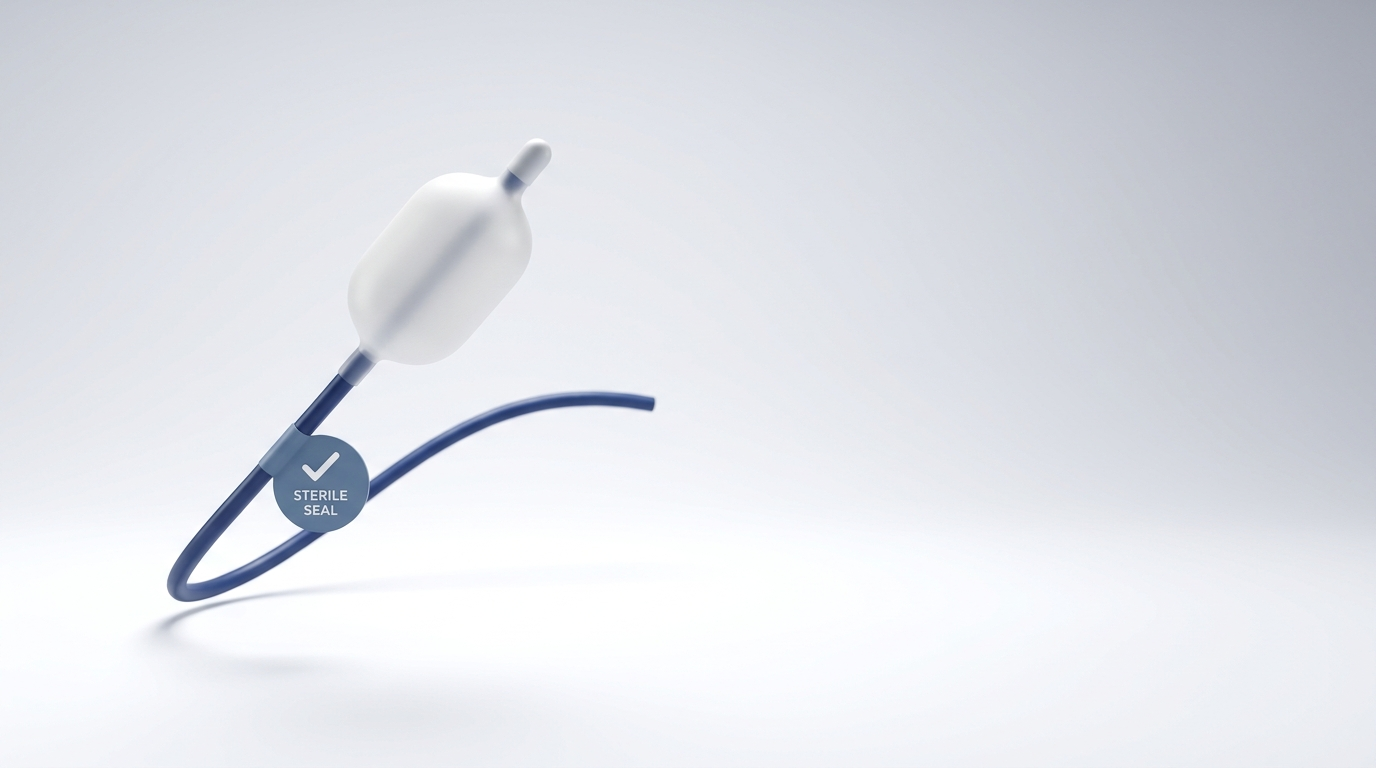
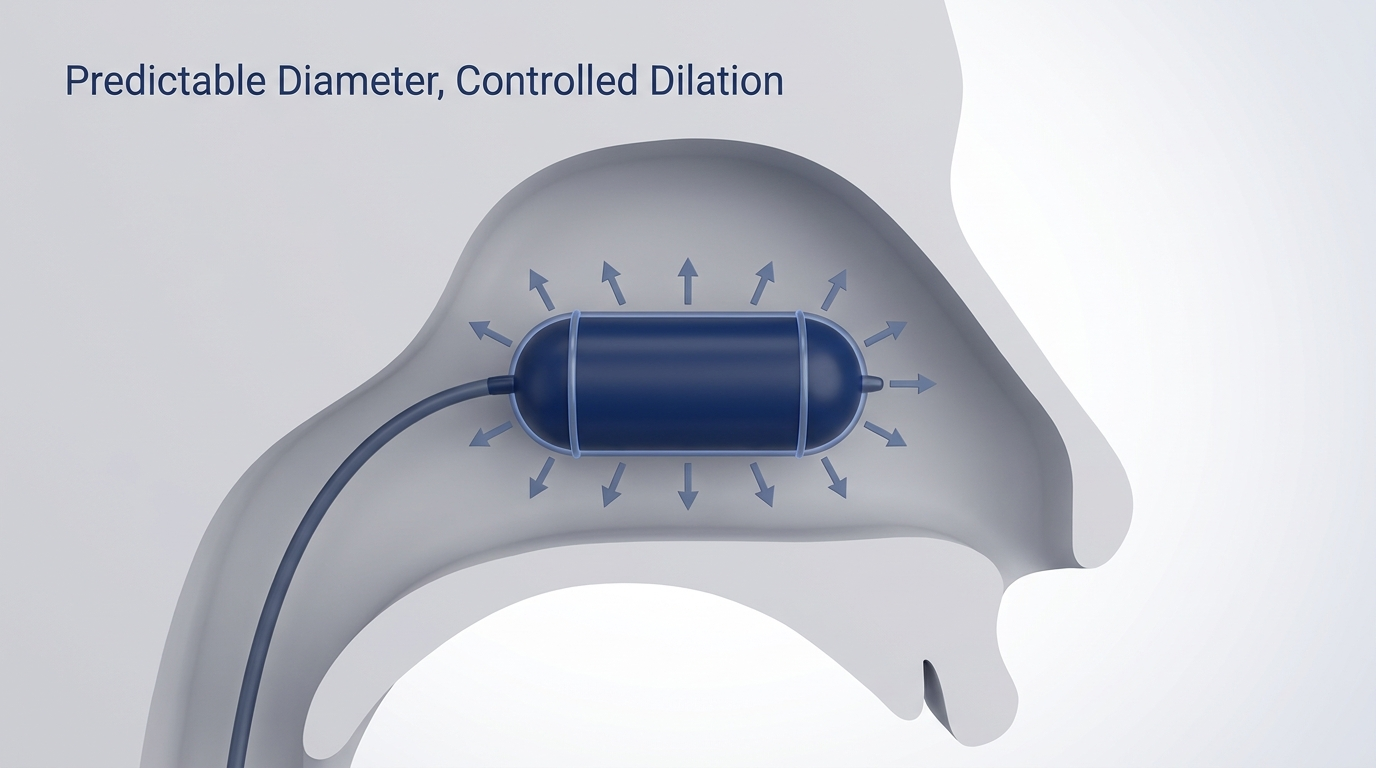
A deviated septum can be present for years, but the impact can feel stronger later due to the combined effects of the aging nasal airway (support changes, lining changes, and slower clearance). If structure is a major contributor, septoplasty may be discussed. In some practices, office-based or minimally invasive options—including balloon-assisted septal correction with devices like ClearPath—may be considered for selected patients. Not everyone is a candidate, and an ENT evaluation determines the best approach for your situation.
For an educational comparison of approaches, see recovery and safety: balloon vs traditional septoplasty: https://www.clearpathnasal.com/blog/clearpath-vs-traditional-septoplasty-recovery-safety-results
Evidence snapshot (balloon-assisted septal correction using ClearPath)
- In a single-center case series of 107 consecutive ClearPath-assisted septoplasty cases, no major complications were reported in that series (including no septal perforation, hematoma, mucosal injury, infection, or conversion). (Dillard et al., 2026)
- In a subgroup of 23 patients with pre/post CT scans, septal alignment symmetry improved 22% at the nasolacrimal duct and 45% at maximal deviation. (Dillard et al., 2026)
- Short-term patient-reported symptom scores (SNOT-22) improved from 58.7 to 44.8 at one month (a 23.8% reduction). (Dillard et al., 2026)
These data are from a single series and a small imaging subgroup without a control group; results may not generalize and do not establish superiority over other approaches. Larger, comparative studies are needed.
Work with a qualified ENT to match treatments—medical, office-based, or surgical—to your goals and anatomy.
FAQs
Does nasal congestion get worse with age?
It can. Nasal obstruction with age may reflect slower mucus clearance, changes in nasal lining hydration and mucus proteins, and age-related shifts in cartilage resilience. (Ho et al., 2001) (Balázs et al., 2022) (Lee et al., 2013) For help sorting out common overlapping causes, see how to tell the difference between a deviated septum and allergies: https://www.clearpathnasal.com/blog/deviated-septum-vs-allergies-how-to-tell-the-difference
Why do I get more sinus infections now than when I was younger?
One reason is that mucociliary clearance aging can make it harder for the nose to move mucus (and trapped irritants) out efficiently, which may contribute to greater susceptibility and prolong symptoms. (Ho et al., 2001) Learn more about structure–infection links here: https://www.clearpathnasal.com/blog/how-a-deviated-septum-affects-sinus-infections
Can a deviated septum feel worse as I age?
Yes, it can feel more impactful. Even if the deviation itself hasn’t dramatically changed, the combination of slower clearance, thicker mucus, and age-related tissue changes can amplify the sensation of blockage. (Lee et al., 2013; Ho et al., 2001)
What helps an older adult breathe through the nose at night?
Often: humidification, saline, and managing allergies/irritants when relevant. If nighttime blockage persists, an ENT evaluation can determine whether the main cause is inflammation, infection, valve narrowing, or a structural issue. See breathing better at night: https://www.clearpathnasal.com/blog/septoplasty-for-better-sleep-and-breathing-quality
Key takeaways
Aging can affect nasal breathing in three main ways: - Framework support: cartilage resilience can change (Lee et al., 2013) - Self-cleaning: mucus clearance can slow (Ho et al., 2001) - Lining behavior: mucus proteins and hydration mechanisms can shift (Balázs et al., 2022)
If symptoms are persistent, disruptive, or one-sided, an ENT can help pinpoint what’s driving the problem—and review options ranging from medical management to procedural solutions.
Discuss the full range of options with a qualified ENT so your plan fits your anatomy, symptoms, and goals.
References
- Lee JW, et al. Age-related histologic changes in human nasal cartilage. JAMA Facial Plast Surg. 2013. https://pubmed.ncbi.nlm.nih.gov/23558968/
- Ho JC, et al. The effect of aging on nasal mucociliary clearance, beat frequency, and ultrastructure of respiratory cilia. Am J Respir Crit Care Med. 2001. https://pubmed.ncbi.nlm.nih.gov/11282777/
- Balázs A, et al. Age-Related Differences in Structure and Function of Nasal Epithelial Cultures From Healthy Children and Elderly People. 2022. https://pmc.ncbi.nlm.nih.gov/articles/PMC8918506/
- Dillard J, Koudouovoh C, Lee V, et al. Rhinology Online. 2026;9:18–23. doi:10.4193/RHINOL/25.018 (as provided)
This article is for educational purposes only and is not medical advice. Please consult a qualified healthcare provider for diagnosis and treatment.

Dr. David G. Dillard
Author
Share it with others!