Eustachian Tube Dysfunction and Nasal Obstruction
If you’ve ever felt ear pressure, popping, muffled hearing, or that “underwater” sensation—especially during a cold or allergy season—you’re not alone. Many people describe it as clogged ears that just won’t clear, even after yawning, swallowing, or chewing gum.
Here’s a helpful takeaway: Eustachian tube dysfunction (ETD) and nasal obstruction frequently coexist. When the nose is chronically blocked or inflamed—whether from allergic rhinitis, chronic rhinosinusitis (CRS), or a deviated septum—it can affect how well the Eustachian tube opens and closes. A 2024 systematic review and meta-analysis suggests an association between a deviated septum and ETD findings in some patients (JLO, 2024). An RCT in 2024 also examined outcomes when treating CRS and obstructive ETD together (IFAR, 2024).
Why “clogged ears” can start in your nose
Your ears and nose are connected more than most people realize. Think of the Eustachian tube as a small “pressure-relief valve” between the middle ear and the back of the nose—metaphorically speaking. If the surrounding nasal tissue is swollen, irritated, or chronically congested, the “valve” may have a harder time opening the way it’s supposed to.
When nasal passages are inflamed or obstructed, tissues near the Eustachian tube’s opening can also become irritated. Over time, that can contribute to pressure issues in the middle ear—leading to fullness, popping, or discomfort. This is why ETD and nasal obstruction are frequently associated in ENT clinics, particularly when someone also has:
- A deviated septum
- Chronic rhinosinusitis (CRS)
- Allergic rhinitis
- Turbinate hypertrophy (enlarged nasal turbinates)
Research reviews and practice guidelines highlight this overlap, though not everyone with nasal disease develops ETD—and vice versa (PMC, 2024; JLO, 2024). In short: when the nose is inflamed, the ears often feel it.
Quick anatomy—what the Eustachian tube does (and why it gets “stuck”)

What the Eustachian tube is supposed to do
The Eustachian tube connects the middle ear to the back of the nose (nasopharynx). Its main jobs are to:
- Equalize pressure behind the eardrum
- Drain fluid from the middle ear
- Protect the middle ear from germs and sudden pressure changes
Most of the time, you don’t notice it working—until it doesn’t. When it fails to open properly (often called obstructive ETD), pressure can build up, and the ear may feel blocked or uncomfortable (PMC, 2022).
Where the nose comes in
Because the tube opens into the nasopharynx, chronic nasal inflammation or restricted airflow can make the tissue around the opening more prone to dysfunction (PMC, 2022). During allergy season, for example, nasal congestion often coincides with a sense of ear fullness or clicking when you swallow.
Bottom line: a small, shared airway space links nasal inflammation with middle-ear pressure.
Signs and symptoms—ETD vs “just congestion”

Common ETD symptoms patients notice
ETD can feel different from simple nasal stuffiness. Common symptoms include:
- Ear fullness/pressure
- Popping, clicking, or crackling
- Muffled hearing
- Discomfort with altitude changes (flights, mountain driving)
- Feeling like you can’t “clear” your ears
Patients often say: “My ears feel clogged, but my nose is the one that’s always blocked,” or “I can hear myself talk louder in my head.” These descriptions don’t confirm ETD on their own, but they’re common reasons to seek an ENT evaluation.
Symptoms that suggest nasal obstruction is part of the picture
If ear symptoms come with ongoing nasal problems, it’s worth evaluating the nose too. Clues include:
- One-sided or persistent nasal blockage (common with a deviated septum)
- Mouth breathing, snoring, or poor sleep
- Thick postnasal drip or frequent sinus infections
- Seasonal or year-round allergy symptoms (sneezing, itchy/watery eyes)
A practical resource if your blockage is ongoing: what to do next for chronic nasal congestion (https://www.clearpathnasal.com/blog/deviated-septum-and-chronic-nasal-congestion-what-to-do-next).
A quick self-check (helpful context for your visit)
- When symptoms started (after a cold? gradually? seasonal?)
- What triggers them (pollen, dust, flights, exercise, lying down)
- Whether nasal blockage is mostly one side or both
- Whether ear pressure improves temporarily with swallowing or yawning
When to seek urgent care
Seek urgent evaluation for:
- Sudden hearing loss
- Severe ear pain with fever
- Facial swelling
- Neurologic symptoms (weakness, severe dizziness, confusion)
- Ear drainage after trauma
If ear fullness and nasal blockage ebb and flow together, let your clinician know—those patterns can be diagnostic clues.
How nasal obstruction can contribute to Eustachian tube dysfunction
Clinicians often think about three patient-friendly mechanisms:
1) Physical crowding near the tube opening — Swelling or structural blockage in the nasopharynx can interfere with normal opening.
2) Inflammation of the mucosal lining — Allergies and sinusitis can inflame tissue around the Eustachian tube orifice, making it less responsive.
3) Altered pressure dynamics from chronic airflow resistance — Persistent nasal airflow resistance can change local pressure and humidity at the back of the nose, potentially perpetuating irritation.
Not everyone with nasal blockage gets ETD—and not everyone with ETD has a nasal cause—but treating nasal disease can help selected patients (PMC, 2024). In essence, nasal airflow and mucosal health influence how well the Eustachian tube functions.
Common nasal causes linked with ETD (what your ENT will look for)

Deviated nasal septum: A deviated septum means the cartilage/bone dividing the nostrils is off-center. If one side is consistently blocked, downstream effects can include chronic congestion, mouth breathing, and sometimes ear symptoms. Research suggests an association between a deviated septum and ETD findings in some patients (JLO, 2024). For a deeper dive, see can a deviated septum cause ear problems? (https://www.clearpathnasal.com/blog/can-a-deviated-septum-cause-ear-problems)
Chronic rhinosinusitis (CRS) / frequent sinus inflammation: With chronic rhinosinusitis, the nasal and sinus lining stays inflamed for months. That long-term inflammation can extend toward the nasopharynx, where the Eustachian tube opens, and may contribute to ETD symptoms in some individuals (PMC, 2024).
Turbinate hypertrophy (enlarged nasal turbinates): Turbinate hypertrophy is a common cause of chronic nasal obstruction and often coexists with allergies or a deviated septum. Enlarged turbinates increase nasal airflow resistance and may perpetuate mucosal inflammation.
Allergic rhinitis (seasonal or perennial allergies): Allergic rhinitis can cause ongoing swelling and mucus production. If ear symptoms flare with pollen, pet exposure, dust, or seasonal changes, allergies may be a major driver worth managing consistently. If you’re unsure whether allergies or anatomy dominate your symptoms, see deviated septum vs allergies—how to tell the difference (https://www.clearpathnasal.com/blog/deviated-septum-vs-allergies-how-to-tell-the-difference). Identifying the dominant nasal contributor can be an important step toward relieving ear symptoms in selected patients.
Getting the right diagnosis (because “ear pressure” has multiple causes)

The exam and history (what a clinician may ask)
A focused evaluation often covers:
- Timing (after colds? during allergy season? year-round?)
- Ear infections, flights, pressure triggers
- Nasal blockage pattern (one side vs both)
- Prior sinus surgery or allergy history
Clinicians may also ask about jaw clenching, reflux, or headaches, because several conditions can mimic “ear pressure.” The goal is to avoid treating only part of the problem.
Patient-reported outcome measures (PROMs)
Because symptoms matter—and can change over time—ENTs may use:
- ETDQ-7 to track ETD symptom severity
- NOSE score to measure nasal obstruction symptoms
PROMs are most useful when paired with exam findings and objective testing (PMC, 2024).
Objective testing (when needed)
Depending on your case, testing may include:
- Tympanometry and/or an audiogram (to check middle-ear pressure and hearing)
- Nasal endoscopy (a small camera to look for swelling, drainage, polyps, or structural blockage)
- Tubomanometry (an objective tool that can help confirm ETD across different nasal conditions, though it does not identify which nasal condition is responsible) (PMC, 2024)
If you’re navigating persistent blockage and ear pressure, this overview of what to do next for chronic nasal congestion may help you prepare for a visit (https://www.clearpathnasal.com/blog/deviated-septum-and-chronic-nasal-congestion-what-to-do-next). A structured history, exam, and selective testing usually clarify whether the nose, the Eustachian tube, or both are involved.
Treatment approach—treat the nose, treat the tube (often both)

Step 1: Reduce inflammation and improve nasal airflow (non-surgical options)
Many patients start with medical therapy, such as:
- Saline irrigation
- Trigger avoidance and allergy management (e.g., antihistamines, clinician-directed nasal sprays)
- Treating sinus inflammation when indicated
- Addressing reflux if suspected (guided by a clinician)
A common pitfall: overusing topical decongestant sprays can lead to rebound congestion; use only as directed by a clinician.
Step 2: When addressing nasal obstruction may help ETD
When nasal obstruction is significant, improving nasal airflow may be associated with improvement in ETD-related symptoms and some objective measures in selected patients (PMC, 2024).
Septoplasty and turbinate surgery: If a deviated septum and/or turbinate hypertrophy is a major contributor, procedures that open the nasal airway may be discussed. Some surgeons may use device-assisted techniques during septal correction depending on anatomy and clinical judgment; availability, indications, and outcomes vary by surgeon and patient.
Endoscopic sinus surgery (ESS/FESS) for CRS: For persistent chronic rhinosinusitis that does not respond to appropriate medical treatment, endoscopic sinus surgery (ESS/FESS) may be considered. By improving sinus drainage and reducing ongoing inflammation, ESS may help improve ETD-related symptoms in some appropriate patients (PMC, 2024). For more on combined procedures, see septoplasty and sinus surgery done together (https://www.clearpathnasal.com/blog/septoplasty-and-sinus-surgery-when-they-are-done-together).
Step 3: Treating obstructive ETD directly—Balloon Eustachian Tuboplasty (BET)
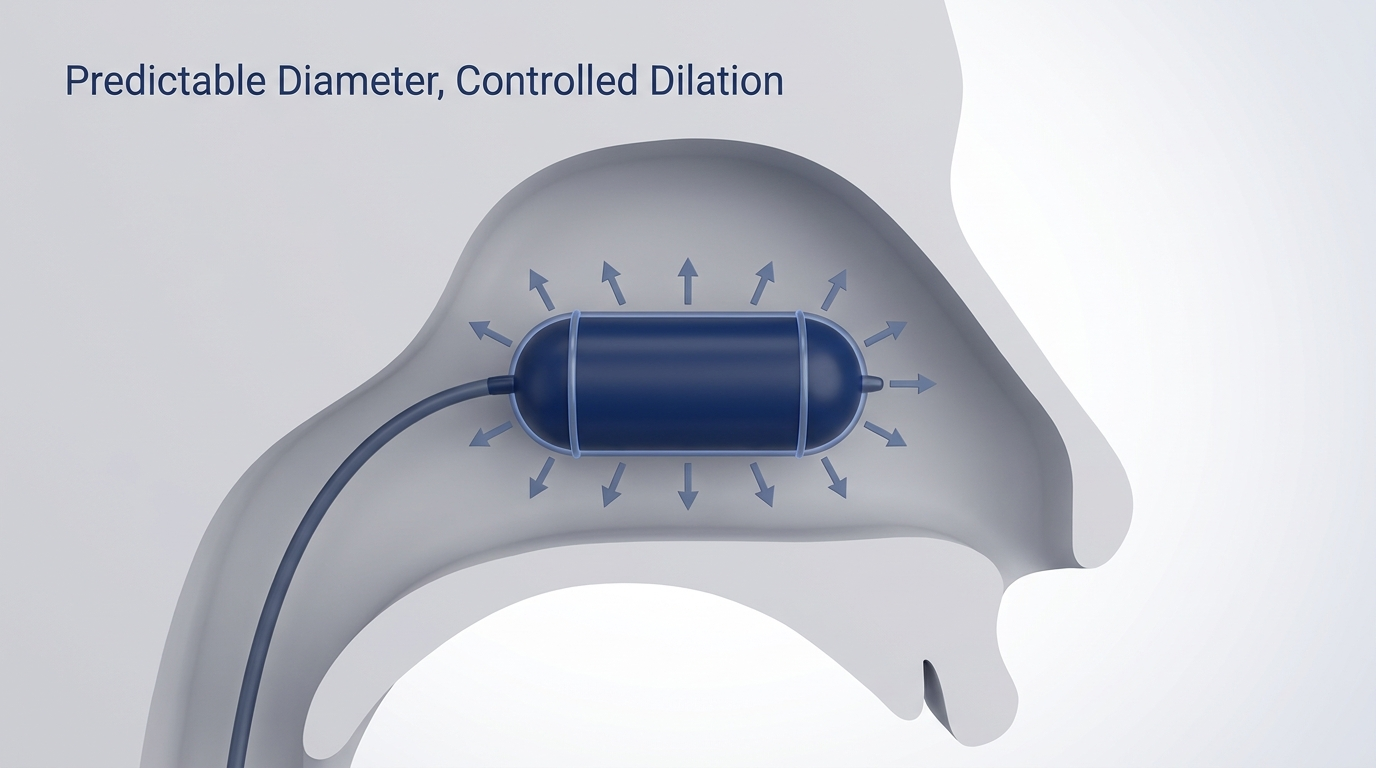
Balloon Eustachian tuboplasty (BET) is designed to address obstructive ETD by dilating the Eustachian tube. BET is not appropriate for every type of ETD, but evidence supports its effectiveness for obstructive cases. In patients with CRS plus obstructive ETD, a 2024 randomized controlled trial found that ESS combined with BET produced greater improvement in ETDQ-7 scores compared with ESS alone (IFAR, 2024).
A practical, clinician-led pathway
- If nasal symptoms are prominent, clinicians often evaluate and treat the nasal component as part of the overall work-up.
- If ETD is confirmed and persistent, ETD-targeted options (including BET when appropriate) may be discussed.
- When CRS and obstructive ETD coexist, some teams consider a combined approach (ESS + BET) based on individual findings (IFAR, 2024).
Treating inflammation and airflow first, then addressing persistent tube dysfunction, is a common, stepwise strategy.
What to ask your ENT at your appointment
- Do my symptoms fit obstructive ETD, patulous ETD, or something else?
- How significant is my nasal obstruction—deviated septum, turbinates, allergies, sinusitis?
- Should we track ETDQ-7 and NOSE score over time?
- Would tubomanometry or tympanometry help confirm what’s happening?
- If surgery is under consideration, what outcomes are realistic for my ear symptoms?
- If septal correction is recommended, do you use traditional or device-assisted techniques, and why?
Recovery and expectations (setting patients up for success)
How fast can ear pressure improve?
Some people notice improvement as nasal inflammation settles; others need more definitive treatment before ear symptoms improve. It’s also common for ear symptoms to lag behind nasal symptom relief—especially if middle-ear pressure or fluid takes time to normalize.
Avoiding setbacks
- Follow an allergy plan during peak seasons
- Keep follow-up appointments if symptoms persist
- Re-check if fullness continues or you notice hearing changes, pain, or recurrent infections
Patience helps—ears often lag behind the nose as inflammation resolves.
FAQ
Can a deviated septum really contribute to Eustachian tube dysfunction?
It can contribute in some patients by worsening nasal obstruction and inflammation near the Eustachian tube opening, but it is not the only cause of ETD (JLO, 2024).
Will septoplasty or sinus surgery fix my ear pressure?
Sometimes—particularly when ETD and nasal obstruction are clearly linked in your case. Studies suggest that nasal surgery may improve ETD-related symptoms and measures in selected patients, but results vary (PMC, 2024).
What’s the difference between ESS and BET?
- ESS/FESS: treats sinus pathways and inflammation in chronic rhinosinusitis.
- BET: targets the Eustachian tube itself in obstructive ETD.
When CRS and obstructive ETD coexist, combining treatments may provide added benefit for appropriately selected patients (IFAR, 2024).
What tests confirm ETD?
Diagnosis often includes symptoms (including ETDQ-7), ear exam, and tests like tympanometry/audiogram. Some clinics use tubomanometry to help confirm ETD, alongside patient-reported symptom scoring (PMC, 2024).
Conclusion—treat the source, not just the symptom
Persistent ear pressure is frustrating—but it’s often a clue rather than the whole story. ETD and nasal obstruction commonly overlap, and the best results typically come from a complete evaluation that looks at both nasal disease and Eustachian tube function, using symptom scores (like ETDQ-7 and NOSE) plus targeted testing when needed (PMC, 2024). If symptoms are persistent, recurrent, or affecting hearing or quality of life, an ENT evaluation is worthwhile. Contact: https://www.clearpathnasal.com/contact
A coordinated, whole-airway approach often produces the most durable relief.
References
1) Journal of Laryngology & Otology (2024). Effect of deviated nasal septum on Eustachian tube dysfunction: systematic review and meta-analysis. https://www.cambridge.org/core/journals/journal-of-laryngology-and-otology/article/effect-of-deviated-nasal-septum-on-eustachian-tube-dysfunction-a-systematic-review-and-metaanalysis/ACD19A27E1C0F87BFB6BE2B54A4F9950
2) International Forum of Allergy & Rhinology (2024). ESS + BET vs ESS outcomes in CRS with obstructive ETD (RCT). https://onlinelibrary.wiley.com/doi/full/10.1002/alr.23341
3) PMC (2024). ETD and nasal pathology; diagnostics including PROMs and tubomanometry; treatment including surgery. https://pmc.ncbi.nlm.nih.gov/articles/PMC11594923/
4) PMC (2022). ETD overview and evaluation. https://pmc.ncbi.nlm.nih.gov/articles/PMC9392412/
This article is for educational purposes only and is not medical advice. Please consult a qualified healthcare provider for diagnosis and treatment.

Dr. David G. Dillard
Author
Share it with others!