Can You Develop a Deviated Septum Later in Life?
If you’ve started noticing one-sided nasal blockage or worsening congestion as an adult, you might wonder: can you develop a deviated septum later in life—or is that only something you’re born with?
Yes, you can develop a deviated septum later in life, and it can also become more noticeable in adulthood. The most common reasons are nose injury/trauma and age-related structural changes that shift airflow or make a mild deviation more symptomatic. While a completely new deviation developing without trauma or surgery is uncommon, symptoms can emerge or worsen in adulthood as nasal tissues change, swell, or lose support. (Mayo Clinic; Cleveland Clinic; Johns Hopkins Medicine: https://www.mayoclinic.org/diseases-conditions/deviated-septum/symptoms-causes/syc-20351710 https://my.clevelandclinic.org/health/diseases/16924-deviated-septum https://www.hopkinsmedicine.org/health/conditions-and-diseases/deviated-septum)
In this post, you’ll learn what a deviated septum is in plain English, what causes it in adults, signs to watch for, how ENTs diagnose it, whether symptoms can worsen over time, and an overview of septoplasty options, including minimally invasive approaches like balloon-assisted endoscopic septoplasty.
What Is a Deviated Septum (In Plain English)?
The septum’s job—and what “deviated” actually means
Your nasal septum is the wall inside your nose that divides the left and right nasal passages. When the septum is deviated, it’s off-center or crooked, which can narrow one side of the nose and affect airflow.
A helpful analogy is to think of the septum as the divider in a two-lane tunnel. If the divider shifts into one lane, that side gets cramped—sometimes just a little, sometimes enough to slow “traffic” (airflow).
It’s also important to know that mild deviations are common—and many people have no symptoms at all. (Mayo Clinic; Johns Hopkins Medicine: https://www.mayoclinic.org/diseases-conditions/deviated-septum/symptoms-causes/syc-20351710 https://www.hopkinsmedicine.org/health/conditions-and-diseases/deviated-septum)
Why symptoms can show up later even if the deviation was small
A septum that’s only slightly off-center can be “quiet” for years. Later, something may tip the balance—like swelling from allergies, a cold, changes in nasal tissue with age, or a hit to the nose—making airflow limitation much more noticeable. (Mayo Clinic; Johns Hopkins Medicine)
Clinically, ENTs often hear versions of: “I could always breathe fine…until this year.” That doesn’t necessarily mean your septum suddenly changed overnight. It can mean the same anatomy is now interacting with more swelling, drier tissues, or less structural support, so the narrow side finally feels narrow.
In short: a deviated septum is a crooked internal wall that can narrow airflow—often mild, often silent.

Can You Develop a Deviated Septum Later in Life?
Yes—here are the two main ways it happens
1) Trauma/injury
A nose injury can shift the septum’s cartilage and/or bone. This can happen during sports, falls, accidents, or other facial trauma. You don’t always need a clearly noticeable nose fracture to have a meaningful shift—small changes can matter if your nasal passages were already tight. (Mayo Clinic; Cleveland Clinic: https://www.mayoclinic.org/diseases-conditions/deviated-septum/symptoms-causes/syc-20351710 https://my.clevelandclinic.org/health/diseases/16924-deviated-septum)
2) Aging-related changes
As we age, nasal tissues and support structures can change. Even if the septum itself doesn’t dramatically “move,” the overall nasal framework and airflow dynamics can shift—making a previously minor deviation feel worse. (Cleveland Clinic: https://my.clevelandclinic.org/health/diseases/16924-deviated-septum)
To dive deeper into mechanism and anatomy, see ClearPath’s overview of the causes of a deviated septum (https://www.clearpathnasal.com/blog/deviated-septum-causes-understanding-your-nasal-anatomy).
Bottom line: yes—most often after trauma, and sometimes symptoms emerge later as tissues change.
Adult-Onset Causes: What Can Shift the Septum Over Time?
Nose injury (even years ago)
In deviated septum in adults, a past injury is a frequent explanation—even if it wasn’t diagnosed at the time. Common scenarios include:
- Car accidents (including airbag impact)
- Sports collisions (basketball, soccer, martial arts)
- Slips and falls
- Any direct blow to the nose
Sometimes the “trigger” was years earlier. Swelling after an injury can temporarily mask the underlying shift, and many people adapt—until a later cold, allergy flare, or age-related change makes the airflow difference hard to ignore.
Aging and structural changes
Aging can affect cartilage strength and nasal support. Over time, these changes may alter airflow and make congestion more persistent—especially if you already had a mild deviation. Many patients describe it as a “threshold” effect: you may have been at 80–90% comfortable breathing for years, then one more factor (dry winter air, chronic inflammation, normal aging) pushes you into symptoms that feel constant.
Prior nasal surgery or repeated inflammation (context)
Most people don’t develop a deviation solely from congestion or inflammation. However, chronic swelling can magnify symptoms by further narrowing already tight nasal passages. Likewise, changes after prior nasal procedures can influence airflow and symptom patterns. If breathing problems persist, an ENT evaluation can clarify what’s structural versus inflammatory. (Mayo Clinic; Cleveland Clinic: https://www.mayoclinic.org/diseases-conditions/deviated-septum/symptoms-causes/syc-20351710 https://my.clevelandclinic.org/health/diseases/16924-deviated-septum)
Practically, even small past bumps plus normal aging can push a once‑tolerable nose past your comfort threshold.

Signs Your Septum May Have Deviated (or Become More Symptomatic)
Breathing symptoms
- One-sided nasal blockage (persistent or alternating)
- Feeling like you “can’t get air through one nostril”
- Mouth breathing or reduced exercise tolerance
A practical cue many people notice: you can breathe well through one side and poorly through the other, especially when trying to fall asleep or during exercise.
Sleep and quality-of-life symptoms
- Snoring
- Poor sleep quality
- Waking up with a dry mouth
Nasal obstruction doesn’t automatically mean sleep apnea, but it can contribute to restless sleep and snoring for some people—especially if you’re forced to mouth-breathe at night.
Sinus and irritation symptoms
- Frequent congestion
- Recurrent sinus infections (in some people)
- Postnasal drip
- Nosebleeds or crusting (in some people)
Not everyone with a deviated septum develops sinus infections. In some people, narrowed airflow and drainage pathways may contribute to recurrent issues, but this association varies by individual.
When symptoms are more noticeable
- During colds or allergy season
- When lying on one side at night
These symptoms can overlap with allergies or sinus disease—another reason an exam matters. For more on the overlap, see deviated septum vs. allergies: how to tell the difference (https://www.clearpathnasal.com/blog/deviated-septum-vs-allergies-how-to-tell-the-difference). (Mayo Clinic; Johns Hopkins Medicine: https://www.mayoclinic.org/diseases-conditions/deviated-septum/symptoms-causes/syc-20351710 https://www.hopkinsmedicine.org/health/conditions-and-diseases/deviated-septum)
If these patterns sound familiar, an exam can clarify whether structure, swelling, or both are to blame.

How ENTs Diagnose a Deviated Septum in Adults
What to expect at your appointment
A typical evaluation includes:
- A symptom and health history (including prior injuries)
- A nasal exam
- Sometimes a nasal endoscopy, which uses a small camera to view internal nasal anatomy
If you’re worried about endoscopy, many patients are surprised by how quick it is. ENTs use it to check whether your symptoms match a septal deviation, swollen turbinates, polyps, or other causes of obstruction.
Do you need a CT scan?
Often, no—a deviated septum can frequently be identified with an exam. A CT scan may be used if sinus disease is suspected or to help plan surgery. (Johns Hopkins Medicine: https://www.hopkinsmedicine.org/health/conditions-and-diseases/deviated-septum)
A brief office exam—sometimes with endoscopy—is usually enough to map the cause of blockage.

Does a Deviated Septum Get Worse Over Time?
It can—especially with aging or additional trauma
People often ask does a deviated septum get worse over time. The septum may not always keep drifting on its own, but symptoms can worsen as nasal tissues change with age, inflammation increases, or new injuries occur. Learn more: does a deviated septum get worse over time? (https://www.clearpathnasal.com/blog/does-a-deviated-septum-get-worse-over-time). (Cleveland Clinic: https://my.clevelandclinic.org/health/diseases/16924-deviated-septum)
Red flags that warrant an evaluation
- New or worsening one-sided blockage
- Symptoms that don’t improve with appropriate allergy care
- Recurrent sinus infections
- Significant snoring or sleep disruption related to nasal blockage
Symptoms can intensify over time even if the septum itself doesn’t keep bending.
Treatment Options (From Conservative Care to Procedures)
When medications can help (but won’t “straighten” the septum)
Conservative treatment may improve symptoms by reducing swelling around the septum, including:
- Saline rinses
- Allergy management
- Nasal steroid sprays
- Decongestants (when appropriate)
The key expectation: medications can help airflow by addressing inflammation, but they do not correct the underlying structural position of cartilage/bone. Clinicians often explain that sprays can reduce swelling but cannot reposition the septal cartilage or bone. (Mayo Clinic; Cleveland Clinic: https://www.mayoclinic.org/diseases-conditions/deviated-septum/symptoms-causes/syc-20351710 https://my.clevelandclinic.org/health/diseases/16924-deviated-septum)
When a procedure is considered
If symptoms significantly affect breathing, sleep, recurrent infections, or daily quality of life—and conservative measures haven’t provided sufficient relief—an ENT may discuss septoplasty options. Not all deviated septa require surgery; the decision depends on your anatomy, symptom burden, and response to medical therapy. (Johns Hopkins Medicine; Mayo Clinic: https://www.hopkinsmedicine.org/health/conditions-and-diseases/deviated-septum https://www.mayoclinic.org/diseases-conditions/deviated-septum/symptoms-causes/syc-20351710)
Treat swelling first; if symptoms persist, talk with your ENT about procedural options, including septoplasty.

Minimally Invasive Septoplasty: Where Balloon-Assisted Endoscopic Septoplasty Fits
How balloon-assisted endoscopic septoplasty differs from traditional approaches
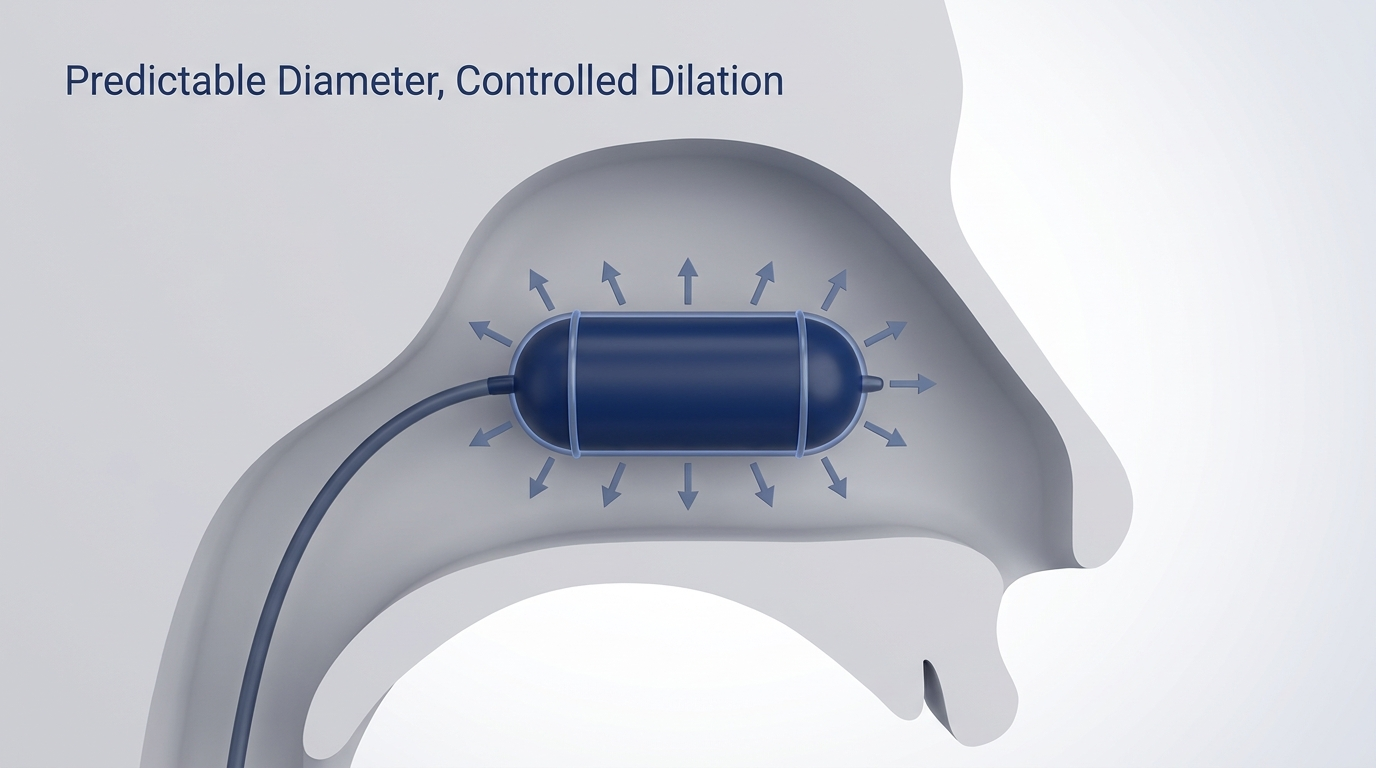
Minimally invasive techniques aim to improve nasal airflow while reducing unnecessary tissue disruption. Balloon-assisted endoscopic septoplasty uses endoscopic visualization and controlled, directional pressure to mobilize and reposition septal structures. For an overview, see what is balloon septoplasty? (https://www.clearpathnasal.com/blog/what-is-balloon-septoplasty-a-minimally-invasive-option-for-deviated-septum)
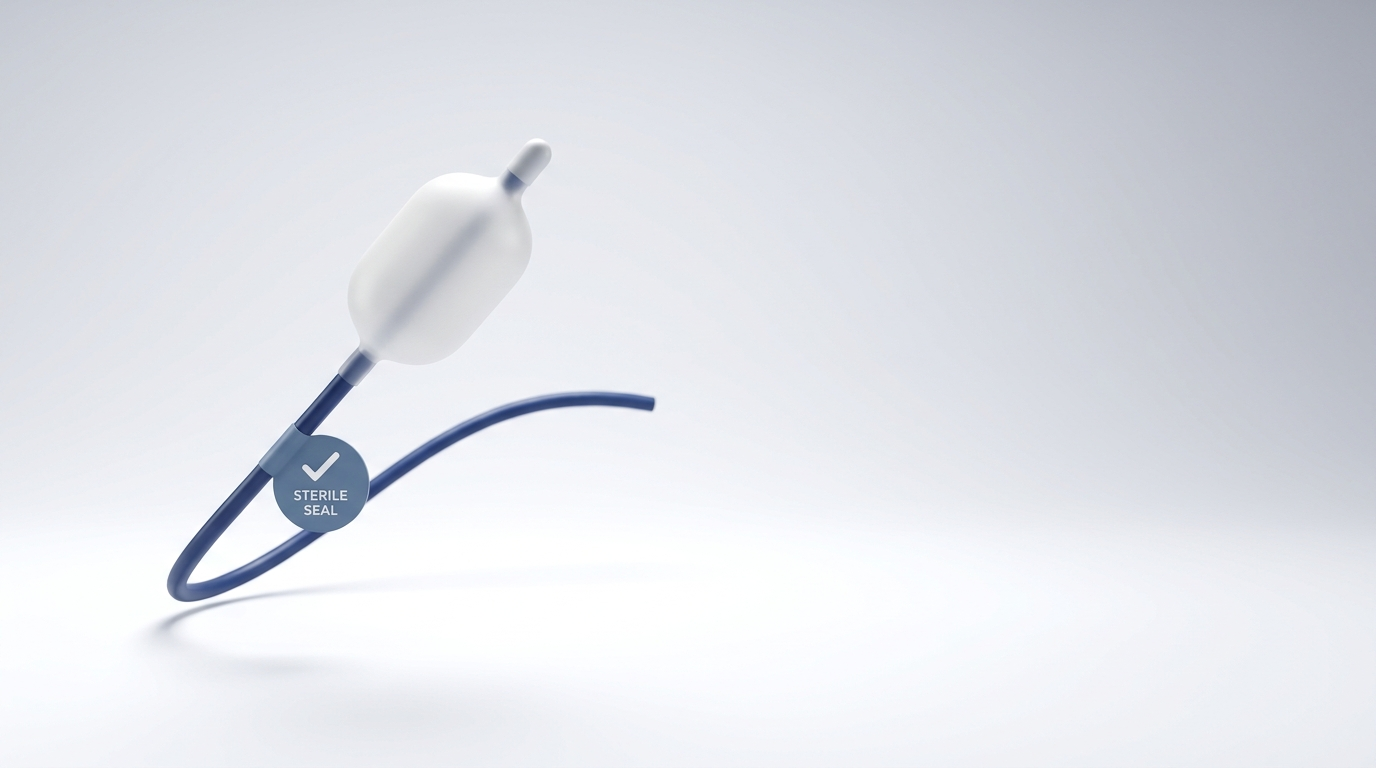
One example of a device used in this approach is the ClearPath Nasal Balloon. Availability and training vary, and these techniques aren’t yet standard of care everywhere. Long-term outcomes and head-to-head comparisons with traditional septoplasty are still being studied, so candidacy depends on your specific anatomy and your surgeon’s assessment.
Ask your surgeon whether a minimally invasive approach fits your anatomy and goals.
FAQs (Patient-Friendly Quick Answers)
Can a deviated septum happen without a broken nose?
Yes. Trauma doesn’t always cause an obvious fracture, but it can still shift cartilage or bone enough to create symptoms. (Mayo Clinic: https://www.mayoclinic.org/diseases-conditions/deviated-septum/symptoms-causes/syc-20351710)
Can you “straighten” a septum without surgery?
You can often improve symptoms by reducing swelling, but the structural deviation typically requires a procedure to correct. (Cleveland Clinic: https://my.clevelandclinic.org/health/diseases/16924-deviated-septum)
Should I worry if my symptoms started in my 30s/40s/50s?
Not necessarily—but it’s worth evaluating. Adult symptoms can be related to a deviated septum, allergies, polyps, or sinus disease, and an exam helps clarify the cause. (Johns Hopkins Medicine: https://www.hopkinsmedicine.org/health/conditions-and-diseases/deviated-septum)
Conclusion: Yes, You Can Develop a Deviated Septum Later in Life
To recap: yes, you can develop a deviated septum later in life—most often after injury—or a previously mild deviation can become symptomatic with age-related changes.
If you’ve noticed persistent one-sided blockage, sleep disruption, or frequent congestion, schedule an evaluation with your local ENT. If a structural issue is confirmed, ask about the full range of septoplasty options—including minimally invasive alternatives such as balloon-assisted endoscopic septoplasty—so you can make an informed decision based on your anatomy and goals.
Disclaimer:
This article is for educational purposes only and is not medical advice. Please consult a qualified healthcare provider for diagnosis and treatment.

Dr. David G. Dillard
Author
Share it with others!