How a Crooked Septum Affects Your Sleep Quality
When people say they have a “crooked septum,” they usually mean a deviated septum—the thin wall of cartilage and bone inside the nose that separates the left and right nostrils is shifted to one side. That shift can reduce airflow, especially when you lie down, and nighttime breathing matters because it directly affects how continuous and restorative your sleep is.
A deviated septum can disrupt sleep and may worsen symptoms of obstructive sleep apnea (OSA)—but it’s usually not the only cause of sleep apnea on its own. (Mayo Clinic, 2025; Cleveland Clinic, 2026; Resmed, 2026) In other words: yes, a crooked septum affects sleep quality for many people, but it’s often one piece of a bigger puzzle.

What Is a Crooked Septum (Deviated Septum)?
A simple anatomy explanation (in plain language)
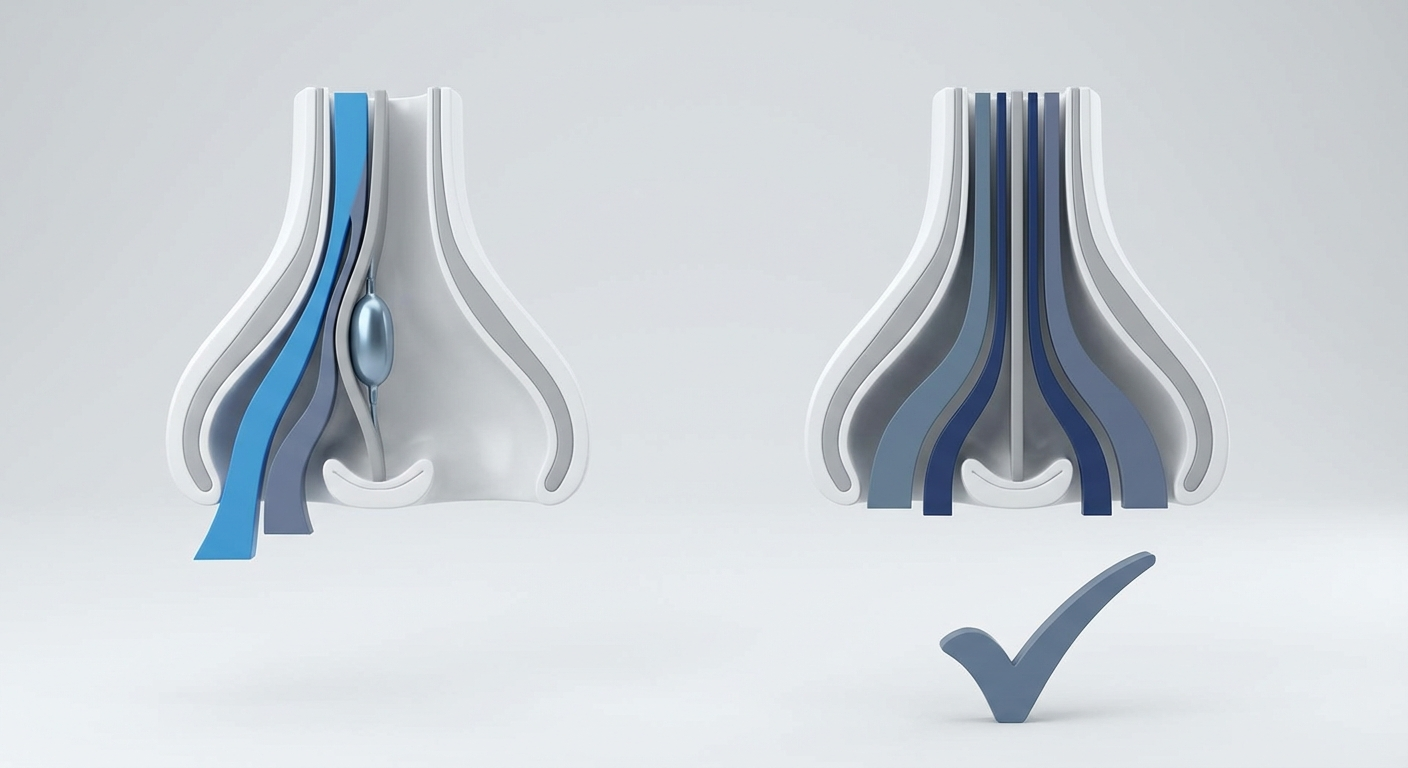
Your septum is the internal “divider wall” between your nostrils. In an ideal world, it sits roughly in the middle so air flows evenly through both sides. With a deviation, the septum leans left or right, making one nasal passage narrower—sometimes much narrower.
A helpful way to picture it: imagine two hallway doors that should open evenly. If the divider between them shifts, one doorway becomes tight—so traffic (air) “bottlenecks” on that side, especially when you’re trying to breathe quietly at night.
Common causes include natural differences in growth, prior injury (even old sports injuries), or changes after previous nasal surgery. (Mayo Clinic, 2025; Cleveland Clinic, 2026)
For a deeper primer, see our guide on deviated septum symptoms, causes, and treatment options: https://www.clearpathnasal.com/blog/deviated-septum-explained-symptoms-causes-and-modern-treatment-options
Common symptoms you may notice—especially at night
A deviated septum doesn’t always cause obvious daytime symptoms, but nighttime often exposes the problem. Common signs include:
- One-sided stuffiness that seems persistent
- “Congestion” that doesn’t match your allergy pattern
- Dry mouth or thirst in the morning
- Frequent waking or lighter, more restless sleep (Cleveland Clinic, 2026)
A common real-life example: you feel “fine” during the day, but once you lie down you suddenly can’t find a comfortable way to breathe through your nose—so you start sleeping with your mouth open without meaning to.
If you want a broader overview of how a deviated septum is evaluated and treated, you can also read: https://www.clearpathnasal.com/blog/deviated-septum-and-sleep-apnea-can-clearpath-improve-breathing-at-night
In short: a deviated septum narrows one side of your nose, and nights tend to reveal its impact.

Why Nasal Breathing Matters for Restorative Sleep
Your nose is designed for sleep breathing
Your nose is built to create smooth, steady airflow. When the nasal passages are open, breathing is typically quieter and more stable. But when there’s nasal obstruction at night, many people unconsciously switch to mouth breathing—and that’s where snoring and noisy breathing often begin. (ENT-DRS, 2026; Mayo Clinic, 2025)
One clinician-style way this is often explained is: the nose acts like a “flow regulator.” When it’s blocked, airflow becomes less controlled, and the rest of the airway has to compensate—sometimes loudly.
This is one reason a crooked septum affects sleep quality: blocked nasal airflow changes how you breathe, and that can change how well you sleep.
What “sleep quality” actually means
Sleep quality isn’t just “How many hours did I get?” It also includes:
- Sleep continuity: how often you wake up (even briefly)
- Depth of sleep: how much time you spend in deeper, more restorative stages
When breathing becomes noisy, effortful, or inconsistent, the brain may partially “pop awake” to protect breathing—sometimes so briefly you don’t remember it the next morning. The result can be the classic complaint: “I slept eight hours, but I feel like I didn’t sleep.”
Bottom line: clear nasal airflow supports steadier breathing—and steadier breathing supports deeper, more refreshing sleep.

How a Crooked Septum Can Disrupt Sleep Quality (Step-by-Step)
Nasal obstruction → mouth breathing
When a deviated septum limits airflow, your body still needs enough oxygen and ventilation—so it compensates. The most common compensation is mouth breathing, especially when you’re asleep and not consciously adjusting. (Cleveland Clinic, 2026; Mayo Clinic, 2025)
A simple example: you fall asleep breathing through your nose, then roll onto your side and the “narrow” nostril becomes even harder to use—so your body automatically opens the mouth to keep airflow moving.
Mouth breathing → snoring and noisy breathing that fragments sleep
Mouth breathing can increase vibration of soft tissues in the throat and mouth. That’s a big reason snoring and noisy breathing are more likely when the nose is blocked. Over time, snoring and noisy airflow can cause micro-arousals—brief disruptions that pull you out of deeper sleep. (ENT-DRS, 2026; Unity Health Network, 2026)
Even if you don’t fully wake up or remember waking, sleep can become lighter and less refreshing. People often describe this as “tossing and turning,” vivid dreams, or waking up feeling oddly alert—then crashing mid-afternoon.
Blockage discomfort can make falling asleep harder and cause more wake-ups
A deviated septum can also create a “can’t get enough air” sensation when you lie down. Some people notice:
- Pressure or “stuffy” discomfort
- Dryness and irritation (especially with mouth breathing)
- Waking up to reposition or to sip water (Cleveland Clinic, 2026)
This is another practical way a crooked septum affects sleep quality: the discomfort itself can delay falling asleep and disrupt staying asleep—especially for light sleepers.
You may start sleeping in certain positions to breathe better
Many people subconsciously adapt by sleeping in positions that help airflow—often side sleeping, sometimes with “the clearer side up,” or frequent position changes throughout the night. (ENT Lubbock, 2026; Unity Health Network, 2026)
If you’ve ever thought, “I can only breathe on this side,” that pattern is a useful clue to mention at an ENT visit.
Put simply: nasal blockage often triggers mouth breathing and snoring, which together can chip away at deep, continuous sleep.

Crooked Septum vs. Sleep Apnea — What’s the Real Relationship?
Can a deviated septum cause sleep apnea?
Usually, a deviated septum is not the primary cause of obstructive sleep apnea all by itself. OSA typically involves collapse or narrowing in the throat during sleep. However, septal deviation can be a meaningful contributing factor—especially if it significantly increases nasal resistance. (Resmed, 2026; Unity Health Network, 2026)
So if you’re wondering whether a crooked septum affects sleep quality and sleep apnea: it can, but the relationship is often indirect—more like “it adds strain to an already vulnerable system.”
Learn more here: deviated septum and sleep apnea: https://www.clearpathnasal.com/blog/deviated-septum-and-sleep-apnea-can-clearpath-improve-breathing-at-night
Evidence: association with higher OSA prevalence and worse symptoms
Some research suggests an association between deviated septum and increased prevalence of OSA in certain populations, with some studies reporting over fourfold higher odds; however, correlation does not prove causation. (PMC/NCBI, 2026)
That doesn’t mean everyone with a deviation has apnea. It means that if OSA is already on the table (snoring, witnessed pauses, daytime sleepiness), nasal blockage is an important factor to evaluate rather than ignore.
Why nasal blockage can make OSA feel worse
When nasal airflow is restricted, breathing can become more effortful. That increased resistance can contribute to stronger “suction” forces in the airway during inhalation, which may encourage collapse in more vulnerable areas downstream (like the throat). Even when apnea events are primarily driven by throat anatomy, nasal blockage can still worsen perceived sleep quality, snoring, and awakenings. (Resmed, 2026; PMC/NCBI, 2026)
This also helps explain a common patient comment: “My apnea treatment works, but I still feel like I’m fighting my breathing at night.”
Key idea: a deviated septum rarely causes OSA by itself, but it can meaningfully amplify symptoms and disrupt sleep.
Signs Your Crooked Septum Might Be Affecting Your Sleep
Nighttime symptoms checklist
Consider talking to a clinician if you notice:
- Chronic nighttime congestion (especially one-sided)
- Loud snoring or “whistling” / noisy breathing
- Dry mouth or sore throat in the morning
- Waking up unrefreshed or with morning headaches
- Restless sleep and frequent position changes (Cleveland Clinic, 2026; Mayo Clinic, 2025)
These are classic clues that a crooked septum affects sleep quality through airflow limitation and mouth breathing—especially when they’re persistent and don’t behave like seasonal allergies.
When to talk to a clinician urgently
Don’t ignore symptoms that may point to sleep apnea, including:
- Witnessed breathing pauses
- Choking or gasping during sleep
- High blood pressure
- Excessive daytime sleepiness—especially drowsy driving (Unity Health Network, 2026; Resmed, 2026)
If these patterns sound familiar, a focused ENT and sleep evaluation is the safest next step.
Diagnosis: How Clinicians Evaluate a Deviated Septum and Sleep Issues
Nasal exam basics
Evaluation usually starts with a symptom history and physical exam. Clinicians may also use a small camera (nasoendoscopy) or imaging in selected cases to understand where airflow is restricted. (Cleveland Clinic, 2026)
A practical tip: try to describe patterns (“always left-sided,” “worse when I lie down,” “worse after exercise,” “worse during colds”)—those details help separate structure from swelling/allergies.
Sleep evaluation when OSA is suspected
If symptoms suggest OSA, a sleep evaluation may be recommended (often a home-based or lab-based study). This matters because “just snoring” and “true sleep apnea” can feel similar, but they’re managed differently—and untreated OSA carries health risks. (Resmed, 2026; Unity Health Network, 2026)
Think of diagnosis as two parallel questions: what narrows the nose, and is there coexisting sleep apnea to address?
Treatment Options to Improve Sleep When a Crooked Septum Is the Culprit
At-home and non-surgical steps (symptom relief)
Non-surgical steps may reduce irritation and make breathing more comfortable:
- Saline rinses or sprays
- Managing allergies if they apply to you
- Bedroom humidification
- Sleep-position adjustments
These steps can help symptoms, but they won’t physically straighten the septum. (Mayo Clinic, 2025; Cleveland Clinic, 2026) Think of it as reducing “inflammation traffic” in a narrow lane—but not widening the lane itself.
Septoplasty—what it is and why it can improve sleep
Septoplasty is a procedure that corrects the structural deviation to improve nasal airflow. When nasal breathing improves, many people notice less mouth breathing, less snoring, and fewer sleep disruptions. (Cleveland Clinic, 2026; Mayo Clinic, 2025)
Explore more on septoplasty for better sleep and breathing quality: https://www.clearpathnasal.com/blog/septoplasty-for-better-sleep-and-breathing-quality
What research shows after septal correction
Studies generally show that after septal correction, patients often experience:
- Improved nasal airflow
- Reduced mouth breathing
- Reduced snoring/noisy breathing
- Better sleep-related quality of life (ENT-DRS, 2026; PMC/NCBI, 2026)
The key takeaway is realistic: surgery can improve the airflow “inputs,” which often improves downstream sleep symptoms—especially when nasal blockage is a major driver.
If you have sleep apnea: treating nasal blockage can support sleep apnea care
If you have OSA, addressing nasal obstruction may not eliminate apnea on its own—but it can reduce breathing effort, improve comfort at night, and support overall adherence to your sleep apnea treatment plan. (Resmed, 2026)
For many patients, comfort matters. If nasal breathing feels easier, it can be simpler to tolerate nighttime therapies and stick with them consistently.
Bottom line: combine symptom relief with structural correction when needed, and don’t skip an OSA evaluation if red flags are present.
Minimally Invasive Septoplasty Approaches (Patient-Friendly Overview)
Why newer techniques focus on less tissue disruption
Traditional septal surgery may involve more dissection and swelling. Newer approaches aim to reduce tissue disruption while still improving alignment and airflow.
If you’ve been hesitant because of recovery concerns, it’s reasonable to ask your ENT what options exist and what the trade-offs are for your specific anatomy and symptoms.
Learn more: what is balloon septoplasty? https://www.clearpathnasal.com/blog/what-is-balloon-septoplasty-a-minimally-invasive-option-for-deviated-septum
ClearPath Nasal Balloon approach (high-level, non-technical benefits)
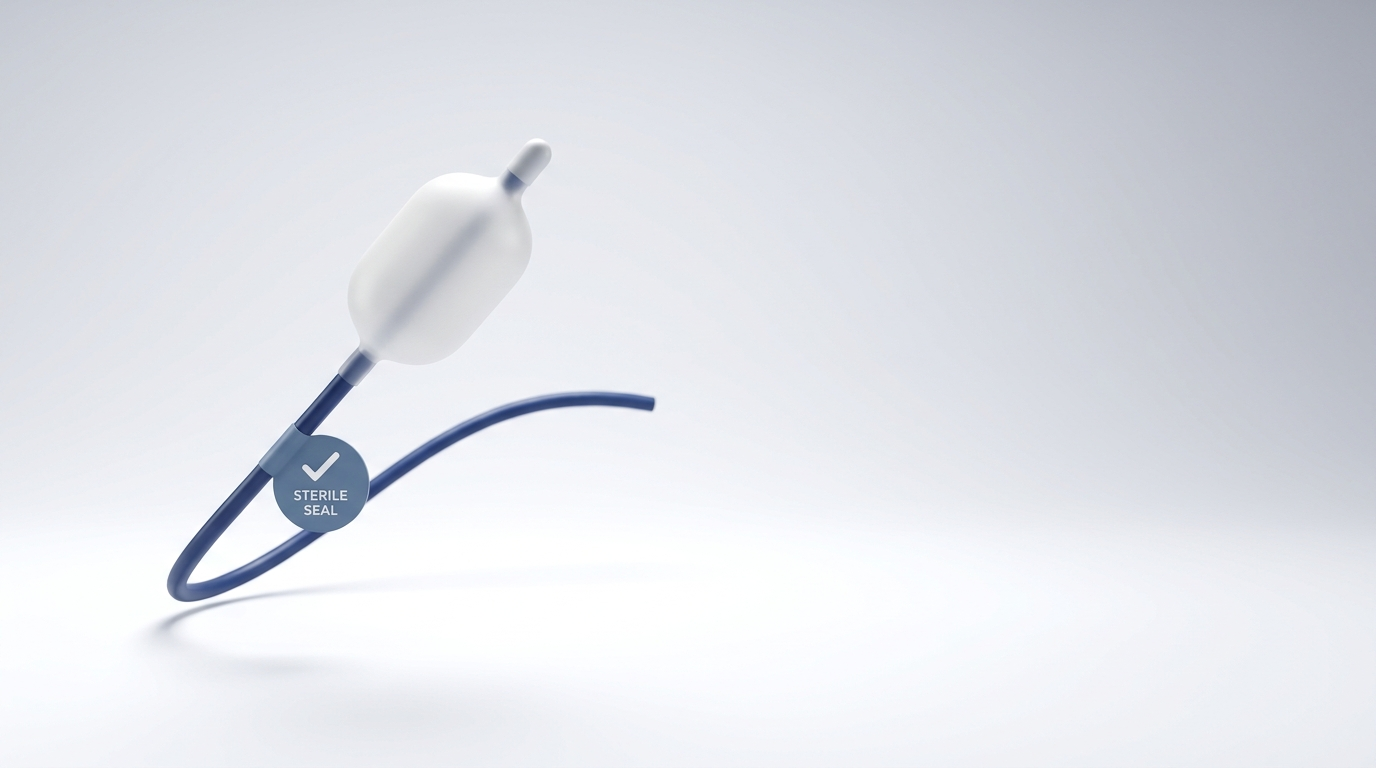
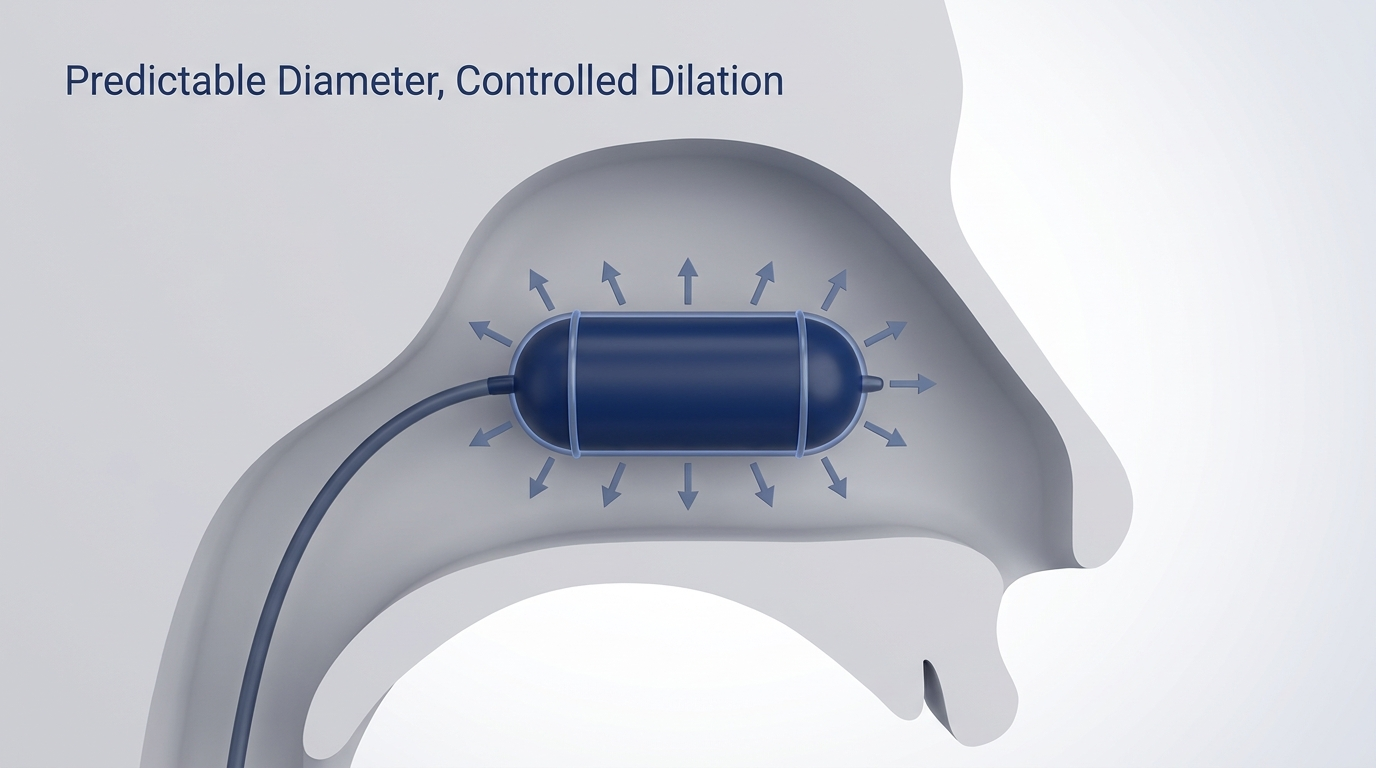
The ClearPath Nasal Balloon is a device used in a balloon-assisted septoplasty approach. Conceptually, it uses a force-directed balloon technique designed to help improve septal alignment while minimizing extensive tissue elevation.
Importantly, ClearPath is best framed as an alternative to more traditional approaches for appropriate patients—not a one-size-fits-all replacement. Your local ENT can help you understand whether you’re a candidate.
Early outcomes reported in the literature (include key numbers)
In a retrospective series of 107 consecutive cases, radiographic septal alignment improved, including an average ~45% mean improvement at the point of maximal deviation. Patients also reported reduced symptom burden on the SNOT-22 questionnaire, including sleep-related improvement, and no major complications were reported in that series. (Dillard et al., 2026)
Transparency note: while these early results are promising, more large, long-term prospective studies are still needed. (Dillard et al., 2026)
Ask your surgeon which technique best fits your anatomy, goals, and recovery priorities—there’s no single “right” approach for everyone.
What to Expect Next (A Simple Patient Roadmap)
Preparing for an ENT visit
Before your visit, track a few details for 1–2 weeks:
- How often you wake up at night
- Whether blockage is one-sided or alternating
- Snoring frequency and severity (if someone can tell you)
- Daytime sleepiness and morning headaches
Helpful questions to ask:
- “Is my obstruction mostly septum, turbinates, or allergies?”
- “Do my symptoms suggest I should be evaluated for sleep apnea?”
- “Am I a candidate for a less disruptive septoplasty approach, such as a balloon-assisted technique like ClearPath?”
If surgery is recommended
Goals are typically:
- Better airflow
- Less nasal obstruction at night
- Improved sleep continuity
Outcomes vary person to person, and it’s important to evaluate and treat co-existing OSA when present. (Cleveland Clinic, 2026; Resmed, 2026)
A thoughtful plan usually pairs accurate diagnosis with the least invasive option that reliably improves airflow and sleep.
FAQ
Can a deviated septum make you tired during the day?
Yes. If a crooked septum affects sleep quality by causing frequent micro-arousals, mouth breathing, or fragmented sleep, you may feel less rested and more fatigued during the day—even if you think you “slept all night.”
Why is my snoring worse when my nose is blocked?
When your nose is blocked, you’re more likely to switch to mouth breathing. Mouth breathing can increase vibration of soft tissues, making snoring and noisy breathing more likely—especially in deeper stages of sleep. (ENT-DRS, 2026)
Will septoplasty cure sleep apnea?
Usually not by itself. Septoplasty can improve nasal airflow and may reduce snoring and improve sleep-related symptoms, but OSA is often driven by multiple factors beyond the septum. (Resmed, 2026; Unity Health Network, 2026)
How do I know if it’s allergies or a deviated septum?
Allergies often fluctuate and may affect both sides more equally, often alongside itchy/watery symptoms. A deviated septum often causes a persistent, structural, one-sided pattern. A clinical exam can clarify what’s happening. (Mayo Clinic, 2025; Cleveland Clinic, 2026)
Conclusion + Call to Action
A deviated septum can directly disrupt sleep through a common chain reaction: nasal obstruction at night → mouth breathing → snoring/noisy breathing → sleep fragmentation. It can also significantly worsen sleep apnea symptoms and make sleep feel less restorative, even when apnea isn’t caused by the septum alone. (PMC/NCBI, 2026; Resmed, 2026)
If you suspect a crooked septum affects sleep quality for you—especially if you snore loudly, wake up unrefreshed, or struggle with nighttime breathing—book an evaluation with your local ENT and ask about the full range of options, from medical management to septoplasty. If a procedure is on the table, you can also ask whether a minimally disruptive, balloon-assisted approach (including ClearPath) is appropriate for your anatomy and goals.
If better sleep is the goal, improving nasal airflow is often an important part of the plan.
Sources
- Cleveland Clinic. Deviated Septum. (2026-02-06) https://my.clevelandclinic.org/health/diseases/16924-deviated-septum
- Mayo Clinic. Deviated septum: Symptoms & causes. (2025-04-15) https://www.mayoclinic.org/diseases-conditions/deviated-septum/symptoms-causes/syc-20351710
- PMC / NCBI. (2026-02-01) https://pmc.ncbi.nlm.nih.gov/articles/PMC8494085/
- Unity Health Network. Understanding Sleep Apnea and Deviated Septums. (2026-02-04) https://www.unityhealthnetwork.org/news/understanding-sleep-apnea-and-deviated-septums
- Resmed. Deviated septum and sleep apnea. (2026-01-27) https://www.resmed.com/en-us/sleep-health/blog/deviated-septum-and-sleep-apnea/
- ENT-DRS. How a Deviated Septum Can Impact Sleep Quality and Snoring. (2026) https://www.ent-drs.com/blog/1209051-how-a-deviated-septum-can-impact-sleep-quality-and-snoring/
- Dillard J, Koudouovoh C, Lee V, et al. Outcomes of force-directed balloon-assisted endoscopic septoplasty… Rhinology Online. 2026;9:18–23. doi:10.4193/RHINOL/25.018
Medical disclaimer
This article is for general education only and is not medical advice. Diagnosis and treatment decisions should be made with a licensed clinician, especially if you have symptoms of obstructive sleep apnea or significant daytime sleepiness.
This article is for educational purposes only and is not medical advice. Please consult a qualified healthcare provider for diagnosis and treatment.

Dr. David G. Dillard
Author
Share it with others!