7 Signs Your Nasal Septum Might Be Deviated
A deviated septum happens when the septum—the wall of cartilage and bone that divides your nostrils—is off-center, making one nasal passage smaller than the other. It’s extremely common: up to 80% of people have some degree of septal deviation, and many have no symptoms at all. Sources: Cleveland Clinic https://my.clevelandclinic.org/health/diseases/16924-deviated-septum; Johns Hopkins Medicine https://www.hopkinsmedicine.org/health/conditions-and-diseases/deviated-septum; University of Utah Health https://healthcare.utah.edu/healthfeed/2024/01/know-signs-and-symptoms-of-deviated-septum. For more background on prevalence: https://www.clearpathnasal.com/blog/how-common-is-a-deviated-septum
Why talk about it? Because when symptoms do show up, they can be subtle, come and go, or flare during colds and allergies—making them easy to dismiss or misattribute. Sources: Mayo Clinic https://www.mayoclinic.org/diseases-conditions/deviated-septum/symptoms-causes/syc-20351710; Johns Hopkins Medicine https://www.hopkinsmedicine.org/health/conditions-and-diseases/deviated-septum.
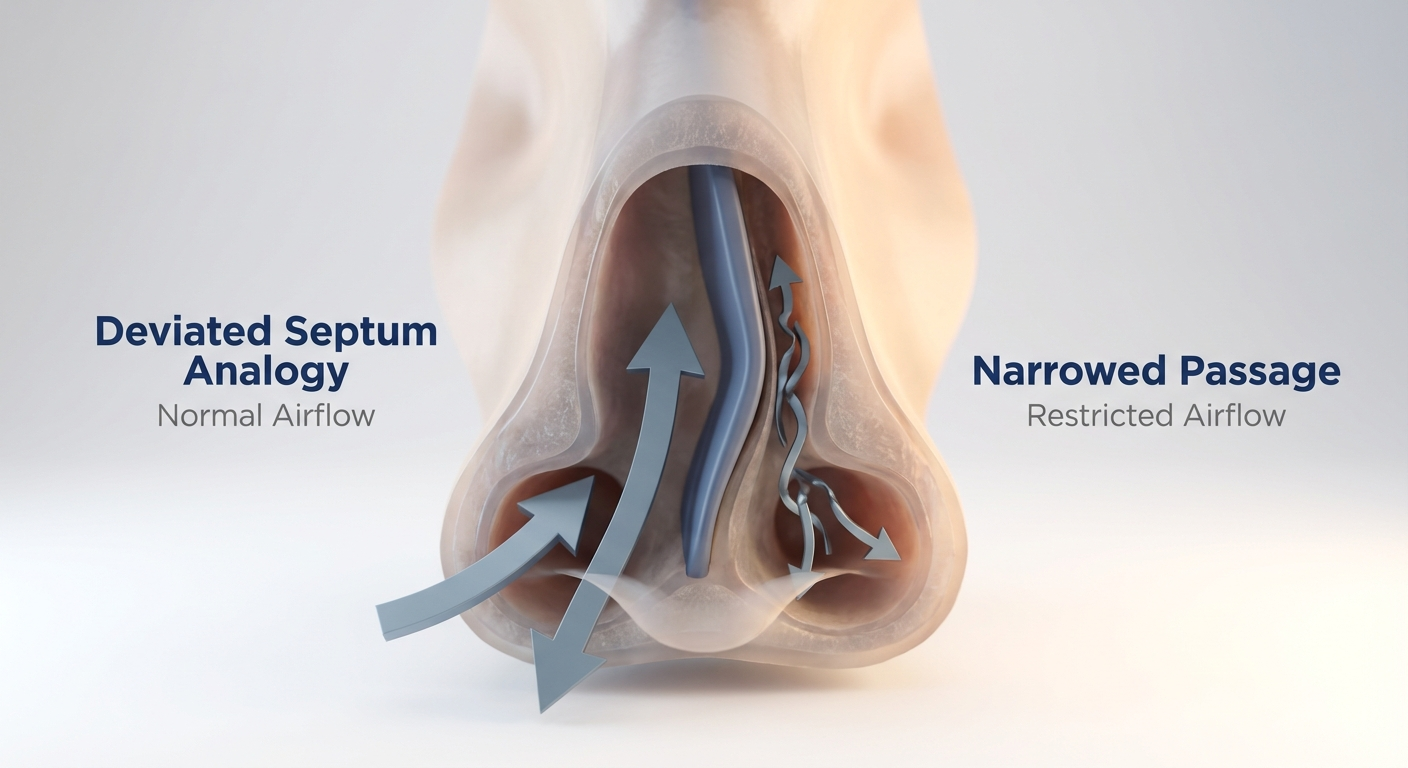
Helpful way to think about it: if your nasal passages are like two hallways, a tilted divider makes one hallway narrower. On a good day, you may barely notice. Add swelling (from allergies or a cold) and that already-narrow hallway can suddenly feel like a bottleneck.
Below are 7 common signs of a deviated septum, plus what to do next and what an ENT can evaluate. Related overview: https://www.clearpathnasal.com/blog/deviated-septum-explained-symptoms-causes-and-modern-treatment-options
Quick guide: 7 signs of a deviated septum (and when to see an ENT)
One-sided nasal breathing trouble — Feels like one nostril is often blocked, especially at night. See an ENT if it’s persistent, affects exercise/sleep, or keeps returning.
Ongoing stuffiness not like allergies — Feels mechanical, not seasonal/itchy. See an ENT if sprays only help briefly or symptoms don’t match your allergy pattern.
Frequent nosebleeds — Often in dry air; may be more on one side. See an ENT if recurring, hard to stop, or worsening.
Snoring/noisy breathing at night — Mouth breathing, louder snoring. See an ENT if sleep is disrupted or apnea signs occur.
Recurring sinus infections — Pressure, drainage, symptoms that linger/return. See an ENT if infections repeat or chronic symptoms persist.
Facial pressure/headaches — Pressure around nose/sinuses, often with congestion. See an ENT if paired with obstruction or sinus symptoms.
Crooked-looking nose/uneven nostrils — Visible asymmetry plus uneven airflow. See an ENT if cosmetic changes accompany breathing issues or there’s a trauma history.

Sign #1: Trouble Breathing Through Your Nose (Often Worse on One Side)
Day-to-day: A classic pattern is feeling like one nostril is always the “bad side.” You may notice it most when trying to sleep, during exercise, or anytime you need steady airflow. Many people lie down and realize they can only comfortably breathe through one side or switch to mouth breathing during a brisk walk.
Why it may fluctuate: Even a small structural narrowing can feel worse when your nasal lining is swollen from a cold or allergies. Sources: Mayo Clinic https://www.mayoclinic.org/diseases-conditions/deviated-septum/symptoms-causes/syc-20351710; Johns Hopkins Medicine https://www.hopkinsmedicine.org/health/conditions-and-diseases/deviated-septum.
Quick self-check (not a diagnosis): Alternating airflow from side to side can be normal (the nasal cycle). Consistent, months-long one-sided obstruction is a common clue and worth an ENT exam.

Sign #2: Persistent Nasal Congestion That Doesn’t Match Your Allergy Pattern
Congestion vs structural blockage: Allergies often have a recognizable pattern—seasonality, itchiness, sneezing, watery drainage. A septal deviation may feel more fixed, like air just can’t get through regardless of the season. Source: Cleveland Clinic https://my.clevelandclinic.org/health/diseases/16924-deviated-septum. More help: https://www.clearpathnasal.com/blog/deviated-septum-vs-allergies-how-to-tell-the-difference
When sprays help…but only temporarily: Decongestants and steroid sprays reduce inflammation but don’t straighten cartilage or bone. If congestion improves briefly then returns, structure may be part of the problem. Source: University of Utah Health https://healthcare.utah.edu/healthfeed/2024/01/know-signs-and-symptoms-of-deviated-septum.

Sign #3: Frequent Nosebleeds (Especially in Dry Air)
Dryness and irritation: A deviation can create turbulent airflow that dries and irritates the nasal lining, making bleeding more likely—especially in winter heat, dry climates, or with frequent nose blowing. Sources: Mayo Clinic https://www.mayoclinic.org/diseases-conditions/deviated-septum/symptoms-causes/syc-20351710; Cleveland Clinic https://my.clevelandclinic.org/health/diseases/16924-deviated-septum.
What to track: How often bleeds happen, whether they’re mostly from one side, and common triggers (dry air, vigorous blowing, nighttime airflow).
When urgent: Seek prompt care if bleeding is heavy, you feel faint/dizzy, or it won’t stop with standard first aid. Recurrent same-side bleeds are worth sharing with your clinician.
Sign #4: Snoring or Noisy Breathing at Night
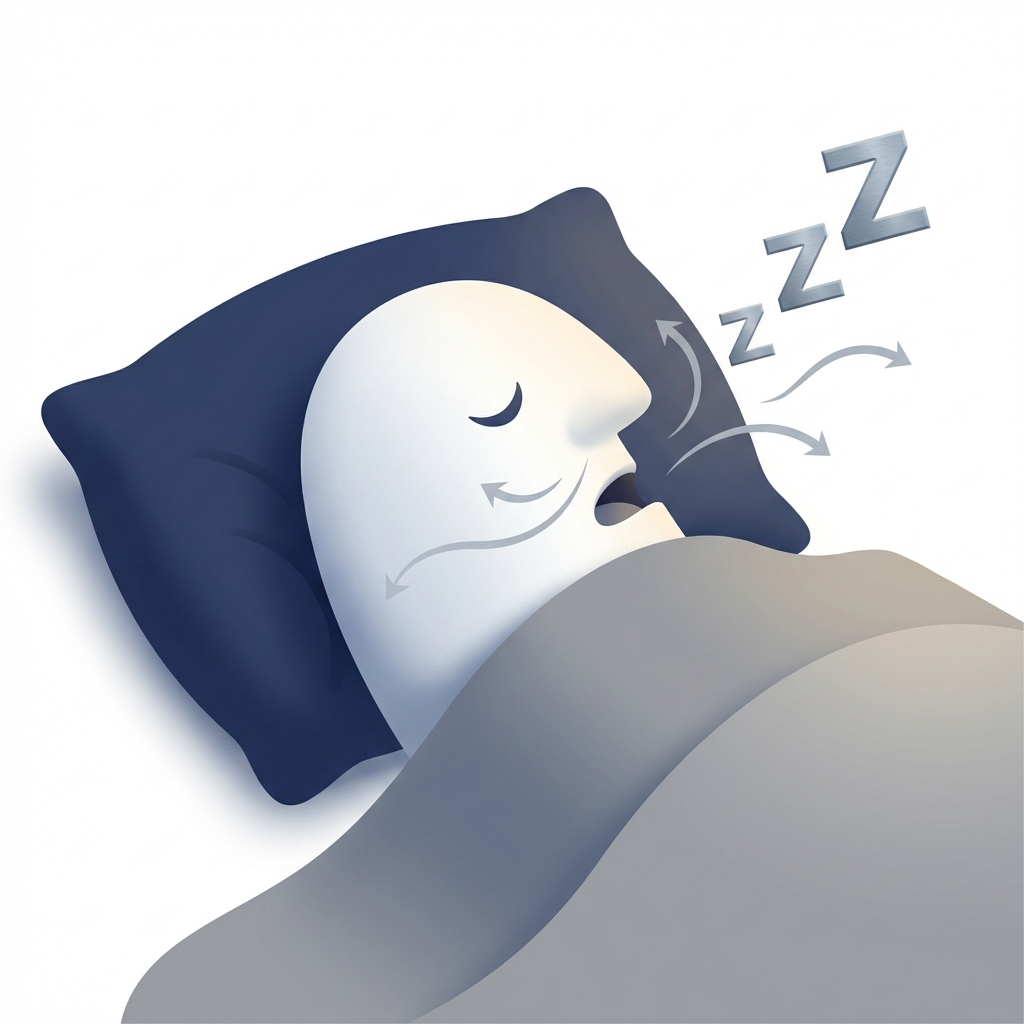
How blockage contributes: When the nose doesn’t move air easily, you may switch to mouth breathing during sleep, increasing throat vibration and snoring risk. Sources: Johns Hopkins Medicine https://www.hopkinsmedicine.org/health/conditions-and-diseases/deviated-septum; Cleveland Clinic https://my.clevelandclinic.org/health/diseases/16924-deviated-septum. More: https://www.clearpathnasal.com/blog/deviated-septum-and-snoring-why-a-balloon-procedure-may-help
Important context: Snoring has many causes—nasal obstruction is just one. Red flags for sleep apnea include gasping, witnessed pauses in breathing, and severe daytime sleepiness. Loud, disruptive snoring or apnea signs warrant a sleep evaluation.
Sign #5: Recurring Sinus Infections or Chronic Sinus Symptoms
Why risk can rise: Narrowed pathways can impair airflow and drainage, setting the stage for pressure, congestion, and recurring infections. Sources: Cleveland Clinic https://my.clevelandclinic.org/health/diseases/16924-deviated-septum; Mayo Clinic https://www.mayoclinic.org/diseases-conditions/deviated-septum/symptoms-causes/syc-20351710. More: https://www.clearpathnasal.com/blog/how-a-deviated-septum-affects-sinus-infections
Suggestive patterns: Facial pressure that keeps returning; thick drainage and blocked breathing that linger; symptoms that flare the same way repeatedly.
What an ENT may look for: Septal deviation can coexist with turbinate enlargement, inflammation, or sinus drainage pathway issues. If “sinus colds” keep coming back the same way, structure may be part of the picture.
Sign #6: Facial Pain, Pressure, or Headaches (Especially Around the Nose/Sinuses)
Possible mechanisms: Some people experience facial pressure or headaches related to congestion, sinus involvement, pressure changes, or internal “contact points.” Sources: Mayo Clinic https://www.mayoclinic.org/diseases-conditions/deviated-septum/symptoms-causes/syc-20351710; Cleveland Clinic https://my.clevelandclinic.org/health/diseases/16924-deviated-septum.
Important nuance: Headaches have many causes. This sign matters most when it appears alongside other deviated septum symptoms, such as long-term blockage or recurring sinus complaints. Share patterns with your clinician.

Sign #7: A Crooked-Looking Nose or Uneven Nostrils (Visible Asymmetry)
What you might notice: The nose appears off-center, one nostril looks smaller, or airflow feels uneven. Sources: Mayo Clinic https://www.mayoclinic.org/diseases-conditions/deviated-septum/symptoms-causes/syc-20351710; Indianapolis Sinus Center https://indianapolissinuscenter.com/5-signs-you-could-have-a-deviated-septum/.
Common causes: A deviation can be present from birth or develop after injury. Even if the nose looks straight outside, the septum can still be shifted internally—visible asymmetry is just one clue.
How a Deviated Septum Is Diagnosed
What an ENT exam includes: Diagnosis usually starts with symptom history and a focused nasal exam. An ENT may use nasal endoscopy to see deeper into the nasal cavity. It helps to bring specifics: which side feels worse, whether symptoms wake you up, what you’ve tried (saline, sprays, allergy meds), and your triggers. Sources: Johns Hopkins Medicine https://www.hopkinsmedicine.org/health/conditions-and-diseases/deviated-septum; Cleveland Clinic https://my.clevelandclinic.org/health/diseases/16924-deviated-septum.
When imaging is used: A CT scan isn’t always necessary for a deviated septum alone, but may be considered when sinus disease is suspected or for surgical planning. A targeted clinic exam is often enough to confirm a deviation.
Deviated Septum Symptoms and Treatment Options: From Relief to Septoplasty
Non-surgical options (symptom management)
Medical therapy can reduce swelling and irritation to improve breathing: saline rinses, allergy management, nasal steroid sprays. These can help a lot—but they don’t correct the underlying structure. Sources: Mayo Clinic https://www.mayoclinic.org/diseases-conditions/deviated-septum/symptoms-causes/syc-20351710; Cleveland Clinic https://my.clevelandclinic.org/health/diseases/16924-deviated-septum.
When surgery is considered
An ENT may discuss septoplasty if you have persistent obstruction, recurring infections, sleep disruption, frequent nosebleeds, or symptoms that don’t improve after appropriate medical therapy. Sources: Cleveland Clinic https://my.clevelandclinic.org/health/diseases/16924-deviated-septum; Mayo Clinic https://www.mayoclinic.org/diseases-conditions/deviated-septum/symptoms-causes/syc-20351710.
A Note on Minimally Invasive Septoplasty Advances (Including Balloon Septoplasty)
Why minimally invasive approaches are explored: Because deviation is common and septoplasty is widely performed, techniques that may reduce tissue disruption and support recovery continue to evolve.
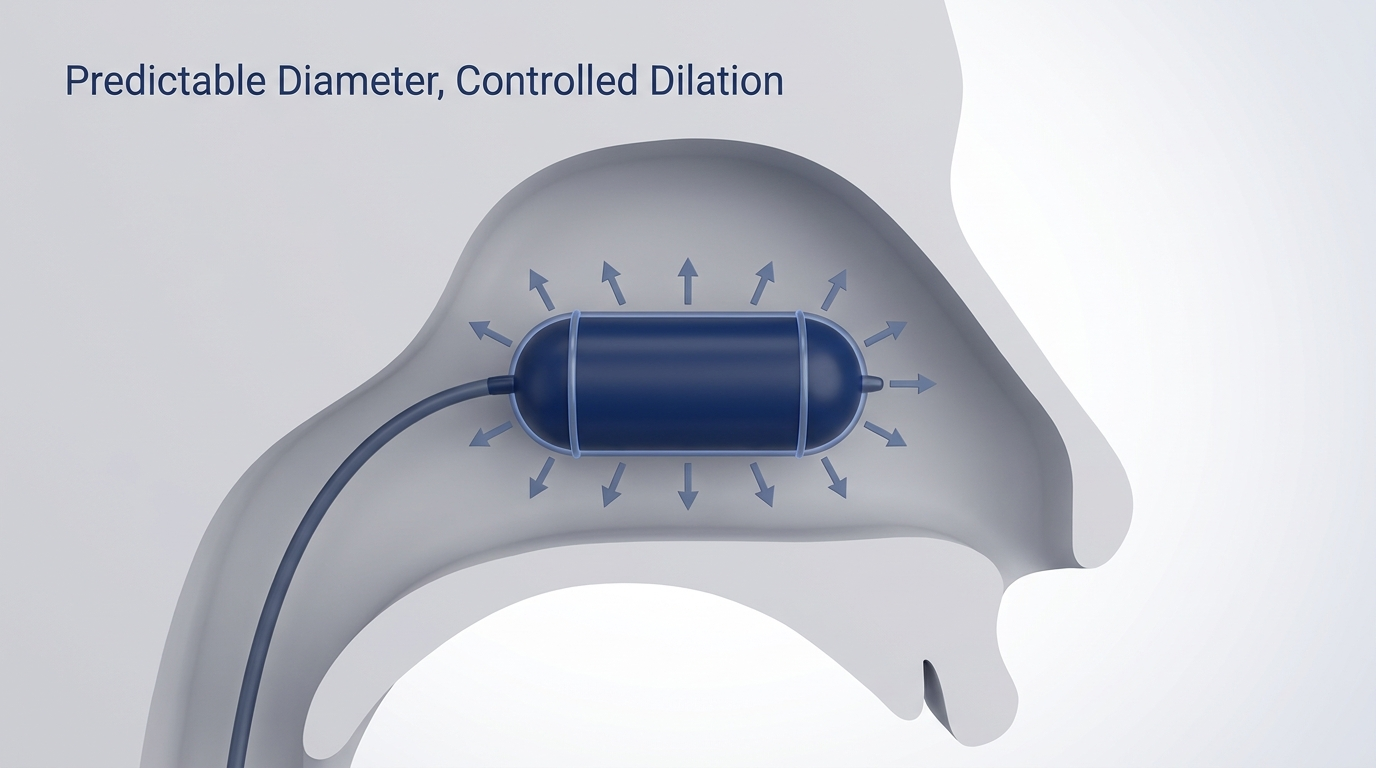
Balloon-assisted approaches: Balloon septoplasty uses a specialized balloon to apply controlled force to reshape parts of the septum in selected patients. Early reports suggest it may help some individuals, but the evidence base is still developing and not all anatomies are appropriate. Learn more: https://www.clearpathnasal.com/blog/what-is-balloon-septoplasty-a-minimally-invasive-option-for-deviated-septum
Ask your ENT whether a minimally invasive option fits your anatomy and how it compares to traditional septoplasty.
When to See a Doctor (and What to Ask)
Make an appointment if you have ongoing one-sided blockage, frequent sinus infections, recurrent nosebleeds, loud snoring/noisy breathing, or sleep disruption. Sources: Cleveland Clinic https://my.clevelandclinic.org/health/diseases/16924-deviated-septum; Johns Hopkins Medicine https://www.hopkinsmedicine.org/health/conditions-and-diseases/deviated-septum.
Questions to ask your ENT: Is my blockage structural, inflammation-related, or both? Would I benefit from septoplasty, turbinate reduction, or both? What minimally invasive options (including balloon septoplasty with devices like ClearPath) might fit my anatomy, and how do they compare to traditional septoplasty? What other available treatment options are appropriate for my condition?
Next steps
If these signs sound familiar, schedule a visit with your local ENT and ask whether you’re a candidate for traditional septoplasty, a minimally invasive alternative like ClearPath, or other appropriate options. The right plan is individualized—your anatomy, symptoms, and goals should guide next steps.
FAQ
Can a deviated septum get worse over time?
It can feel worse if swelling, allergies, chronic inflammation, or additional injury further narrow your passages. Aging and tissue changes can also affect airflow. Source: Cleveland Clinic https://my.clevelandclinic.org/health/diseases/16924-deviated-septum.
Can a deviated septum cause snoring?
Yes. Reduced nasal airflow can promote mouth breathing during sleep and contribute to snoring in some people, though snoring has many causes. Sources: University of Utah Health https://healthcare.utah.edu/healthfeed/2024/01/know-signs-and-symptoms-of-deviated-septum; Johns Hopkins Medicine https://www.hopkinsmedicine.org/health/conditions-and-diseases/deviated-septum.
Can you have a deviated septum and not know it?
Absolutely. Since up to 80% of people have some deviation and many don’t have symptoms, it’s common to be unaware unless breathing problems develop. Sources: Cleveland Clinic https://my.clevelandclinic.org/health/diseases/16924-deviated-septum; Johns Hopkins Medicine https://www.hopkinsmedicine.org/health/conditions-and-diseases/deviated-septum.
Do I need surgery to breathe better?
Not always. Many people improve with medical management (saline, allergy control, nasal steroid sprays). Surgery is usually considered when symptoms are persistent, disruptive, or linked to complications like repeated infections or significant sleep issues—and typically after appropriate medical therapy has been tried. Sources: Mayo Clinic https://www.mayoclinic.org/diseases-conditions/deviated-septum/symptoms-causes/syc-20351710; Cleveland Clinic https://my.clevelandclinic.org/health/diseases/16924-deviated-septum.
If I snore or suspect sleep apnea, will septoplasty fix it?
Not necessarily. Septoplasty can improve nasal airflow and may reduce snoring for some, but obstructive sleep apnea has many potential causes. A sleep study is the best way to diagnose apnea and guide treatment. Better nasal airflow can help, but it’s not a guaranteed solution for sleep apnea.
Medical note
This article is for education and doesn’t replace individualized medical care. If your breathing feels suddenly worse, you have severe facial swelling, heavy or unstoppable nosebleeds, or symptoms of sleep apnea, seek prompt evaluation.
This article is for educational purposes only and is not medical advice. Please consult a qualified healthcare provider for diagnosis and treatment.

Dr. David G. Dillard
Author
Share it with others!